Navigating The Phoenix Housing Market

Welcome to the official blog of Dominion Group Properties—your trusted resource for real estate news, market analysis, and expert guidance across Phoenix, Scottsdale, North Phoenix, Cave Creek, Carefree, and Anthem. Whether you're a home buyer, seller, investor, or planning a relocation within the Valley, our blog delivers timely content to keep you informed.

What We Cover

  • Local Market Trends & Housing Reports: Stay updated with monthly insights on inventory, pricing, and market shifts in Phoenix and the North Valley.
  • Home Buying & Selling Strategies: From financing manufactured homes to pricing historic properties, our articles cover every step of the process.
  • Community & Development News: Learn about upcoming neighborhoods like Desert Hills, emerging job centers, and how primed areas are shaping investment opportunities.
  • Property Management & Landlord Tips: Make informed decisions whether you're leasing, investing, or managing a residential property in Arizona.

Why Our Blog Stands Out

  • Content anchored in real-world market data and local expertise across Phoenix Metro and surrounding regions.
  • Written and curated by Jonathan Baer—broker, licensed loan officer, and real estate advisor with over 30 years’ experience and $240 million in closed transactions in Maricopa County.
  • Blog topics tailored for actionable insights, whether flipping a home in Cave Creek, planning a move to Anthem, or financing a manufactured home in Phoenix.

Bookmark this page and check back regularly for fresh updates, expert commentary, and smart strategies for navigating Arizona’s dynamic real estate market.

About the Author:
Jonathan Baer, Designated Broker and Real Estate Wealth Advisor at Dominion Group Properties, has completed over 1,000 transactions worth more than $240 million across Arizona.


Learn More About Jonathan Baer

May 4, 2024

How to Sell Phoenix Homes Quickly in a Slow Market


Introduction: The real estate market can be unpredictable, with fluctuations that can either favor sellers or buyers. In a slow market, where inventory is high and demand is low, selling a home can be particularly challenging. However, with the right strategies and approach, it's possible to sell Phoenix homes quickly even in such circumstances. In this comprehensive guide, we'll delve into the tried-and-tested methods that can help you navigate a slow market and secure a swift sale for your Phoenix property.

Understanding the Phoenix Real Estate Market: Before diving into the strategies, it's crucial to gain a comprehensive understanding of the Phoenix real estate market. Phoenix, known for its warm climate and vibrant culture, attracts a steady stream of homebuyers year-round. However, like any other market, it experiences fluctuations influenced by various factors such as economic conditions, interest rates, and seasonal trends.

In a slow market, inventory tends to outweigh demand, leading to longer days on market (DOM) and increased competition among sellers. Despite these challenges, there are several strategies sellers can employ to stand out and attract buyers.

  1. Set the Right Price: One of the most critical factors in selling a home quickly in a slow market is pricing it correctly. Overpricing can deter potential buyers and prolong the selling process. Conduct thorough research on comparable properties in your neighborhood and consult with a real estate agent to determine the optimal listing price. Websites like Zillow and Redfin provide valuable data on recent sales and market trends to assist in pricing decisions.

  2. Enhance Curb Appeal: First impressions matter, especially in real estate. Boosting curb appeal can significantly increase the attractiveness of your Phoenix home and entice potential buyers. Simple upgrades such as landscaping, painting the front door, and adding outdoor lighting can make a significant difference. Showcase the unique features of your property, such as desert landscaping or a pool, to captivate buyers from the moment they arrive.

  3. Stage for Success: Staging your home is another effective strategy for selling quickly in a slow market. Create an inviting atmosphere that allows buyers to envision themselves living in the space. Declutter rooms, depersonalize décor, and arrange furniture to highlight the flow and functionality of each area. Professional staging services can offer expert advice on maximizing the appeal of your home to potential buyers.

  4. Leverage Digital Marketing: In today's digital age, the majority of homebuyers begin their search online. Utilize high-quality photography, virtual tours, and compelling property descriptions to showcase your Phoenix home across various online platforms. Social media platforms like Facebook and Instagram can also be valuable tools for reaching a broader audience. Partner with a real estate agent who specializes in digital marketing to ensure maximum exposure for your listing.

  5. Highlight Unique Selling Points: Identify and emphasize the unique selling points of your Phoenix home to set it apart from the competition. Whether it's stunning mountain views, a gourmet kitchen, or energy-efficient features, highlighting these aspects can capture the attention of prospective buyers. Create engaging marketing materials that showcase these features and illustrate the lifestyle benefits of living in your home.

  6. Be Flexible with Showings: Flexibility is key when it comes to scheduling showings in a slow market. Accommodate potential buyers' schedules by allowing for flexible viewing times, including evenings and weekends. Consider hosting open houses to attract a larger pool of buyers and generate buzz around your property. Make sure your home is always ready for showings by keeping it clean, organized, and welcoming at all times.

  7. Consider Incentives: In a competitive market, offering incentives can incentivize buyers to choose your Phoenix home over others. Consider options such as covering closing costs, providing a home warranty, or including furniture or appliances in the sale. These incentives can sweeten the deal for buyers and help expedite the selling process.

  8. Work with a Knowledgeable Real Estate Agent: Partnering with a seasoned real estate agent who understands the intricacies of the Phoenix market can significantly streamline the selling process. Choose an agent with a proven track record of success in selling homes in your area and expertise in navigating slow markets. Their industry knowledge, negotiation skills, and marketing prowess can be invaluable assets in securing a quick sale for your Phoenix home.

Conclusion: Selling a home quickly in a slow market requires a combination of strategic planning, effective marketing, and flexibility. By implementing the strategies outlined in this guide and leveraging the expertise of a skilled real estate professional, you can increase your chances of selling your Phoenix home swiftly and maximizing its value. Despite the challenges posed by a slow market, with the right approach, success is within reach.

Sources:

  1. Zillow
  2. Redfin
  3. National Association of Realtors
  4. Realtor.com
May 4, 2024

Navigating the Real Estate Landscape in Phoenix: Common Challenges When Selling


Selling a house can be a daunting task, no matter where you are. However, in a bustling real estate market like Phoenix, Arizona, there are unique challenges that sellers often face. From market fluctuations to legal considerations, selling a house in Phoenix requires careful planning and execution. In this blog post, we'll explore some of the most common challenges encountered by homeowners when selling their properties in the Valley of the Sun.

1. Pricing Strategy

One of the most critical aspects of selling a house in Phoenix is determining the right listing price. Setting the price too high can deter potential buyers, while pricing it too low could result in lost revenue. In a dynamic market like Phoenix, where property values can vary greatly from one neighborhood to another, finding the sweet spot requires careful consideration of various factors such as recent comparable sales, market trends, and the property's condition.

According to data from the Arizona Regional Multiple Listing Service (ARMLS), the median home price in Phoenix has been steadily increasing over the past few years, reaching new highs. However, accurately gauging the market value of a specific property remains a challenge for many sellers. Working with a knowledgeable real estate agent who understands the local market can be instrumental in devising an effective pricing strategy.

2. Staging and Presentation

In a competitive real estate market like Phoenix, presentation is key. Properly staging a home can significantly impact its perceived value and attractiveness to potential buyers. However, staging a house for sale involves more than just decluttering and rearranging furniture. It requires careful attention to detail, from enhancing curb appeal to highlighting the property's best features.

Many sellers struggle with staging their homes effectively, often due to a lack of experience or resources. Hiring a professional stager or working with a real estate agent who offers staging services can help alleviate this challenge and maximize the property's appeal.

3. Market Dynamics

The Phoenix real estate market is known for its volatility, with fluctuating demand and supply levels influencing property prices and sales activity. Sellers must stay informed about current market trends and conditions to make informed decisions. Factors such as seasonality, economic indicators, and housing inventory levels can all impact the selling process.

For instance, the summer months in Phoenix typically see an increase in home sales, driven by factors such as favorable weather and the influx of out-of-state buyers. Conversely, the market may slow down during the sweltering heat of the summer, as potential buyers opt to wait until cooler temperatures prevail.

4. Legal and Regulatory Compliance

Navigating the legal and regulatory requirements involved in selling a house can be challenging, especially for first-time sellers or those unfamiliar with local laws. From property disclosures to contractual obligations, there are various legal considerations that must be addressed to ensure a smooth and legally compliant transaction.

In Arizona, sellers are required to disclose certain information about the property's condition, including any known defects or issues that could affect its value. Failure to disclose such information can lead to legal repercussions down the line. Additionally, sellers must adhere to state and local regulations governing the sale of real estate, such as fair housing laws and zoning ordinances.

5. Marketing and Promotion

Effectively marketing a property is crucial for attracting potential buyers and maximizing exposure. In a competitive market like Phoenix, where new listings are constantly being added, standing out from the crowd requires a comprehensive marketing strategy. This may include professional photography, virtual tours, social media promotion, and targeted advertising campaigns.

Many sellers struggle with marketing their homes effectively, either due to a lack of marketing knowledge or limited resources. Partnering with a real estate agent who has a robust marketing plan can help ensure that the property receives the visibility it deserves and attracts qualified buyers.

Conclusion

Selling a house in Phoenix presents unique challenges, from pricing strategy to legal compliance. However, with careful planning, market knowledge, and the assistance of a qualified real estate professional, sellers can navigate these challenges successfully and achieve their desired outcomes. By understanding the dynamics of the local real estate market and leveraging effective marketing strategies, homeowners can maximize their chances of selling their properties quickly and profitably in the Valley of the Sun.


Sources:

  1. Arizona Regional Multiple Listing Service (ARMLS)
  2. National Association of Realtors (NAR)
  3. Arizona Department of Real Estate
  4. Phoenix Association of Realtors
May 4, 2024

Navigating the Phoenix Housing Market: A Comprehensive Forecast for Sellers


Introduction: The Phoenix housing market has been a hot topic for both buyers and sellers in recent years. With its sunny climate, booming economy, and attractive lifestyle, Phoenix has become a magnet for individuals and families seeking to settle down. However, navigating the housing market in this vibrant city can be challenging, especially for sellers trying to gauge the optimal time to list their properties. In this comprehensive guide, we'll delve into the current state of the Phoenix housing market and provide valuable insights and forecasts to help sellers make informed decisions.

Understanding the Current Market Dynamics: Before delving into forecasts, it's essential to grasp the current dynamics of the Phoenix housing market. In recent years, Phoenix has experienced a surge in demand driven by factors such as population growth, job opportunities, and low interest rates. This heightened demand, coupled with limited housing inventory, has created a highly competitive market characterized by bidding wars and rapidly rising home prices.

According to recent data, the median home price in Phoenix has seen significant appreciation, outpacing national averages. Low inventory levels have led to fierce competition among buyers, resulting in properties frequently selling above asking price. Additionally, the influx of remote workers seeking more space and favorable living conditions has further fueled demand in Phoenix and surrounding areas.

Factors Influencing the Phoenix Housing Market Forecast: Several factors influence the trajectory of the Phoenix housing market, and understanding these variables is crucial for sellers looking to capitalize on market conditions. Here are some key factors shaping the market forecast:

  1. Population Growth: Phoenix continues to experience robust population growth, driven by both domestic migration and international immigration. The influx of new residents contributes to increased housing demand and competition among buyers. (Source: Phoenix Business Journal)

  2. Economic Indicators: The strength of the local economy plays a significant role in shaping the housing market. Phoenix boasts a diverse economy with thriving sectors such as technology, healthcare, and finance. Favorable economic conditions, including job growth and income levels, support housing demand and price appreciation. (Source: Greater Phoenix Economic Council)

  3. Housing Inventory: Inventory levels remain a critical determinant of market dynamics. Low inventory puts upward pressure on prices and can lead to a seller's market, where sellers have the upper hand in negotiations. Conversely, an increase in inventory may shift the market toward balance or favor buyers. (Source: Arizona Regional Multiple Listing Service)

  4. Interest Rates: Mortgage interest rates influence home affordability and buyer demand. Low interest rates make homeownership more accessible and can stimulate housing demand, whereas higher rates may dampen demand and slow price growth. (Source: Federal Reserve Economic Data)

  5. Supply Chain Disruptions: Disruptions in the construction and supply chain can impact new home construction and exacerbate inventory shortages. Factors such as labor shortages, material costs, and regulatory hurdles can affect the pace of new housing development. (Source: Arizona Builder's Exchange)

Forecast for Sellers: Given the current market dynamics and key influencing factors, what can sellers expect in the coming months? Here's a forecast outlining potential scenarios and strategies for sellers:

  1. Continued Price Appreciation: The trend of price appreciation is likely to persist in the near term, albeit at a more moderate pace. Sellers can expect their properties to appreciate in value, especially in desirable neighborhoods with limited inventory.

  2. Competitive Market Conditions: The market is expected to remain highly competitive, with multiple offers and bidding wars common, particularly for well-priced homes in sought-after locations. Sellers should be prepared for quick sales and be ready to act decisively in negotiations.

  3. Inventory Constraints: Inventory shortages are likely to persist, constraining options for buyers and contributing to competitive market conditions. Sellers with desirable properties may have the upper hand, but they should also be mindful of pricing their homes competitively to attract buyers.

  4. Interest Rate Impact: While interest rates remain relatively low, any significant increase could affect buyer affordability and dampen demand. Sellers should monitor interest rate trends and be prepared to adjust pricing or marketing strategies accordingly.

  5. Strategic Timing: Timing remains crucial in the real estate market, and sellers should consider market trends and seasonality when listing their properties. While spring and summer typically see increased buyer activity, sellers may also find success in less competitive seasons with fewer listings.

Strategies for Sellers: In light of the forecasted market conditions, sellers can adopt several strategies to maximize their chances of success:

  1. Price Strategically: Pricing your home competitively from the outset can attract more buyers and lead to faster sales. Work with your real estate agent to analyze comparable sales and set a realistic asking price.

  2. Enhance Curb Appeal: First impressions matter, so invest in improving your home's curb appeal to attract potential buyers. Simple enhancements such as landscaping, exterior painting, and minor repairs can make a significant difference.

  3. Highlight Unique Features: Identify and highlight the unique features and selling points of your home. Whether it's a spacious backyard, upgraded kitchen, or proximity to amenities, emphasizing these aspects can help your listing stand out.

  4. Consider Pre-listing Inspections: Conducting pre-listing inspections can uncover any potential issues that may deter buyers or lead to negotiations during the sales process. Addressing these issues upfront can streamline the selling process and instill confidence in buyers.

  5. Work with an Experienced Agent: Partnering with an experienced real estate agent who understands the local market can make all the difference. A knowledgeable agent can provide valuable insights, navigate negotiations, and help you achieve your selling goals.

Conclusion: The Phoenix housing market presents lucrative opportunities for sellers, but navigating its complexities requires careful planning and strategy. By understanding the current market dynamics, forecasting future trends, and implementing effective selling strategies, sellers can position themselves for success in this competitive market. Whether you're considering selling your home now or in the future, staying informed and working with trusted professionals can help you achieve optimal outcomes in your real estate transactions.

May 3, 2024

Foreclosure Numbers Are Nothing Like the 2008 Crash

Foreclosure Numbers Are Nothing Like the 2008 Crash


If you’ve been keeping up with the news lately, you’ve probably come across some articles saying the number of foreclosures in today’s housing market is going up. And that may leave you feeling a bit worried about what’s ahead, especially if you owned a home during the housing crash in 2008.

The reality is, while increasing, the data shows a foreclosure crisis is not where the market is headed.

Here’s the latest information stacked against the historical data to put your mind at ease.

The Headlines Make the Increase Sound Dramatic – But It’s Not

The increase the media is calling attention to is a little bit misleading. That’s because it’s comparing the most recent numbers to a time when foreclosures were at historic lows. And that lopsided comparison is making it sound like a much bigger deal than it actually is.

Back in 2020 and 2021, there was a moratorium and forbearance program that helped millions of homeowners avoid foreclosure during challenging times. That’s why numbers for just a few years ago were so low.

Now that the moratorium has come to an end, foreclosures are resuming and that means numbers are rising. But it’s an expected increase, not a surprise, and not a cause for alarm. Just because foreclosure filings are up doesn’t mean the housing market is in trouble.

To prove that to you, let’s expand the comparison out a bit more. Specifically, we’ll go all the way back to the housing crash in 2008 – since that’s what people worry may happen again.

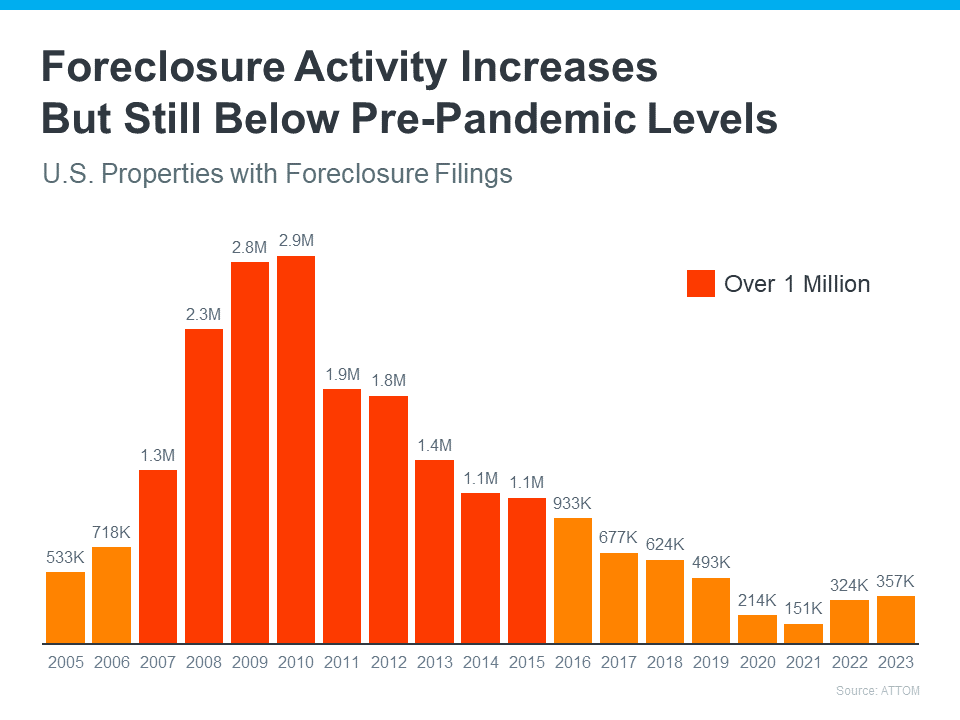
The graph below uses research from ATTOM, a property data provider, to show foreclosure activity has been consistently lower since the crash in 2008:

 No Caption Received


What the data shows is that things now aren’t anything like they were surrounding the housing crash. The bars in red are when there were over 1 million foreclosure filings a year. In 2023, there were roughly 357,000. That’s a big difference.

A recent article from Bankrate explains one of the reasons things aren’t like they were back then:

In the years after the housing crash, millions of foreclosures flooded the housing market, depressing prices. That’s not the case now. Most homeowners have a comfortable equity cushion in their homes.”

Basically, foreclosure activity is nothing like it was during the crash. That’s because most homeowners today have enough equity to keep them from going into foreclosure. And that’s a really good thing for homeowners and for the market.

The reality is, the data shows a foreclosure crisis is not where the market is today, or where it’s headed.

Bottom Line

Right now, putting the data into context is more important than ever. While the housing market is experiencing an expected rise in foreclosures, it’s nowhere near the crisis levels seen when the housing bubble burst, and that won’t lead to a crash in home prices.

Posted in Market Updates
May 1, 2024

Is a Multi-Generational Home Right for You?

Is a Multi-Generational Home Right for You?


Ever thought about living in the same house with your grandparents, parents, or other loved ones? You're not alone. A lot of people are choosing to buy multi-generational homes where everyone can live together. Let's check out why they think it’s a good idea to see if it might be a good fit for you, too.

Why People Are Choosing Multi-Generational Living

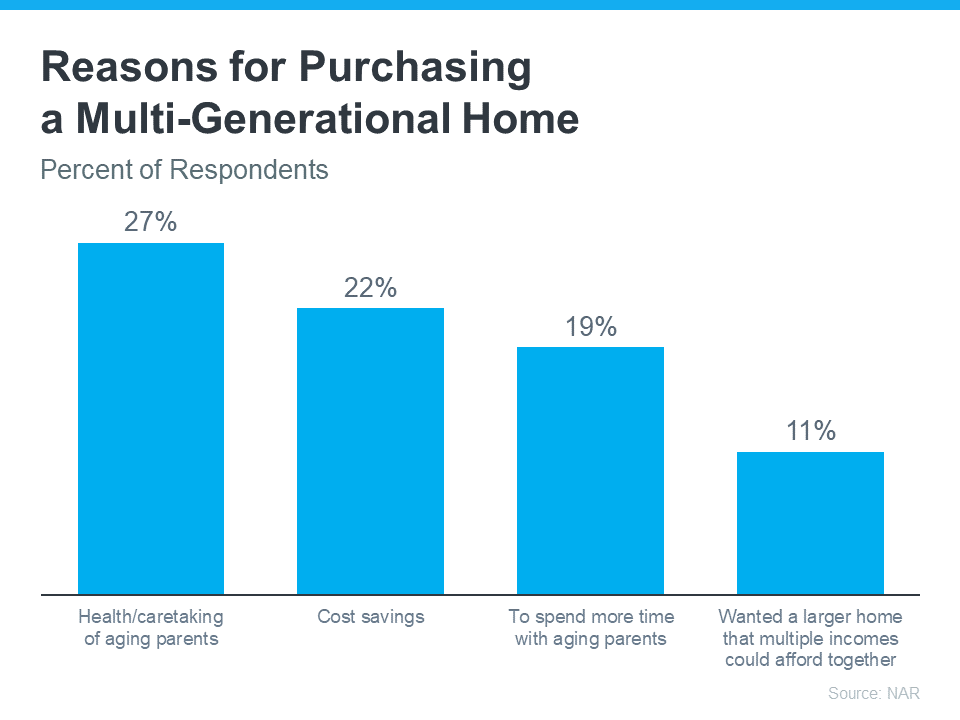
According to the National Association of Realtors (NAR), here are just a few key reasons buyers opted for multi-generational homes over the past year (see graph below):

 No Caption Received


Two of the top reasons had to do with aging parents. 27% of buyers chose multi-generational homes so they could take care of their parents more easily. And 19% did it to spend more time with them. A lot of older adults want to age in place, and living in a home with loved ones can help them do just that. If your parents are hoping to do the same, but need a bit of help, a multi-generational home may be worth considering.

But buying a multi-generational home isn’t just about being close or taking care of the people you love—it can save you money, too. 22% of buyers say they picked a multi-generational home to cut down on costs, and 11% needed a bigger house multiple incomes could afford together.

Sharing costs like the mortgage and utilities can make owning a home more affordable. This is especially helpful for first-time homebuyers who might find it challenging to buy a place on their own in today's market.

As Axios explains:

“Financial concerns and caregiving needs are two of the major reasons people live with their parents (and parents’ parents).”

How an Agent Is Key in Finding the Right Home for You

Looking for the perfect multi-generational home is a bit trickier than finding a regular house. You've got more people, which means more opinions and needs to think about. It's kind of like putting together a puzzle where all the pieces need to fit perfectly.

If you're into the idea of living with loved ones and want all the benefits that come with it, team up with a local real estate agent who can help you out.

Bottom Line

Whether you're looking to save money or want to take care of your loved ones, buying a multi-generational home might be a good idea for you. If you want to find out more, let’s talk.

Posted in Market Updates
April 30, 2024

Phoenix Housing Market Forecast: What Sellers Should Expect


Introduction:The Phoenix housing market has been a hot topic for both buyers and sellers in recent years. With its booming economy, attractive lifestyle, and favorable climate, Phoenix has become a magnet for individuals and families looking to settle down. However, for sellers, understanding the nuances of the market is crucial for making informed decisions. In this blog, we'll delve into the current state of the Phoenix housing market and provide a forecast for sellers, highlighting key factors to consider.

Understanding the Current Market: Before diving into forecasts, it's essential to grasp the current dynamics of the Phoenix housing market. Over the past decade, Phoenix has experienced significant growth in population, job opportunities, and real estate development. This growth has propelled demand for housing, leading to a surge in home prices and a competitive market environment.

According to recent data from the Greater Phoenix Association of Realtors (GPAR), the median sales price for single-family homes in Phoenix reached an all-time high in the previous year. Low inventory levels and high demand have driven bidding wars and quick sales, favoring sellers in many cases.

Factors Influencing the Phoenix Housing Market: Several factors contribute to the robustness of the Phoenix housing market and influence seller expectations:

  1. Population Growth: Phoenix consistently ranks among the fastest-growing cities in the United States. The influx of new residents, both from domestic migration and international immigration, fuels housing demand and supports price appreciation.

  2. Job Market: Phoenix boasts a diverse economy, with thriving sectors such as technology, healthcare, finance, and manufacturing. Job growth attracts professionals from various fields, leading to increased housing demand.

  3. Affordability: Compared to coastal cities like Los Angeles and San Francisco, Phoenix offers relatively affordable housing options. This affordability, combined with a high quality of life, attracts buyers from expensive markets, further driving demand.

  4. Interest Rates: Mortgage interest rates play a significant role in the housing market's health. Low-interest rates make homeownership more accessible, stimulating demand and supporting higher home prices.

  5. Supply Constraints: Despite robust demand, Phoenix faces challenges related to housing supply. Limited land availability, zoning regulations, and construction labor shortages contribute to sluggish housing construction, exacerbating inventory shortages.

Forecast for Sellers: Given the current market conditions and underlying trends, here's what sellers can expect in the coming months:

  1. Continued Price Appreciation: Home prices in Phoenix are likely to continue appreciating, albeit at a slightly slower pace compared to recent years. Strong demand, coupled with limited inventory, will keep upward pressure on prices, benefitting sellers.

  2. Competitive Market Conditions: Sellers can anticipate a competitive market environment characterized by multiple offers and fast sales. Proper pricing, staging, and marketing strategies will be essential for maximizing returns and attracting qualified buyers.

  3. Inventory Challenges Persist: Inventory shortages are expected to persist, especially in desirable neighborhoods and price ranges. Sellers may face limited options for move-up purchases, prompting some to delay listing their homes until suitable replacements are found.

  4. Interest Rate Impact: While mortgage interest rates remain historically low, any significant increase could dampen buyer demand and temper price growth. Sellers should monitor interest rate trends and be prepared to adjust pricing strategies accordingly.

  5. Emphasis on Home Presentation: With competition among sellers intensifying, the presentation of homes will play a crucial role in attracting buyers. Investing in home staging, professional photography, and minor repairs or upgrades can significantly enhance a property's appeal and saleability.

  6. Strategic Timing: Timing the listing of a home strategically can influence its success in the market. While spring and summer traditionally see higher buyer activity, sellers should also consider seasonal fluctuations, local market trends, and economic indicators when deciding when to list their homes.

Conclusion: In conclusion, the Phoenix housing market presents favorable conditions for sellers, driven by strong demand, limited inventory, and economic vitality. Sellers can expect continued price appreciation, competitive market conditions, and inventory challenges in the foreseeable future. By staying informed, working with experienced real estate professionals, and adopting effective marketing strategies, sellers can navigate the market successfully and achieve their goals.

Sources:

  1. Greater Phoenix Association of Realtors (GPAR) - https://www.phoenixrealtors.com/
  2. U.S. Census Bureau - https://www.census.gov/
  3. Federal Reserve Economic Data (FRED) - https://fred.stlouisfed.org/
  4. National Association of Realtors (NAR) - https://www.nar.realtor/
April 29, 2024

The Best Way To Keep Track of Mortgage Rate Trends

The Best Way To Keep Track of Mortgage Rate Trends


If you’re thinking about buying a home, chances are you’ve got mortgage rates on your mind. You’ve heard about how they impact how much you can afford in your monthly mortgage payment, and you want to make sure you’re factoring that in as you plan your move.

The problem is, with all the headlines in the news about rates lately, it can be a bit overwhelming to sort through. Here’s a quick rundown of what you really need to know.

The Latest on Mortgage Rates

Rates have been volatile – that means they’re bouncing around a bit. And, you may be wondering, why? The answer is complicated because rates are affected by so many factors.

Things like what’s happening in the broader economy and the job market, the current inflation rate, decisions made by the Federal Reserve, and a whole lot more have an impact. Lately, all of those factors have come into play, and it’s caused the volatility we’ve seen. As Odeta Kushi, Deputy Chief Economist at First American, explains:

“Ongoing inflation deceleration, a slowing economy and even geopolitical uncertainty can contribute to lower mortgage rates. On the other hand, data that signals upside risk to inflation may result in higher rates.”

Professionals Can Help Make Sense of it All

While you could drill down into each of those things to really understand how they impact mortgage rates, that would be a lot of work. And when you’re already busy planning a move, taking on that much reading and research may feel a little overwhelming. Instead of spending your time on that, lean on the pros.

They coach people through market conditions all the time. They’ll focus on giving you a quick summary of any broader trends up or down, what experts say lies ahead, and how all of that impacts you.

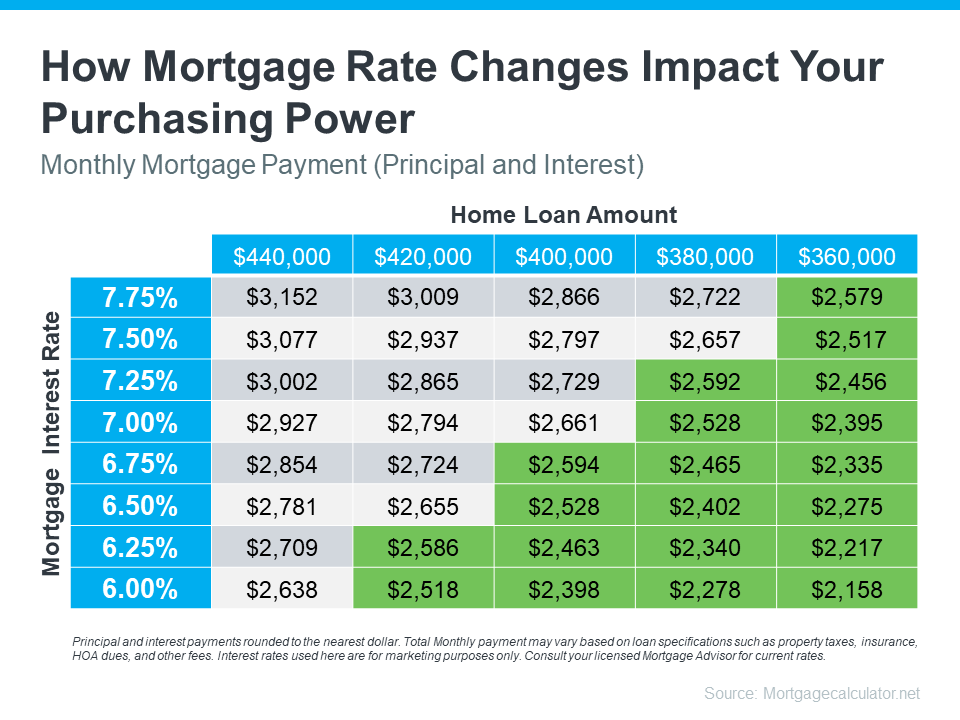
Take this chart as an example. It gives you an idea of how mortgage rates impact your monthly payment when you buy a home. Imagine being able to make a payment between $2,500 and $2,600 work for your budget (principal and interest only). The green part in the chart shows payments in that range or lower based on varying mortgage rates (see chart below):

No Caption Received


As you can see, even a small shift in rates can impact the loan amount you can afford if you want to stay within that target budget.

It’s tools and visuals like these that take everything that’s happening and show what it actually means for you. And only a pro has the knowledge and expertise needed to guide you through them.

You don’t need to be an expert on real estate or mortgage rates, you just need to have someone who is, by your side.

Bottom Line

Have questions about what’s going on in the housing market? Let’s connect so we can take what’s happening right now and figure out what it really means for you.

Posted in Market Updates
April 27, 2024

The Advantage of Selling Pet Friendly Homes in Phoenix


Family Dog Running into a Home in Cave Creek Arizona


The Advantage of Selling Pet-Friendly Homes in Phoenix, Arizona

Thinking of selling your home in Phoenix? If it’s pet-friendly, you may be sitting on a secret selling advantage.

With over 60% of households in the U.S. owning pets—and Phoenix ranked as one of the most dog-friendly cities in the country—homes that cater to furry family members are in high demand. From fenced yards to durable flooring, small design choices that work for pets can lead to quicker sales and higher offers.

Why Phoenix is Perfect for Pet Owners

Phoenix’s year-round sunshine, hiking trails, and dog parks make it a haven for pet lovers. Neighborhoods like Desert Hills, Cave Creek, and North Phoenix offer wide sidewalks, large lots, and easy access to pet-friendly amenities. It’s no surprise that many buyers moving into the area prioritize their pets just as much as schools, commute times, or floorplans.

If your home already offers pet-accommodating features, highlighting them in your listing could make all the difference.

Pet-Friendly Features That Attract Buyers

  • Secure, fenced-in yards
  • Hard-surface floors like tile or vinyl
  • Built-in pet doors
  • Shaded patios or covered runs
  • Space for kennels, crates, or pet stations
  • Proximity to parks, walking trails, and groomers

If your Phoenix property checks these boxes, you’re already ahead of the pack.

Why Pet-Friendly Homes Sell Faster (and Often for More)

1. Broader Buyer Appeal

When a home is clearly set up to welcome pets, it naturally attracts a larger pool of potential buyers. And in a market as competitive as Phoenix, appealing to pet owners gives your property an edge.

2. Move-In Ready Convenience

Buyers with pets often want a space where their animals can feel safe and settled from day one. Pet-friendly features remove friction from their decision-making process, helping your home stand out against similar listings.

3. Potential for Higher Offers

Small investments—like adding a pet door or freshening up a backyard space—can lead to big returns. Many buyers are willing to pay more for a home that doesn't require additional upgrades to make it pet-ready.

Telling the Right Story in Your Listing

It’s not enough to simply say “pet-friendly” in the MLS remarks. A good real estate agent will help you paint the full picture: a shady backyard perfect for pups, a nearby trail just steps away, or a layout that works for both kids and animals.

Lifestyle sells—and the lifestyle of a Phoenix pet owner is a strong one. Lean into it.

A Real-Life Success Story

One seller in North Phoenix decided to upgrade their backyard with artificial turf and a dedicated dog run before listing. Within five days, they received a full-price offer from buyers with two golden retrievers—who were already pictured lounging in the yard during the showing.

The takeaway? Pet features help buyers emotionally connect with a home—and that connection can turn into action fast.

Final Thoughts

Selling a home in Phoenix? Don’t overlook your home’s potential to appeal to the city’s growing population of pet lovers. A few well-placed features, thoughtful marketing, and an agent who knows how to tell the right story can make all the difference.

Whether you’re in Anthem, Cave Creek, Desert Hills, or the heart of Phoenix, showcasing your home as pet-friendly might be your smartest move yet.

© 2025 Dominion Group Properties | Serving Phoenix, Desert Hills, New River, Anthem, Cave Creek, and Carefree, AZ

April 26, 2024

What You Really Need To Know About Home Prices

What You Really Need To Know About Home Prices


According to recent data from Fannie Mae, almost 1 in 4 people still think home prices are going to come down. If you’re one of the people worried about that, here’s what you need to know.

A lot of that fear is probably coming from what you’re hearing in the media or reading online. But here’s the thing to remember. Negative news sells. That means, you may not be getting the full picture. You may only be getting the clickbait version. As Jay Thompson, a Real Estate Industry Consultant, explains:

“Housing market headlines are everywhere. Many are quite sensational, ending with exclamation points or predicting impending doom for the industry. Clickbait, the sensationalizing of headlines and content, has been an issue since the dawn of the internet, and housing news is not immune to it.”

Here’s a look at the data to set the record straight.

Home Prices Rose the Majority of the Past Year

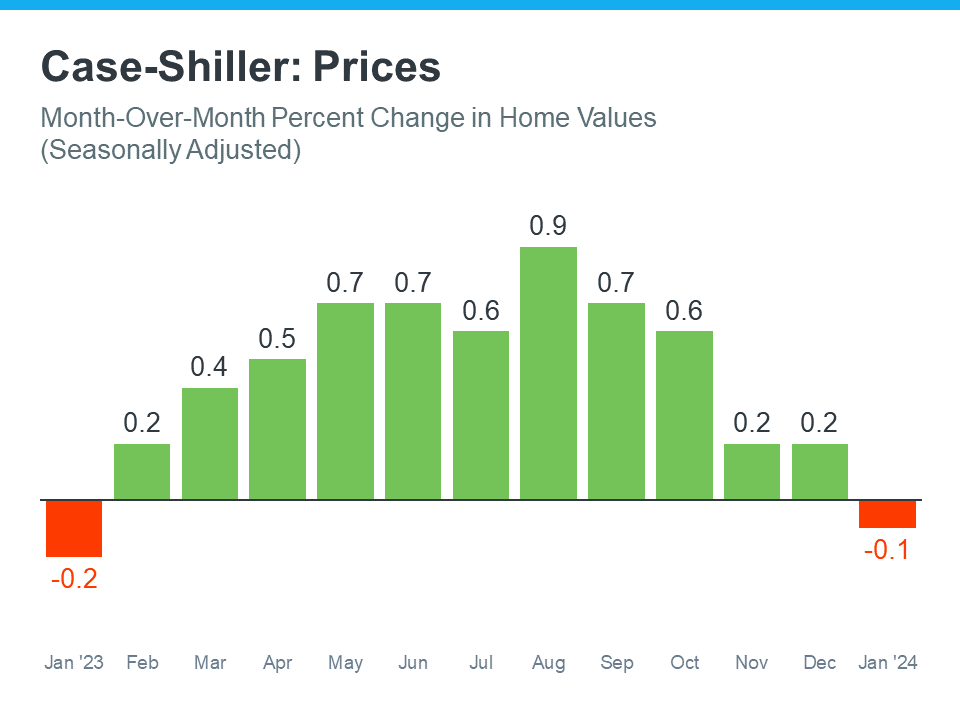
Case-Shiller releases a report each month on the percent of monthly home price changes. If you look at their data from January 2023 through the latest numbers available, here’s what you’d see:

 a graph of green bars


What do you notice when you look at this graph? It depends on what color you’re more drawn to. If you look at the green, you’ll see home prices rose for the majority of the past year.

But, if you’re drawn to the red, you may only focus on the two slight declines. This is what a lot of media coverage does. Since negative news sells, drawing attention to these slight dips happens often. But that loses sight of the bigger picture. 

Here’s what this data really says. There’s a lot more green in that graph than red. And even for the two red bars, they’re so slight, they’re practically flat. If you look at the year as a whole, home prices still rose overall.

It’s perfectly normal in the housing market for home price growth to slow down in the winter. That’s because fewer people move during the holidays and at the start of the year, so there’s not as much upward pressure on home prices during that time. That’s why, even the green bars toward the end of the year show smaller price gains.

The overarching story is that prices went up last year, not down.

To sum all that up, the source for that data in the graph above, Case Shiller, explains it like this:

Month-over-month numbers were relatively flat, . . . However, the annual growth was more significant for both indices, rising 7.4 percent and 6.6 percent, respectively.”

If one of the expert organizations tracking home price trends says the very slight dips are nothing to worry about, why be concerned? Even Case-Shiller is drawing your attention to how those were virtually flat and how home prices actually grew over the year.

Bottom Line

The data shows that, as a whole, home prices rose over the past year. If you have questions about what’s happening with home prices in our area, let's chat.

Posted in Market Updates
April 24, 2024

Is It Better To Rent Than Buy a Home Right Now?

Is It Better To Rent Than Buy a Home Right Now?


You may have seen reports in the news recently saying it’s more affordable to rent right now than it is to buy a home. And while that may be true in some markets if you just look at typical monthly payments, there’s one thing that the numbers aren’t factoring in: and that’s home equity. Here’s a look at how big of an impact equity can have and why it’s worth considering as you make your decision.

What the Headlines Are Based on

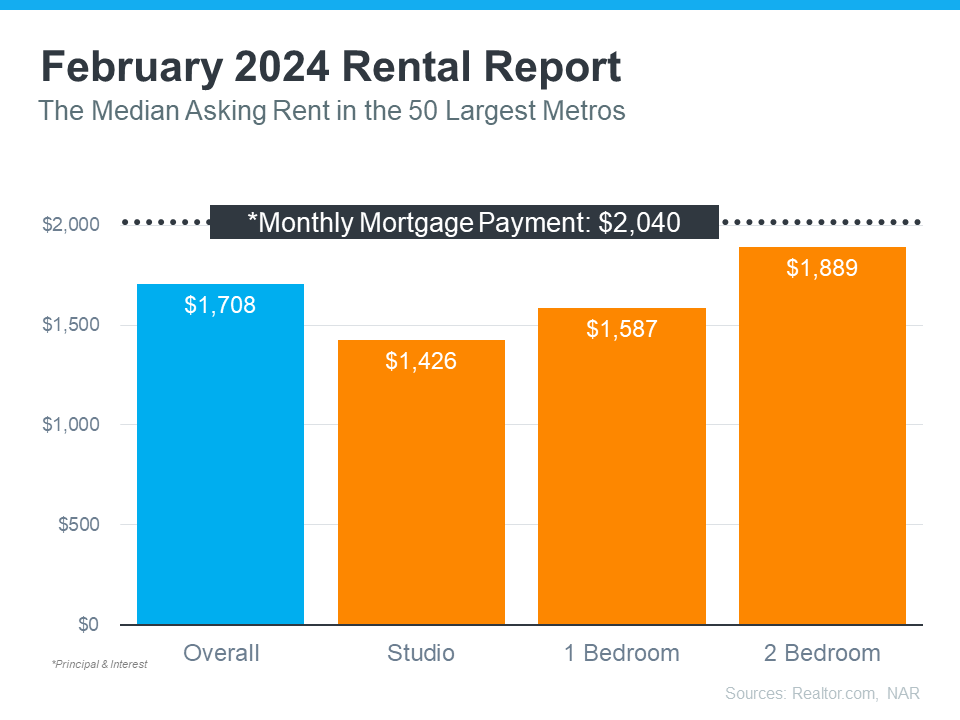
The graph below uses national data on the median rental payment from Realtor.com and median mortgage payment from the National Association of Realtors (NAR) to compare the two options. As the graph shows, especially if you’re not looking for a lot of space, it can be more affordable on a monthly basis to rent:

 No Caption Received


But if you’re looking for something with 2 bedrooms, the gap between the median rent and the median mortgage payment starts to shrink to a difference that may be more doable. The median monthly mortgage payment is $2,040. The median monthly rent for 2 bedrooms is $1,889. That’s a difference of about $151 a month. But here’s what happens when you factor in equity too.

How Equity Changes the Game

If you rent, your monthly rental payments only go toward covering your housing costs and your landlord’s expenses. So other than saving a bit more per month and maybe getting your rental deposit back when you move, the money you spent on housing each month is gone – forever.

When you buy, your monthly mortgage payment pays for your shelter, but it also acts as an investment. That investment grows in the form of equity as you make your mortgage payment each month and chip away at what you owe on your home loan. Your equity gets an extra boost as home values climb – which they typically do.

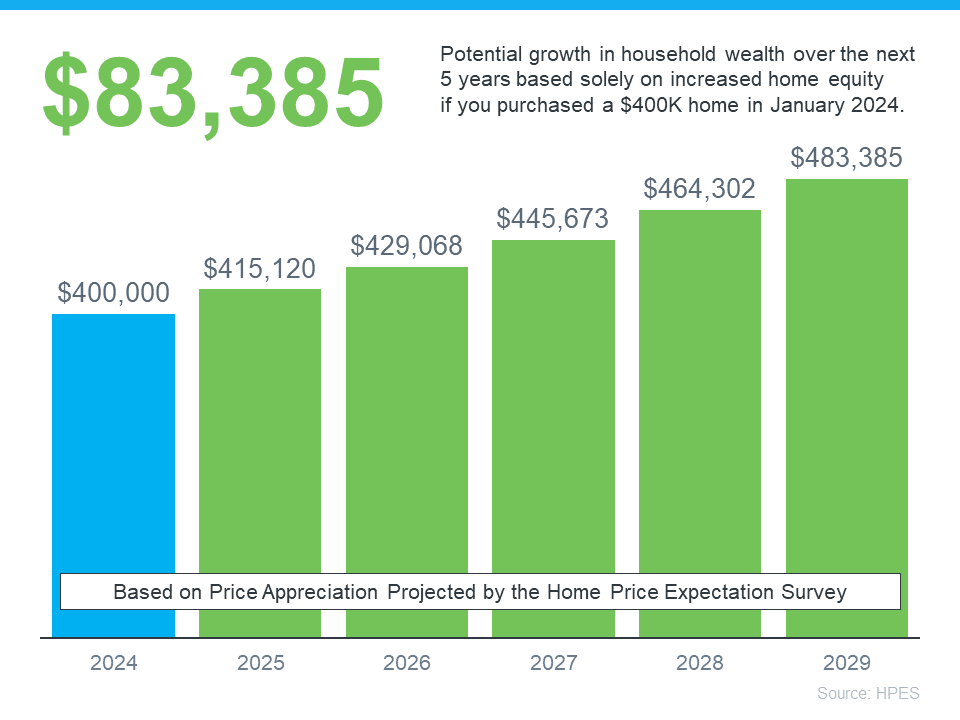
To give you a clearer idea of how equity can really stack up fast, here’s some data for you. Each quarter, Fannie Mae and Pulsenomics publish the results of the Home Price Expectations Survey (HPES). It asks more than 100 economists, real estate professionals, and investment and market strategists what they think will happen with home prices. In the latest release, those experts say home prices are going to keep going up over the next five years.

Here's an example of how equity builds based on the projections from the HPES (see graph below):

No Caption Received


Imagine you purchased a home for $400,000 at the start of this year. Chances are, since you bought, you plan to stay put for a while. Based on the HPES projections, if you live there for 5 years, you could end up gaining over $83,000 in household wealth as your home grows in value.

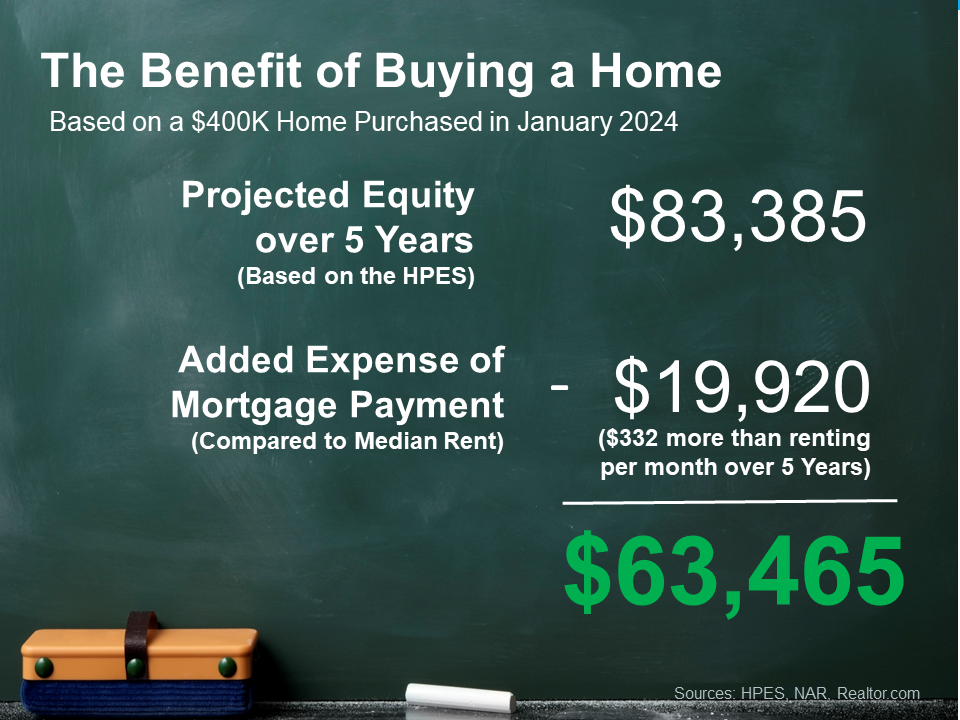
Here’s how that stacks up compared to renting, using the overall median rent from above:

 No Caption Received


While you may save a bit on your monthly payments if you rent right now, you’ll also miss out on gaining equity.

So, what’s the big takeaway? Whether it makes more sense to rent or buy is going to vary based on your personal finances. It’s not a good idea to buy if the numbers truly don’t work for you. But, if you’re ready and able, adding equity as the final puzzle piece may be enough to help you realize buying is a better move in the long run.

Bottom Line

When it comes down to it, buying a home gives you a benefit renting just can’t provide – and that’s the chance to gain equity. If you want to take advantage of long-term home price appreciation, let’s go over your options.

Posted in Market Updates