Navigating The Phoenix Housing Market

Welcome to the official blog of Dominion Group Properties—your trusted resource for real estate news, market analysis, and expert guidance across Phoenix, Scottsdale, North Phoenix, Cave Creek, Carefree, and Anthem. Whether you're a home buyer, seller, investor, or planning a relocation within the Valley, our blog delivers timely content to keep you informed.

What We Cover

  • Local Market Trends & Housing Reports: Stay updated with monthly insights on inventory, pricing, and market shifts in Phoenix and the North Valley.
  • Home Buying & Selling Strategies: From financing manufactured homes to pricing historic properties, our articles cover every step of the process.
  • Community & Development News: Learn about upcoming neighborhoods like Desert Hills, emerging job centers, and how primed areas are shaping investment opportunities.
  • Property Management & Landlord Tips: Make informed decisions whether you're leasing, investing, or managing a residential property in Arizona.

Why Our Blog Stands Out

  • Content anchored in real-world market data and local expertise across Phoenix Metro and surrounding regions.
  • Written and curated by Jonathan Baer—broker, licensed loan officer, and real estate advisor with over 30 years’ experience and $240 million in closed transactions in Maricopa County.
  • Blog topics tailored for actionable insights, whether flipping a home in Cave Creek, planning a move to Anthem, or financing a manufactured home in Phoenix.

Bookmark this page and check back regularly for fresh updates, expert commentary, and smart strategies for navigating Arizona’s dynamic real estate market.

About the Author:
Jonathan Baer, Designated Broker and Real Estate Wealth Advisor at Dominion Group Properties, has completed over 1,000 transactions worth more than $240 million across Arizona.


Learn More About Jonathan Baer

April 10, 2024

Is It Easier To Find a Home in Phoenix To Buy Now?

Is It Easier To Find a Home in Phoenix To Buy Now?


One of the biggest hurdles buyers have faced over the past few years has been a lack of homes available for sale. But that’s starting to change.

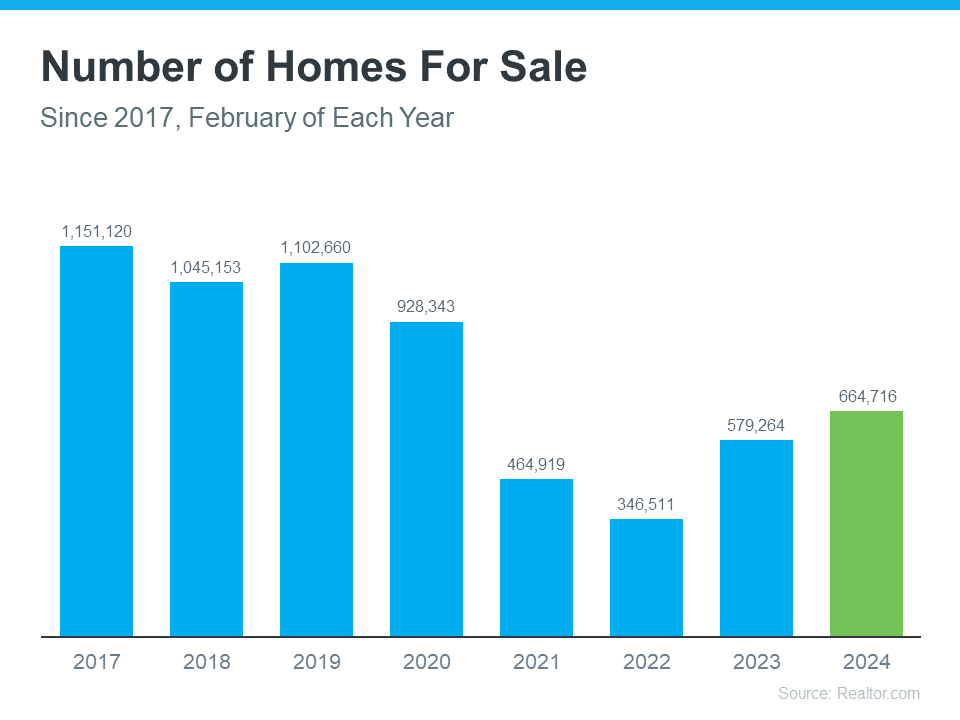
The graph below uses the latest data from Realtor.com to show there are more homes on the market in 2024 than there have been in any of the past several years (2021-2023):

a graph of a number of homes for sale


Does That Mean Finding a Home Is Easier?

The answer is yes, and no. As an article from Realtor.com says:

There were nearly 15% more homes for sale in February than a year earlier . . . That alone could jolt the housing market a bit if more “For Sale” signs continue to appear. However, the nation is still suffering from a housing shortage even with all of that new inventory.

Context is important. On the one hand, inventory is up over the past few years. That means you’ll likely have more options to choose from as you search for your next home.

But, at the same time, the graph above also shows there are still significantly fewer homes for sale than there would usually be in a more normal, pre-pandemic market. And that deficit isn’t going to be reversed overnight.

What Does This Mean for You?

You might find a few more choices now than in recent years, but you shouldn’t expect a ton of options.

To help you explore the growing list of choices you have now, team up with a local real estate agent you trust. They can really help you understand the inventory situation where you want to buy. That’s because real estate is local. An experienced agent can share some smart tips they’ve used to help other buyers in your area deal with ongoing low housing supply.

Bottom Line

If you’re thinking about buying a home, let’s team up. That way, you’ll be up to date on everything that could affect your move, including how many homes are for sale right now.

April 9, 2024

How Phoenix's Weather Influences Home Sales


How Phoenix's Weather Influences Home Sales

Phoenix, Arizona, is renowned for its unique climate characterized by long, blisteringly hot summers and pleasantly mild winters. This desert city, where the sun shines for over 300 days a year, offers a distinct lifestyle that significantly impacts its housing market. Understanding how Phoenix's weather influences home sales provides valuable insights into local real estate dynamics, offering potential buyers and sellers key information to make informed decisions. In this comprehensive exploration, we delve into various aspects—from seasonal buying trends to the architectural features designed for desert living—that exemplify the interplay between climate and real estate in Phoenix.

Understanding Phoenix's Climate

Phoenix's weather is one of its most defining features. According to the National Oceanic and Atmospheric Administration (NOAA), Phoenix experiences some of the highest summer temperatures in the United States, with daytime readings frequently surpassing 100°F (38°C). In contrast, winters are notably mild, with temperatures often comfortable in the 60s and 70s°F (15-25°C), making it an ideal refuge from the harsh winters experienced in other parts of the country.

Such extreme weather not only shapes daily life but also has profound implications for the housing market. From the timing of sales to the types of homes that are most popular, weather is a constant, influential backdrop.

Seasonal Impact on Home Buying and Selling

The intense heat of Phoenix summers tends to slow the real estate market. High temperatures can make house hunting a less appealing endeavor, leading to fewer home viewings and, consequently, slower sales. Real estate agents in Phoenix often note a dip in market activity during the peak summer months, from June through August.

Conversely, the mild and appealing winter weather attracts a surge in home buying activity. This phenomenon is partially driven by "snowbirds"—residents of colder states who seek to spend their winters in a warmer climate. Real estate data frequently shows an uptick in sales from November through March, aligning with the arrival of these seasonal visitors. Moreover, the comfortable climate during these months makes it an ideal time for local residents to consider moving, as the cooler weather facilitates easier and more comfortable relocation.

Climate-Driven Features in Phoenix Homes

The architecture and features of homes in Phoenix are deeply influenced by its climate. To combat the intense heat, homes are often built with specific characteristics to enhance comfort and energy efficiency. Features commonly found in Phoenix homes include:

  • High-efficiency HVAC systems: Essential for managing indoor temperatures during the extreme summer heat.
  • Reflective roofing materials: Used to reflect the sun's rays and reduce heat absorption.
  • Advanced insulation: To keep cool air in and hot air out, insulation standards are particularly high.
  • Sun shades and shutters: These are used extensively to protect windows from direct sunlight, thereby reducing cooling costs.
  • Landscaping designed for heat tolerance: Xeriscaping is popular, involving landscaping with drought-resistant plants that require minimal water.

Additionally, outdoor living features such as swimming pools and shaded patios are highly sought after. These not only add to the aesthetic and resale value of homes but also provide necessary relief from the heat, making outdoor spaces usable and enjoyable year-round.

The Future: Climate Change and Real Estate Trends

As global temperatures rise, Phoenix may see even more extreme weather, which could further influence real estate trends. Anticipating longer and more intense heatwaves, future homebuyers might prioritize energy efficiency and sustainability even more strongly than they do now. This could drive innovations in home construction and renovation, with an increased emphasis on cooling technologies and green building practices.

Real estate experts also predict that as other parts of the country experience more erratic weather patterns due to climate change, Phoenix's relatively stable (albeit hot) climate may become more attractive. This could lead to a long-term increase in demand for homes, influencing prices and market dynamics.

Conclusion

Phoenix's real estate market is inextricably linked to its weather. The city's climate not only affects when and how homes are bought and sold but also what types of homes are built. As we look towards the future, understanding these dynamics will be crucial for anyone involved in this vibrant market. Whether for potential homeowners looking to move to the area or investors aiming to capitalize on local trends, recognizing the impact of Phoenix's unique weather on its real estate market is key to making informed decisions.

By considering these factors, stakeholders can better navigate the challenges and opportunities presented by the housing market in Phoenix, ensuring that their decisions are both strategic and aligned with environmental realities.

April 8, 2024

Outdoor Projects Can Boost Curb Appeal When You Sell a Home in Arizona

Outdoor Projects Can Boost Curb Appeal When You Sell a Home in Arizona


a comparison of a bird house and a garden

Some Highlights

  • In real estate, a good first impression is key. If the outside of a house looks welcoming, more people will want to come in and see it.
  • Your agent helps you by giving advice on what you may want to prioritize, finding easy fixes that make a big difference, knowing what buyers in your area like, and showing off your updates in your listing.
  • Let’s connect so you have expert advice on what'll have the biggest impact in our area. 
Posted in Home Selling
April 8, 2024

Phoenix's Hot Spots: Discover the Neighborhoods Where Homes Are Selling the Fastest


Phoenix's Hot Spots: Discover the Neighborhoods Where Homes Are Selling the Fastest

Phoenix, Arizona, with its year-round sunshine, sprawling desert landscapes, and vibrant culture, continues to attract a wide array of homebuyers. From young professionals to retirees, the demand for housing in this bustling metropolis is as hot as its summer temperatures. But where exactly in Phoenix do homes sell the fastest? This blog post shines a spotlight on the neighborhoods that are currently seeing the quickest turnover in the real estate market.

1. Arcadia

One of the most sought-after neighborhoods in Phoenix is Arcadia. Known for its lush greenery, expansive lots, and well-preserved mid-century homes, Arcadia offers a unique blend of urban and rural living. The proximity to both downtown Phoenix and the outdoor recreational areas like Camelback Mountain makes it a prime location. Homes here often receive multiple offers and can sell within just a few days on the market.

2. Roosevelt Row

For those who prefer a more urban vibe, Roosevelt Row (RoRo) is the go-to neighborhood. As one of Phoenix's most dynamic areas, RoRo is known for its vibrant arts scene, bustling nightlife, and an array of cafes, bars, and galleries. This neighborhood is particularly popular among millennials and young professionals, leading to a fast-paced housing market where listings often last mere days before being snapped up.

3. Ahwatukee Foothills

Ahwatukee Foothills is ideal for families and individuals looking for a quieter lifestyle on the outskirts of the city. Nestled at the base of South Mountain Park, residents enjoy over 50 miles of hiking, biking, and horseback riding trails. The community is known for its excellent schools and low crime rates, making it an attractive area for homebuyers. Homes in Ahwatukee Foothills frequently sell within a week of listing.

4. North Central Phoenix

North Central Phoenix offers a charming mix of old and new, featuring tree-lined streets with large, sprawling ranch homes and modern renovations. The neighborhood's central location and the quality of life it offers make it a perennial favorite, with homes typically staying on the market for very short periods. It's a community where you often see 'sold' signs pop up just as quickly as 'for sale' ones.

5. Willo

Willo, known for its historic homes and tight-knit community, attracts a diverse range of buyers. This neighborhood boasts beautifully preserved homes from the 1920s and 30s, giving it a nostalgic charm unlike any other area in Phoenix. Its active neighborhood association and yearly home tour event keep community spirit alive and encourage fast sales as properties rarely linger on the market.

What Makes These Neighborhoods Sell Fast?

Several factors contribute to the fast-selling pace of homes in these Phoenix neighborhoods:

  • Desirable Location: All these neighborhoods offer unique attractions—whether it's outdoor activities, arts and culture, or urban convenience.
  • Strong Community Ties: Neighborhoods with active associations and community events tend to maintain higher demand and quicker sales.
  • Limited Inventory: The most popular neighborhoods often have fewer homes available, which drives up demand and decreases market time.
  • Economic Factors: Phoenix's growing economy and its status as an up-and-coming tech hub attract more residents and decrease the time homes stay on the market.

Conclusion

Phoenix's real estate market is diverse and dynamic, reflecting the city's growing appeal and the varied preferences of its residents. Whether you're looking for a historic home in a walkable urban neighborhood or a new build in a more suburban setting, Phoenix has something to offer. The neighborhoods highlighted here showcase just how quickly properties can move in this competitive market, making it crucial for potential buyers to stay informed and ready to act quickly.

Interested in buying or selling in these hot neighborhoods? Keeping an eye on market trends and working with a knowledgeable real estate agent can help you navigate this fast-paced market effectively. Whether you are new to the city or looking to relocate within Phoenix, understanding which areas see homes selling the fastest can provide a valuable edge in your real estate journey.


  1. Zillow Research: Zillow provides extensive data and analysis on the housing market, including home values, trends, and market dynamics specific to Phoenix. You can use their research to support claims about fast-selling neighborhoods and the factors influencing buyer decisions. Zillow Research

  2. Realtor.com Market Trends: Realtor.com offers a detailed look at local real estate trends, including median listing prices, days on market, and inventory levels. This source can provide specific data on how quickly homes are selling in different parts of Phoenix. Realtor.com 

  3. The Cromford Report: Specific to the Phoenix metropolitan area, The Cromford Report offers in-depth analysis and statistics on the real estate market. Utilizing this source would give detailed insights into inventory levels, demand, and market activity specific to Phoenix neighborhoods. The Cromford Report

  4. City of Phoenix Official Website: For information on community events, planning, and development, the City of Phoenix's official website can provide context about the neighborhoods, their growth, community initiatives, and infrastructure improvements, all of which influence real estate dynamics. City of Phoenix

April 7, 2024

Marketing Your Phoenix Home: Beyond Traditional Listings


Marketing Your Phoenix Home: Beyond Traditional Listings

When it comes to selling a home in Phoenix, homeowners often rely on traditional listing methods like MLS listings, open houses, and working with real estate agents. However, in today's digital age, there are numerous additional strategies that can help you stand out in a crowded market. This blog explores innovative ways to market your Phoenix home beyond traditional listings, integrating both digital strategies and unique offline methods.

Understanding the Phoenix Housing Market

Before diving into marketing strategies, it's crucial to understand the current dynamics of the Phoenix housing market. Phoenix has been experiencing a growth in housing demands, driven by its increasing population and economic stability. The city's real estate market is characterized by competitive home prices and relatively fast sales cycles. Understanding these trends can help tailor your marketing strategies to attract potential buyers.

Using Data-Driven Insights

Start by analyzing local real estate data. Tools like Zillow and Redfin provide valuable insights into market trends, average selling prices, and neighborhood comparisons. By understanding these metrics, you can position your home more effectively in the market.

Digital Marketing Strategies

1. Virtual Tours and Staging

In the era of social distancing and tech-savvy buyers, virtual tours have become a powerful tool in home marketing. A well-produced virtual tour can give potential buyers a comprehensive view of your property from the comfort of their homes. Services like Matterport allow you to create immersive 3D tours of your property, which can significantly boost online engagement.

2. Targeted Social Media Advertising

Social media platforms offer targeted advertising options based on demographic data, interests, and behavior. Platforms like Facebook and Instagram allow you to target potential buyers in Phoenix or those looking to move to the area. Create engaging ads with high-quality photos and videos of your home, highlighting unique features and amenities.

3. SEO for Real Estate

Optimizing your online content for search engines (SEO) can increase the visibility of your property online. Create a blog or a website dedicated to your home, using keywords that potential buyers might use to search for properties in Phoenix, such as "homes for sale in Phoenix" or "best neighborhoods in Phoenix."

Innovative Offline Marketing Strategies

1. Hosting Unique Open Houses

While traditional open houses are common, consider hosting themed open houses to make your property more memorable. For instance, a "sunset viewing" event can showcase the beauty of Arizona's skies from your property, adding an emotional appeal to the viewing experience.

2. Local Partnerships

Partner with local businesses to promote your home. For example, have a popular local café cater an open house or collaborate with a local artist to display art in your home during showings. These partnerships can increase foot traffic and provide a unique buying experience.

3. Direct Mail Campaigns

Despite the digital age, direct mail campaigns can still be very effective, especially for targeting older demographics. Send out high-quality postcards or brochures with professional photos and information about your home to targeted areas that may have potential buyers.

Leveraging Technology

1. Drones for Aerial Photography

Aerial photography can provide stunning visuals of your property, highlighting expansive views or a large backyard. Drone footage can be particularly impactful for properties with unique outdoor features or beautiful landscapes.

2. Smart Home Staging

Showcase modern technology in your home by integrating smart home devices like thermostats, lights, and security systems. During showings, demonstrate these features to entice tech-savvy buyers who value modern conveniences.

3. Mobile Apps

Consider listing your home on apps like Trulia, Realtor.com, and Homesnap. These platforms are frequented by potential buyers and offer tools for managing showings and feedback, which can simplify the selling process.

Conclusion

Marketing your home in Phoenix requires a blend of traditional tactics and innovative strategies. By embracing digital tools and creative offline methods, you can significantly enhance the visibility of your property and attract a diverse range of potential buyers. Always consider the unique features of your home and the preferences of your target market to choose the most effective marketing strategies.

Remember, the key to successful home marketing is differentiation; by offering something more than just a standard listing, you're more likely to capture the attention and imagination of potential buyers. Good luck with selling your home in Phoenix!

For those looking to delve deeper into the nuances of real estate marketing, here are some resources and tools that can provide further guidance and assistance:

  1. Zillow Research
  2. Redfin Data Center
  3. Matterport
  4. Facebook Ads for Real Estate
April 6, 2024

Selling Your Phoenix Home: Tips for Smooth Closing Transactions


Selling Your Phoenix Home: Tips for Smooth Closing Transactions

Selling a home in Phoenix, or anywhere for that matter, can be a complex process filled with nuances that can make or break a deal. Closing a real estate transaction smoothly is the culmination of weeks or even months of effort. Here are some essential tips to help you navigate this final phase effectively, ensuring a stress-free transition from seller to sold.

1. Understand the Phoenix Market

Before you list your home, get a grasp of the current Phoenix real estate market. This involves understanding factors like the average time homes spend on the market, current pricing trends, and buyer demand. A local real estate agent can provide a comparative market analysis (CMA), which compares your home to similar properties in your area to help set a competitive price.

2. Price Your Home Competitively

Setting the right price from the get-go is crucial. Overpricing can lead to a stale listing, while underpricing might mean leaving money on the table. Use the CMA to set a realistic price that attracts buyers and reflects the true value of your property.

3. Prepare Your Home for Sale

First impressions matter immensely in real estate. Ensure your home looks its best by addressing any maintenance issues, decluttering, deep cleaning, and staging. Consider professional landscaping to boost curb appeal. Additionally, ensure that the home is thoroughly cleaned and all personal property is removed before the close of escrow. This not only helps in creating a positive impression during the final walkthrough but also complies with typical sales contracts that require the home to be in a 'broom-clean' condition. Remember, a clean and well-maintained home moves faster and for a better price.

4. Marketing Your Home Effectively

Utilize a multifaceted approach to marketing. This includes professional-quality photos, virtual tours, online listings, social media, and traditional marketing like yard signs and open houses. An experienced real estate agent can handle this aspect, ensuring your home reaches the widest possible audience.

5. Be Prepared for the Inspection and Appraisal

Home inspections and appraisals are critical components of the closing process. These assessments can influence the deal significantly. Be prepared by making necessary repairs beforehand and keep records of any updates or maintenance. During the appraisal, ensure the appraiser has easy access to all parts of your home and any additional information about recent upgrades.

6. Negotiate Offers Wisely

Negotiation is an art in real estate. Review each offer carefully and consider not just the price but also the buyer’s qualifications and the terms of the offer. It’s often not just about how much, but how soon and how sure. Flexibility on closing dates and willingness to cover certain costs can also be compelling to buyers.

7. Understand and Prepare Necessary Documentation

Closing on a home involves a lot of paperwork. Familiarize yourself with the necessary documents such as the deed, bill of sale, transfer tax declarations, and more. Your real estate agent and title company should ensure that all paperwork is ready and correct for the closing date.

8. Resolve Last-Minute Issues Swiftly

Last-minute issues can arise during closing, such as disputes over repairs or final walk-through discoveries. Be proactive about resolving these issues to keep the transaction moving forward. Availability and open communication with your buyer can prevent these hiccups from becoming deal-breakers.

9. Choose the Right Closing Agent

Whether it's a title company or an attorney, choosing the right closing agent is pivotal. They will handle the transfer of funds and documents and ensure that the legal aspects of the closing are all in order. Research and choose a reputable professional who is experienced in handling real estate transactions in Phoenix.

10. Close with Confidence

On closing day, review all documents carefully before signing. Ask questions if anything is unclear. Ensure that all financial transactions, including down payments and closing costs, are processed smoothly.

Conclusion

Selling a home in Phoenix requires understanding the local market, preparing your property, effectively negotiating, and navigating the closing process with care. By following these tips, you can ensure a smooth and successful closing transaction. Engage with experienced professionals like real estate agents and closing attorneys who can guide you through this complex process, leaving you confident and ready to make your move.

This comprehensive guide should assist any homeowner in Phoenix looking to sell their property not just quickly, but also for the best possible price and terms.

Posted in Home Selling
April 5, 2024

What’s the Latest with Mortgage Rates in Phoenix?

What’s the Latest with Mortgage Rates in Phoenix?


Recent headlines may leave you wondering what’s next for mortgage ratesMaybe you’d previously heard there were going to be cuts this year that would bring rates down. That refers to the Federal Reserve (the Fed) and what they do to their Fed Funds Rate. While cutting, or lowering, the Fed Funds Rate doesn’t directly determine mortgage rates, it does tend to impact them. But when the Fed met last week, a cut didn’t happen — at least, not yet. 

There are a lot of factors the Fed considered in their recent decision and most of them are complex. But you don’t need to be bogged down by those finer details. What you really want is the answer to this question: does that mean mortgage rates aren’t going to fall? Here’s what you need to know. 

Mortgage Rates Are Still Expected To Drop This Year

While it hasn’t happened yet, that doesn’t mean it won’t. Even Jerome Powell, the Chairman of the Fedsays they still plan to make cuts this year, assuming inflation cools:

“We believe that our policy rate is likely at its peak for this tightening cycle and that, if the economy evolves broadly as expected, it will likely be appropriate to begin dialing back policy restraint at some point this year.”

When this happens, history shows mortgage rates will likely follow. That means hope isn’t lost. As a recent article from Business Insider explains:

“As inflation comes down and the Fed is able to start lowering rates, mortgage rates should go down, too. . .

What This Means for You

But you don’t necessarily want to wait for it to happen. Mortgage rates are notoriously hard to forecast. There are so many factors at play and any one of those can change the projections as the economy shifts. And it’s why the experts offer this advice. As Mark Fleming, Chief Economist at First American, says:

“Well, mortgage rate projections are just that, projections, not promises and don't forget how hard it is to forecast them. . . So my advice is to never try to time the market . . . If one is financially prepared and buying a home aligns with your lifestyle goals, then it could be the right time to purchase. And there's always the refinance option if mortgage rates are lower in the future.”

Basically, if you’re looking to move and trying to time the market, don’t. If you’re ready, willing, and able to move, it may still be worth it to do it now, especially if you can find the home you’ve been searching for.

Bottom Line

If you’re looking to buy a home, let’s connect so you have someone keeping you up-to-date on mortgage rates and helping you make the best decision possible.

Posted in Market Updates
April 5, 2024

Creating an Irresistible Open House in Phoenix

Creating an Irresistible Open House in Phoenix


Creating an irresistible open house in Phoenix requires meticulous planning, strategic marketing, and a keen understanding of local real estate dynamics. Here’s a detailed guide on how to effectively draw in potential buyers and make your property stand out in a competitive market.

1. Understand the Phoenix Market

The Phoenix real estate market is dynamic and can vary significantly by neighborhood. Staying informed through market analyses and trend reports can help tailor your open house strategy. Understanding local pricing trends and buyer preferences is key for setting the right scene. For more detailed local pricing trends, you can refer to Zillow’s local market reports on their website.

2. Timing is Everything

The timing of your open house can greatly influence its success. The best times for open houses in Phoenix are during the cooler months, avoiding the harsh summer heat which can deter attendees. Realtor.com provides insights into optimal timing for open houses in their article on Best Times for Open Houses.

3. Staging to Sell

Staging your home effectively can make a significant difference. Incorporating elements that appeal to local buyers—like comfortable outdoor spaces suited for Phoenix's climate—can enhance appeal. The importance of staging in selling homes faster and often at higher prices is well-documented by the National Association of Realtors.

4. High-Quality Photography

First impressions are increasingly digital. High-quality photographs are crucial for attracting online shoppers. The Real Estate Staging Association shows that homes with professional photos sell 32% faster than those without, as highlighted in their report.

5. Market Aggressively

Utilizing a mix of traditional and digital marketing strategies is essential. Online listings, social media platforms, and local real estate magazines are effective tools. Targeted social media ads can also reach specific demographics likely to be interested in your property, as detailed in this Forbes article on Using Social Media in Real Estate.

6. Enhance Curb Appeal

Curb appeal is your home's first impression. Simple upgrades like landscaping, particularly xeriscaping suitable for the Phoenix climate, can make a significant difference. HGTV suggests that even minor landscaping enhancements can increase home value by up to 10%, detailed in their guide on Landscaping Value.

7. Create an Experience

Creating a memorable experience during the open house can set your property apart. Details like ambient music, pleasant aromas, and refreshments can make potential buyers feel more at home, as suggested by Real Simple in their guide on Creating an Inviting Atmosphere.

8. Provide Comprehensive Information

Providing detailed information about the property and neighborhood can be very persuasive. Including details about local schools, amenities, and community life can help potential buyers envision their life in the new home. Money Magazine highlights the importance of this in their article on the Importance of Neighborhood Information.

9. Follow COVID-19 Guidelines

Following up-to-date COVID-19 safety guidelines helps ensure that your open house is safe for all attendees. The Centers for Disease Control and Prevention provides guidelines for gatherings that can be adapted for open houses on their COVID-19 page.

10. Gather Feedback and Follow Up

Collecting feedback from visitors and following up can lead to successful sales. The National Association of Realtors discusses the crucial nature of follow-up within a few days to keep potential buyers engaged in their article on The Importance of Follow-Up.

Conclusion

Hosting an irresistible open house in Phoenix involves more than just opening your doors to potential buyers. It requires strategic preparation, effective marketing, and attentive follow-through. By adhering to these guidelines, you can greatly enhance your chances of a quick and profitable sale.

April 4, 2024

What Every Homebuyer Should Know About Closing Costs in Arizona.

What Every Homebuyer Should Know About Closing Costs in Arizona.


Before making the decision to buy a home, it's important to plan for all the costs you’ll be responsible for. While you're busy saving for the down payment, don't forget you’ll want to prep for closing costs too.

Here’s some helpful information on what those costs are and how much you should budget for them.

What Are Closing Costs?

A recent article from Bankrate explains:

Closing costs are the fees and expenses you must pay before becoming the legal owner of a house, condo or townhome . . . Closing costs vary depending on the purchase price of the home and how it’s being financed . . .”

Simply put, your closing costs are the additional fees and payments you have to make at closing. According to Freddie Mac, while they can vary by location and situation, closing costs typically include:

  • Government recording costs
  • Appraisal fees
  • Credit report fees
  • Lender origination fees
  • Title services
  • Tax service fees
  • Survey fees
  • Attorney fees
  • Underwriting Fees

How Much Are Closing Costs?

According to the same Freddie Mac article mentioned above, they’re typically between 2% and 5% of the total purchase price of your home. With that in mind, here’s how you can get an idea of what you’ll need to budget.

Let’s say you find a home you want to purchase at today’s median price of $384,500. Based on the 2-5% Freddie Mac estimate, your closing fees could be between roughly $7,690 and $19,225.

But keep in mind, if you’re in the market for a home above or below this price range, your closing costs will be higher or lower.

Make Sure You’re Prepared To Close

Freddie Mac provides great advice for homebuyers, saying:

“As you start your homebuying journey, take the time to get a sense of all costs involved – from your down payment to closing costs.”

The best way to do that is by partnering with a team of trusted real estate professionals. That gives you a group of experts to help you understand how much you’ll need to save and what you’ll want to be prepped for. It also means you have go-to resources for any questions that pop up along the way.

Bottom Line

Planning for the fees and payments you'll need to cover when you're closing on your home is important. Partnering with a local real estate professional can give you the guidance and confidence you need throughout the process.

Posted in Home Buying
April 4, 2024

The Art of Pricing Your Home to Sell Quickly

A Real Estate Agent going over Pricing Strategies with Sellers


The Art of Pricing Your Home to Sell Quickly

Selling your home can be a daunting endeavor, especially in a fluctuating real estate market. One of the most critical factors that determine how quickly your home sells is its price. Setting the right price for your home is an art form that balances market trends, your property’s unique qualities, and your own financial goals. This comprehensive guide will walk you through the steps of pricing your home effectively to ensure a swift and successful sale.

Understanding the Market

The first step in pricing your home is to understand the current state of the real estate market in your area. This involves looking at comparable sales, or "comps," which are recent sales of homes that are similar to yours in size, condition, and location. Websites like Zillow and Realtor.com can provide information on local home sales and offer valuable insights into market trends.

  • Analyze Comparable Sales: Look for homes that have sold in your area within the last three months. Pay attention to their listing price versus the actual selling price to gauge how much buyers are willing to pay.
  • Market Conditions: Determine whether you are in a buyer’s or a seller’s market. In a buyer's market, there are more homes for sale than buyers, so prices are generally lower. In a seller's market, the opposite is true, which can drive up prices.

Setting the Price

Once you have a good understanding of the market conditions, you can start to set a price for your home.

  • Start with a Fair Market Value: Use the data you’ve gathered on comparable sales to estimate a fair market value for your home. It's essential to be realistic about this value to attract serious buyers.
  • Consider Unique Features: Adjust the price based on unique features or upgrades in your home. If your home has a renovated kitchen or a new roof, it might be worth more than similar homes without these features.

Psychological Pricing Strategies

The way you set your price can also influence how buyers perceive your home. Psychological pricing strategies can be very effective.

  • Charm Pricing: Instead of listing your home at $400,000, list it at $399,000. The slightly lower number makes the price seem significantly lower, even though the difference is minimal.
  • Price Banding: This involves setting your price in a range that stands out from other listings. If most homes in your area are priced just over $500,000, setting yours just below that mark can make it stand out.

Preparing for the Sale

Preparation goes beyond setting the right price; it also involves getting your home ready for showings and being flexible.

  • Staging Your Home: Consider hiring a professional stager to make your home appealing to the broadest audience. Well-staged homes can often sell faster and for more money.
  • High-Quality Photos: Invest in professional photography to showcase your home in the best light. Listings with high-quality photos tend to attract more online shoppers, which can translate into quicker sales.

Negotiating Offers

Be prepared to receive offers and negotiate. A well-priced home may receive multiple offers, so it’s important to consider not only the price but also the terms of each offer.

  • Review Buyer Qualifications: Consider the buyer’s qualifications and the likelihood of the sale closing without issues. A higher offer from a buyer who might struggle with financing is less valuable than a slightly lower offer from a buyer with preapproved financing.
  • Contingencies and Closing Times: Some buyers will make offers that include contingencies, such as needing to sell their current home. Be ready to negotiate these terms to ensure a quick sale.

Leveraging Technology

In today’s market, the right technology can make a significant difference in how quickly your home sells.

  • Virtual Tours: Offer virtual tours of your home as part of the online listing. This can attract out-of-town buyers and reduce the number of unnecessary showings.
  • Online Marketing: Use social media and real estate websites to broaden your listing’s exposure. More visibility can lead to quicker offers.

Conclusion

Pricing your home to sell quickly requires a blend of market knowledge, realistic pricing strategies, and effective marketing. By understanding the local market, utilizing psychological pricing, preparing your home for showings, and effectively negotiating offers, you can significantly enhance your chances of a quick sale. Remember, the goal is to make your home as attractive as possible to potential buyers, both in terms of price and presentation.

For more in-depth information, consider consulting real estate professionals or checking out further readings and resources available at major realty websites and local real estate offices. Pricing your home correctly is a crucial step towards a smooth and successful selling process.