
The Fed Just Cut Rates – But Here’s Why Your 30-Year Mortgage May Not Drop
When headlines announce a Federal Reserve rate cut, it’s natural to expect immediate relief on mortgage payments. But here’s the catch: the Fed controls a short-term overnight rate, while most Phoenix buyers rely on long-term fixed mortgages (15- and 30-year). Those long-term rates don’t listen to the Fed the way credit cards or home equity lines of credit (HELOCs) do.
What the Fed Actually Controls
The Federal Reserve sets the federal funds rate, the overnight rate banks charge each other. This short-term benchmark influences:
- Credit card APRs
- Auto loans
- HELOCs and some adjustable-rate loans
When the Fed cuts, these borrowing costs can adjust relatively quickly. That’s why homeowners in Phoenix often see HELOC payments respond sooner than fixed mortgage payments.
Why 30-Year Mortgage Rates Dance to a Different Beat
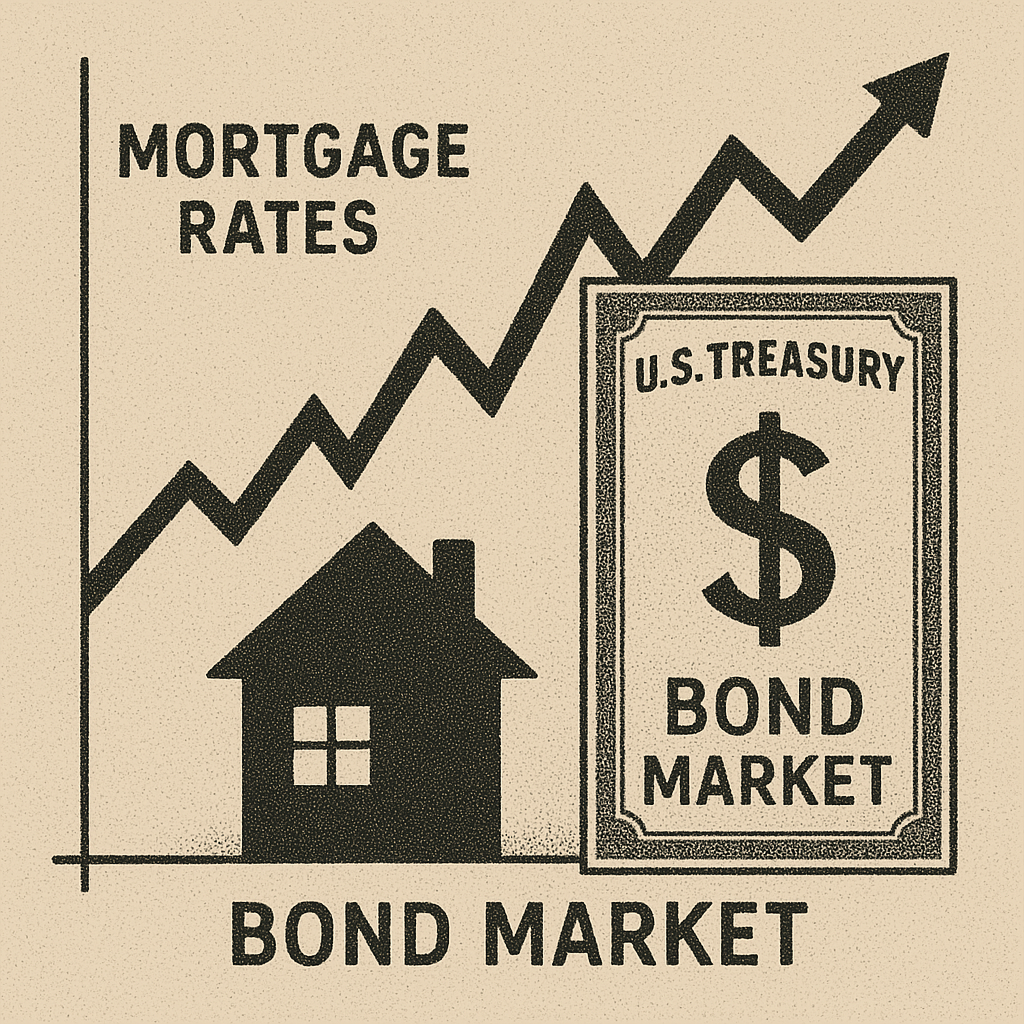
Fixed mortgage rates track the bond market, not the Fed’s short-term setting. In particular, they often move with the 10-year U.S. Treasury yield and the pricing of mortgage-backed securities (MBS). Investors demand a certain return to hold long-dated assets. If they expect:
- Higher inflation → they demand higher yields → mortgage rates tend to rise.
- Stronger growth (solid jobs, spending) → higher yields → higher mortgage rates.
- Slowing growth or lower inflation → yields can fall → mortgage rates may ease.
In short, mortgage rates reflect the market’s collective outlook for inflation and growth over many years—not just next month’s Fed meeting.
Why a Fed Cut Might Not Lower Your Mortgage Rate
Imagine the Fed cuts because growth is cooling. If investors think inflation will still be sticky, or government borrowing needs are large, they may keep demanding higher long-term yields. Result: 30-year mortgage rates may stay elevated even after a cut. Conversely, if inflation expectations fall and recession odds rise, long-term yields can decline—with or without a fresh Fed move.
Where a Fed Cut Does Help: HELOCs & ARMs
HELOCs and many adjustable-rate loans reference short-term benchmarks that respond more directly to Fed policy. If you’re planning renovations, consolidating debt, or need flexible access to equity, a lower Fed funds rate can translate into meaningfully lower HELOC payments.
Smart Moves for Phoenix Buyers & Owners
- Don’t wait indefinitely for the “perfect” rate. Phoenix is a mosaic of micro-markets; the right home and location often matter more than chasing a quarter-point.
- Focus on payment and timeline. If rates fall later, refinancing can reset your cost of funds.
- Compare loan types. Depending on your horizon, a well-structured ARM could make sense; for others, a fixed term offers peace of mind.
- Consider a HELOC for projects. Fed cuts tend to help here first.
- Use local comps. Our valley has distinct submarkets—run hyper-local comps to protect your negotiating position.
FAQs: Fed Cuts & Mortgage Rates
Do Fed rate cuts lower mortgage rates?
Not directly. The Fed sets a short-term overnight rate. 30-year mortgage rates respond more to the bond market’s view on inflation and growth.
Which loans benefit most from Fed cuts?
Short-term and variable-rate products—like credit cards and HELOCs—tend to adjust faster than long-term fixed mortgages.
What drives 30-year mortgage rates?
The 10-year Treasury yield, investor demand for MBS, inflation expectations, employment data, and global growth/risk sentiment.
Should I wait to buy until rates fall?
It depends on your goals and timing. You can refinance if rates drop, but missed opportunities or higher prices in your target neighborhood can outweigh a future rate improvement.
Questions? Call/Text 623-252-1424 or email jon.baer@dgpaz.com.