HUD Standards for Manufactured Home Financing: What You Need to Know
Buying or selling a manufactured home? Whether you're working with FHA, VA, or conventional financing, the HUD manufactured home foundation requirements play a pivotal role in the loan approval process. If you've ever wondered why some mobile homes are financeable and others aren't, this guide explains the nuts and bolts—literally and figuratively.
What Is a HUD-Compliant Manufactured Home?
A manufactured home, also known as a mobile home, is built in a factory and delivered to its site, typically in one or more sections. For a home to be eligible for federally backed loans—like FHA, VA, or USDA—it must meet HUD standards, set by the U.S. Department of Housing and Urban Development.
The key is that the home must be:
-
Built after June 15, 1976, with a visible HUD data plate (also called a certification label)
-
On a permanent foundation
-
Titled as real property (not personal property)
-
Located on land that is owned or being purchased with the home
Why Foundation Matters in Manufactured Home Financing
You can’t finance a manufactured home with FHA or VA backing unless the foundation is permanent and HUD-compliant. That’s where the HUD manufactured home foundation requirements come into play. If the home sits on piers, is moveable, or lacks proper anchoring, financing will likely be denied.
HUD Manufactured Home Foundation Requirements Explained
HUD defines a permanent foundation as one that is "constructed of durable materials; site-built; and affixed to the real property in such a way as to be resistant to movement, frost heave, and wind uplift."
Here’s what that looks like in practical terms:
1. Permanent Attachment to Land
The home must be permanently affixed to the land, not just sitting on blocks. This typically means:
-
Concrete footings and piers
-
Steel anchoring systems or tie-downs
-
Load-bearing perimeter skirting (not just decorative)
2. Foundation Certification
A professional engineer must inspect and certify the foundation using HUD guidelines. This is commonly referred to as a Permanent Foundation Certification. It’s required for all FHA and VA loans on manufactured homes.
The certification report will confirm that:
-
The home is properly anchored against wind and seismic activity
-
There is adequate ventilation and access to the crawl space
-
The foundation complies with local building codes and HUD standards
3. Crawl Space or Basement
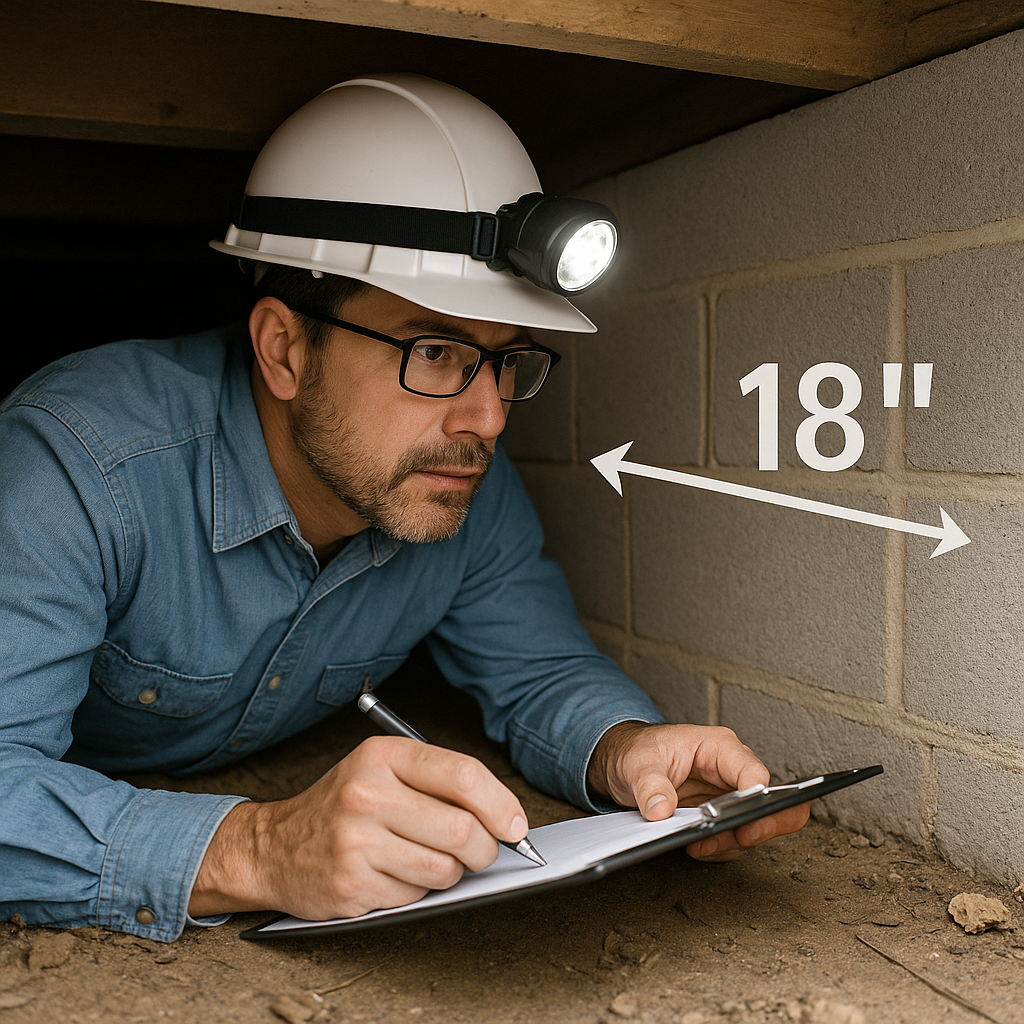
There must be a permanently enclosed crawl space or basement under the home. HUD requires:
-
Minimum crawl space clearance (typically 18 inches)
-
Proper drainage to prevent water intrusion
-
Access panel to inspect utilities and structure
4. Utilities and Infrastructure
All utilities—water, sewer, gas, and electric—must be permanently connected and in compliance with local and national codes.
Financing a Manufactured Home with HUD Standards in Place
FHA Loans
FHA allows financing of manufactured homes only if they’re on a HUD-compliant foundation. The borrower must also meet standard FHA credit and income guidelines. A structural engineer’s foundation certification is mandatory.
VA Loans
The Department of Veterans Affairs follows similar rules. The VA appraisal process will include a review of the foundation, and any deficiencies can delay or derail a loan unless corrected and re-certified.
Conventional Loans (Fannie Mae & Freddie Mac)
Some conventional lenders offer financing for manufactured homes, but they also require that the home meet HUD foundation standards. Often, lenders will follow FHA guidelines for simplicity.
What If the Foundation Doesn’t Meet HUD Requirements?
You have two options:
-
Retrofit the Foundation
Hire a contractor experienced in HUD-compliant foundations. After the work is done, get it certified by a licensed engineer. Costs can range from $3,500 to $10,000+, depending on the existing setup and local conditions. -
Seek Cash Buyers or Specialty Lenders
If upgrading the foundation isn’t feasible, you may be limited to selling for cash or working with a portfolio lender that does not follow FHA/VA guidelines.
Pro Tips for Buyers and Sellers
For Buyers:
-
Ask early: Always ask if the home has a HUD-compliant foundation and a prior certification report.
-
Budget for certification: If one isn't available, expect to pay $400–$700 for an engineer to inspect and certify.
-
Verify title: Make sure the home is legally classified as real property (not a DMV-titled vehicle).
For Sellers:
-
Get ahead of financing issues: If you're listing your manufactured home for sale, consider getting a foundation certification before putting it on the market.
-
Disclose land status: If the land is leased and not owned, financing options are extremely limited unless it's a HUD-approved leasehold.
Arizona Spotlight: HUD-Compliant Foundations in the Desert
If you’re in Phoenix, Anthem, Desert Hills, or rural areas like New River or Wittmann, be aware that older manufactured homes may sit on non-permanent supports or have outdated skirting. Upgrading to a HUD-compliant foundation can dramatically expand your buyer pool, especially if you're targeting FHA or VA buyers.
Also, not all local contractors understand the HUD process. It’s smart to work with professionals who have experience installing or retrofitting manufactured home foundations to federal standards.
Final Thoughts
Meeting HUD manufactured home foundation requirements isn’t just red tape—it’s the gateway to financing. Whether you’re buying your first manufactured home or preparing to sell one, understanding these standards can save you time, stress, and money.
Need help navigating manufactured home financing or connecting with a qualified foundation inspector in Arizona? Reach out—my team has experience with these unique transactions and can help you get it done right the first time.