Navigating The Phoenix Housing Market

Welcome to the official blog of Dominion Group Properties—your trusted resource for real estate news, market analysis, and expert guidance across Phoenix, Scottsdale, North Phoenix, Cave Creek, Carefree, and Anthem. Whether you're a home buyer, seller, investor, or planning a relocation within the Valley, our blog delivers timely content to keep you informed.

What We Cover

  • Local Market Trends & Housing Reports: Stay updated with monthly insights on inventory, pricing, and market shifts in Phoenix and the North Valley.
  • Home Buying & Selling Strategies: From financing manufactured homes to pricing historic properties, our articles cover every step of the process.
  • Community & Development News: Learn about upcoming neighborhoods like Desert Hills, emerging job centers, and how primed areas are shaping investment opportunities.
  • Property Management & Landlord Tips: Make informed decisions whether you're leasing, investing, or managing a residential property in Arizona.

Why Our Blog Stands Out

  • Content anchored in real-world market data and local expertise across Phoenix Metro and surrounding regions.
  • Written and curated by Jonathan Baer—broker, licensed loan officer, and real estate advisor with over 30 years’ experience and $240 million in closed transactions in Maricopa County.
  • Blog topics tailored for actionable insights, whether flipping a home in Cave Creek, planning a move to Anthem, or financing a manufactured home in Phoenix.

Bookmark this page and check back regularly for fresh updates, expert commentary, and smart strategies for navigating Arizona’s dynamic real estate market.

About the Author:
Jonathan Baer, Designated Broker and Real Estate Wealth Advisor at Dominion Group Properties, has completed over 1,000 transactions worth more than $240 million across Arizona.


Learn More About Jonathan Baer

March 13, 2024

First Time Home Seller Tips in the Phoenix Market


Selling your home for the first time can be an overwhelming experience, especially in a dynamic market like Phoenix. With its growing population and diverse real estate landscape, navigating the process requires careful planning and strategic decision-making. Whether you're a seasoned homeowner or a first-time seller, this guide will provide you with valuable tips and insights to ensure a successful sale in the Phoenix market.

Understanding the Phoenix Real Estate Market

Before diving into the selling process, it's essential to have a solid understanding of the Phoenix real estate market. Phoenix has experienced significant growth in recent years, fueled by factors such as job opportunities, affordable housing, and a favorable climate. According to data from the National Association of Realtors, the median home price in Phoenix increased by X% in the past year alone, making it an attractive market for sellers.

However, the Phoenix market is also highly competitive, with many factors influencing property values and selling timelines. Factors such as location, property condition, and market trends can all impact your selling experience. Therefore, it's crucial to do your research and work with a knowledgeable real estate agent who understands the intricacies of the local market.

Preparing Your Home for Sale

First impressions matter when it comes to selling your home. To attract potential buyers and maximize your selling price, it's essential to prepare your home for sale effectively. Clear out any clutter and personal items to make your home appear more spacious and neutral. The exterior of your home is the first thing buyers will see, so make sure it looks inviting. Consider landscaping improvements, fresh paint, and minor repairs to boost curb appeal and make a positive first impression.

Address any maintenance issues or cosmetic flaws before listing your home for sale. From leaky faucets to chipped paint, small details can make a big difference in how your home is perceived by buyers. Staging can help showcase your home's potential and highlight its best features. Whether you hire a professional stager or DIY, aim to create a welcoming and visually appealing environment that resonates with buyers. Invest in professional photography to capture your home in its best light and make your listing stand out from the competition.

Setting the Right Price

Pricing your home correctly is critical to a successful sale. In a hot market like Phoenix, pricing too high can deter potential buyers, while pricing too low could leave money on the table. Look at recent sales of similar homes in your area to get an idea of market value. Your real estate agent can provide a comparative market analysis (CMA) to help you determine the appropriate listing price. Take into account current market trends, such as inventory levels and buyer demand, when setting your price. In a seller's market like Phoenix, you may have more leverage to price slightly higher.

Marketing Your Home

Once your home is ready to list, it's time to market it to potential buyers. In today's digital age, having a comprehensive marketing strategy is essential for reaching a wide audience. Partner with your real estate agent to create compelling online listings that highlight your home's features and amenities. Leverage social media platforms like Facebook, Instagram, and Twitter to promote your listing to a broader audience. Share photos, videos, and updates about your home to generate interest and engagement.

Host open houses and virtual tours to give potential buyers an opportunity to see your home in person or online. Spread the word about your home sale to friends, family, and colleagues who may know potential buyers. Personal referrals can be a powerful tool for generating interest in your property.

Navigating the Selling Process

Once you start receiving offers on your home, it's important to navigate the selling process carefully to ensure a smooth transaction. Evaluate each offer you receive based on factors such as price, contingencies, and buyer qualifications. Be aware of any contingencies included in the offer, such as financing or home inspections. Work with your agent to address these contingencies and keep the transaction on track. Disclose any known issues or defects with your property to potential buyers upfront. Schedule home inspections and appraisals as required by the sales contract. Address any issues that arise during the inspection process and work with the buyer to ensure a smooth appraisal.

Once all contingencies have been satisfied, and the necessary paperwork is in order, it's time to close the sale. Work with your real estate agent and closing agent to finalize the transaction and transfer ownership of the property.

Conclusion

Selling your home for the first time can be a challenging yet rewarding experience, especially in a competitive market like Phoenix. By following the tips outlined in this guide and working with a knowledgeable real estate agent, you can navigate the selling process with confidence and achieve a successful outcome. Remember to do your research, prepare your home effectively, and stay proactive throughout the process to maximize your chances of a smooth and profitable sale.
March 12, 2024

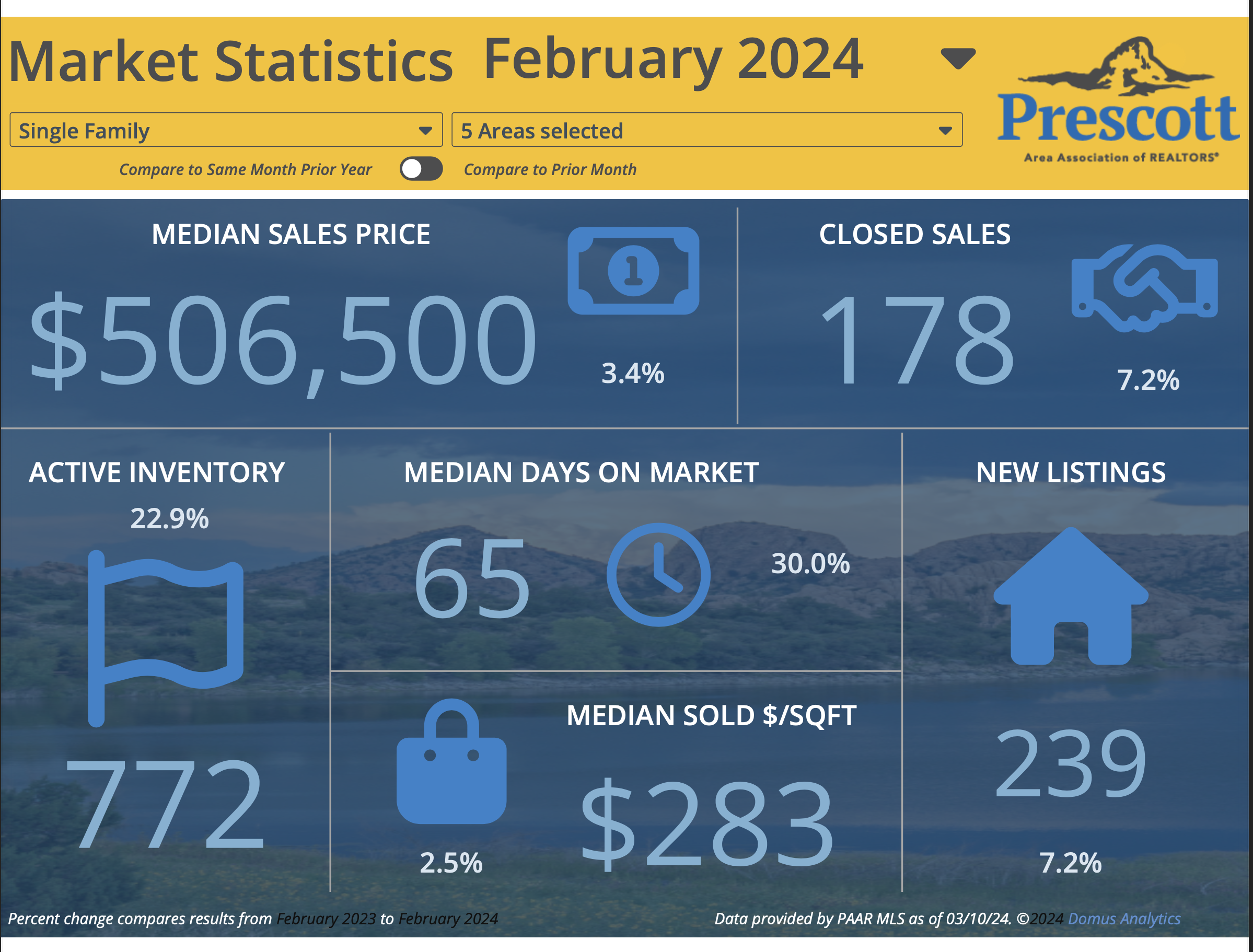
Prescott and Surrounding Areas Market Statistics February of 2024

Prescott Area Market Stats

Posted in Market Updates
March 11, 2024

What To Know About Credit Scores Before Buying a Home

What To Know About Credit Scores Before Buying a Home


If you want to buy a home, you should know your credit score is a critical piece of the puzzle when it comes to qualifying for a mortgage. Lenders review your credit to see if you typically make payments on time, pay back debts, and more. Your credit score can also help determine your mortgage rate. An article from US Bank explains:

“A credit score isn’t the only deciding factor on your mortgage application, but it’s a significant one. So, when you’re house shopping, it’s important to know where your credit stands and how to use it to get the best mortgage rate possible.”

That means your credit score may feel even more important to your homebuying plans right now since mortgage rates are a key factor in affordability. According to the Federal Reserve Bank of New York, the median credit score in the U.S. for those taking out a mortgage is 770. But that doesn’t mean your credit score has to be perfect. The same article from US Bank explains:

“Your credit score (commonly called a FICO Score) can range from 300 at the low end to 850 at the high end. A score of 740 or above is generally considered very good, but you don’t need that score or above to buy a home.”

Working with a trusted lender is the best way to get more information on how your credit score could factor into your home loan and the mortgage rate you’re able to get. As FICO says:

“While many lenders use credit scores like FICO Scores to help them make lending decisions, each lender has its own strategy, including the level of risk it finds acceptable. There is no single “cutoff score” used by all lenders and there are many additional factors that lenders may use to determine your actual interest rates.”

If you’re looking for ways to improve your score, Experian highlights some things you may want to focus on:

  • Your Payment History: Late payments can have a negative impact by dropping your score. Focus on making payments on time and paying any existing late charges quickly.
  • Your Debt Amount (relative to your credit limits): When it comes to your available credit amount, the less you’re using, the better. Focus on keeping this number as low as possible.
  • Credit Applications: If you’re looking to buy something, don’t apply for additional credit. When you apply for new credit, it could result in a hard inquiry on your credit that drops your score.

Bottom Line

Finding ways to make your credit score better could help you get a lower mortgage rate. If you want to learn more, talk to a trusted lender.

March 11, 2024

Selling Multi-Family Properties in Phoenix: A Detailed Guide


Phoenix, Arizona, is a hotbed for real estate investment, especially in multi-family properties. With its booming economy, rapid population growth, and favorable climate, Phoenix presents an attractive opportunity for investors looking to capitalize on the rental market. However, selling multi-family properties in Phoenix requires a strategic approach to ensure maximum returns on investment. In this comprehensive guide, we'll delve into the intricacies of selling multi-family properties in Phoenix and provide valuable insights to help you navigate this dynamic market successfully.

Understanding the Phoenix Multi-Family Market

Before diving into the specifics of selling multi-family properties in Phoenix, it's essential to have a solid understanding of the local market dynamics. Phoenix has experienced significant population growth in recent years, driven by factors such as job opportunities, affordable housing, and a desirable lifestyle. As a result, the demand for rental properties, including multi-family units, has surged.

According to recent data from the U.S. Census Bureau, Phoenix is among the fastest-growing cities in the United States, with a population increase of over 11% between 2010 and 2020. This population growth has led to increased demand for housing, particularly in the rental sector. Additionally, Phoenix boasts a diverse economy with thriving industries such as technology, healthcare, and tourism, further fueling the demand for rental properties.

Preparing Your Multi-Family Property for Sale

To maximize the value of your multi-family property and attract potential buyers, it's crucial to ensure that it is in top condition before listing it for sale. Start by conducting a thorough inspection of the property to identify any maintenance issues or necessary repairs. Addressing these issues upfront will not only enhance the property's curb appeal but also instill confidence in prospective buyers.

Consider investing in cosmetic upgrades such as fresh paint, landscaping, and modern amenities to make your property more appealing to potential buyers. Additionally, gather essential documents related to the property, including financial records, leases, and any relevant permits or certificates. Having this information readily available will streamline the due diligence process for potential buyers and increase their confidence in the investment.

Determining the Right Pricing Strategy

Setting the right price for your multi-family property is crucial for attracting qualified buyers and maximizing your return on investment. Conduct a comparative market analysis (CMA) to assess the prices of similar properties in the area and determine the current market value of your property. Take into account factors such as location, property size, amenities, and rental income potential when pricing your property.

While it may be tempting to aim for the highest possible price, it's essential to remain realistic and competitive in your pricing strategy. Overpricing your property can deter potential buyers and prolong the selling process, ultimately resulting in lower offers. Work closely with a real estate agent who specializes in multi-family properties in the Phoenix market to develop a pricing strategy that aligns with current market conditions and maximizes your chances of a successful sale.

Marketing Your Multi-Family Property Effectively

Effective marketing is key to attracting qualified buyers and generating interest in your multi-family property. Leverage both online and offline channels to reach potential buyers and showcase the unique features and benefits of your property. Create professional listing photos and videos that highlight the property's curb appeal, interior amenities, and rental income potential.

Utilize online real estate platforms, social media, and email marketing to reach a broader audience of potential buyers. Consider hosting open houses or virtual tours to allow prospective buyers to experience the property firsthand. Additionally, network with local real estate professionals, investors, and property managers to tap into their networks and reach qualified buyers.

Negotiating the Sale

Once you receive offers on your multi-family property, it's time to negotiate the terms of the sale. Work closely with your real estate agent to review each offer carefully and consider factors such as the purchase price, financing contingencies, and closing timeline. Be prepared to negotiate with buyers to reach a mutually beneficial agreement that meets your financial objectives and minimizes potential risks.

During the negotiation process, maintain open communication with prospective buyers and be willing to compromise on certain terms to keep the deal moving forward. Keep in mind that selling multi-family properties in Phoenix is a dynamic process, and flexibility is key to achieving a successful outcome. Work with experienced professionals, such as real estate attorneys and financial advisors, to navigate the complexities of the negotiation process and ensure a smooth transaction.

Closing the Deal

Once you've reached an agreement with a buyer, it's time to finalize the sale and close the deal. Work closely with your real estate agent and legal counsel to ensure that all necessary documents are prepared and executed correctly. Conduct a final walkthrough of the property to verify its condition and address any last-minute concerns before the closing date.

During the closing process, be prepared to coordinate with various parties involved, including the buyer, seller, lenders, and title company, to facilitate a seamless transaction. Ensure that all financial obligations, such as closing costs and prorated taxes, are settled according to the terms of the purchase agreement. Finally, celebrate the successful sale of your multi-family property and transition ownership to the new buyer with confidence.

Conclusion

Selling multi-family properties in Phoenix offers lucrative opportunities for investors, but it requires careful planning, strategic marketing, and effective negotiation skills to achieve success. By understanding the local market dynamics, preparing your property for sale, pricing it competitively, and leveraging effective marketing strategies, you can attract qualified buyers and maximize your return on investment. With the right approach and support from experienced professionals, you can navigate the selling process with confidence and achieve your financial goals in the dynamic Phoenix real estate market.

Sources:

  1. U.S. Census Bureau - https://www.census.gov/
  2. National Association of Realtors - https://www.nar.realtor/
  3. Arizona Department of Real Estate - https://azre.gov/
March 10, 2024

The First Step: Getting Pre-Approved for a Mortgage

The First Step: Getting Pre-Approved for a Mortgage [INFOGRAPHIC]


a screenshot of a website

Some Highlights

Posted in Home Buying
March 9, 2024

The Importance of Energy Efficiency in Phoenix Home Sales


In the bustling real estate market of Phoenix, Arizona, where scorching summers are the norm, homebuyers are increasingly prioritizing energy efficiency. As the world grapples with climate change and rising energy costs, the demand for homes that offer sustainable solutions has never been higher. In this blog, we'll delve into why energy efficiency is paramount in Phoenix home sales, exploring its benefits for homeowners, the environment, and the local economy.

Understanding Energy Efficiency in Phoenix Homes

Phoenix, renowned for its desert climate, experiences intense heatwaves during the summer months. With temperatures often soaring above 100 degrees Fahrenheit, keeping homes cool becomes a costly affair. Traditional homes rely heavily on air conditioning, consuming significant amounts of electricity, which not only strains household budgets but also contributes to greenhouse gas emissions.

Energy-efficient homes, on the other hand, are designed to minimize energy consumption without sacrificing comfort. They incorporate various features such as high-efficiency HVAC systems, insulation, energy-efficient windows, and solar panels to reduce energy usage and utility bills. These homes are not only environmentally friendly but also offer long-term cost savings for homeowners.

Benefits of Energy Efficiency in Phoenix Home Sales

Cost Savings:

Energy-efficient homes in Phoenix can significantly lower utility bills, providing homeowners with substantial cost savings over time. With features like solar panels, homeowners can even generate their own electricity, further reducing reliance on the grid and mitigating the impact of rising energy costs.

Increased Home Value:

Studies have consistently shown that energy-efficient homes command higher resale values in the real estate market. According to research by the National Association of Home Builders, homes with energy-efficient features can appraise for up to 9% more than their non-efficient counterparts. In Phoenix's competitive housing market, this increase in home value can make a significant difference for sellers.

Enhanced Comfort and Quality of Life:

Energy-efficient homes provide superior comfort levels year-round. They maintain consistent temperatures, minimize drafts, and offer better indoor air quality, creating a healthier and more enjoyable living environment for occupants. In Phoenix, where extreme temperatures are a reality, the importance of such comfort cannot be overstated.

Environmental Sustainability:

By reducing energy consumption, energy-efficient homes help mitigate the environmental impact of residential buildings. They lower greenhouse gas emissions associated with electricity generation, contributing to efforts to combat climate change. In a city like Phoenix, where air conditioning demand peaks during the summer, the environmental benefits of energy-efficient homes are particularly significant.

The Role of Energy Efficiency in Phoenix's Future

As Phoenix continues to experience rapid population growth and urban development, the importance of energy efficiency will only increase. Local governments, developers, and homeowners alike must prioritize sustainable building practices to ensure the city's long-term resilience and environmental stewardship.

Government Incentives and Policies:

To promote energy efficiency in the housing sector, government agencies at the federal, state, and local levels offer various incentives and programs. These initiatives include tax credits, rebates, and financing options aimed at encouraging homeowners to invest in energy-saving upgrades. In Phoenix, where the demand for energy-efficient homes is high, such incentives play a crucial role in driving market adoption.

Real Estate Industry Integration:

Real estate professionals also play a vital role in promoting energy efficiency. By educating homebuyers about the benefits of energy-efficient homes and highlighting these features in property listings, agents can facilitate transactions that benefit both buyers and sellers. Moreover, integrating energy efficiency assessments into the homebuying process can help buyers make informed decisions and prioritize sustainable housing options.

Community Engagement and Education:

Community outreach and education initiatives are essential for fostering a culture of energy efficiency in Phoenix. Local organizations, nonprofits, and environmental groups can collaborate to provide resources, workshops, and outreach events aimed at raising awareness about energy-saving strategies and technologies. By empowering residents with the knowledge and tools to make sustainable choices, these efforts can drive widespread adoption of energy-efficient practices.

Conclusion

In the dynamic real estate landscape of Phoenix, energy efficiency has emerged as a crucial factor influencing home sales. From cost savings and increased home values to environmental sustainability and improved quality of life, the benefits of energy-efficient homes are undeniable. As Phoenix continues to grow and evolve, embracing energy efficiency will not only drive economic prosperity but also ensure a more sustainable future for generations to come.

In the quest for energy efficiency, every decision matters. Whether it's investing in solar panels, upgrading to energy-efficient appliances, or enhancing insulation, homeowners have the power to make a difference. By prioritizing energy efficiency in Phoenix home sales, we can build a more resilient, sustainable, and prosperous community for all.

Sources:

March 8, 2024

Why We Aren't Headed for a Housing Crash

Why We Aren't Headed for a Housing Crash


If you’re holding out hope that the housing market is going to crash and bring home prices back down, here’s a look at what the data shows. And spoiler alert: that’s not in the cards. Instead, experts say home prices are going to keep going up.

Today’s market is very different than it was before the housing crash in 2008. Here’s why.

It’s Harder To Get a Loan Now – and That’s Actually a Good Thing

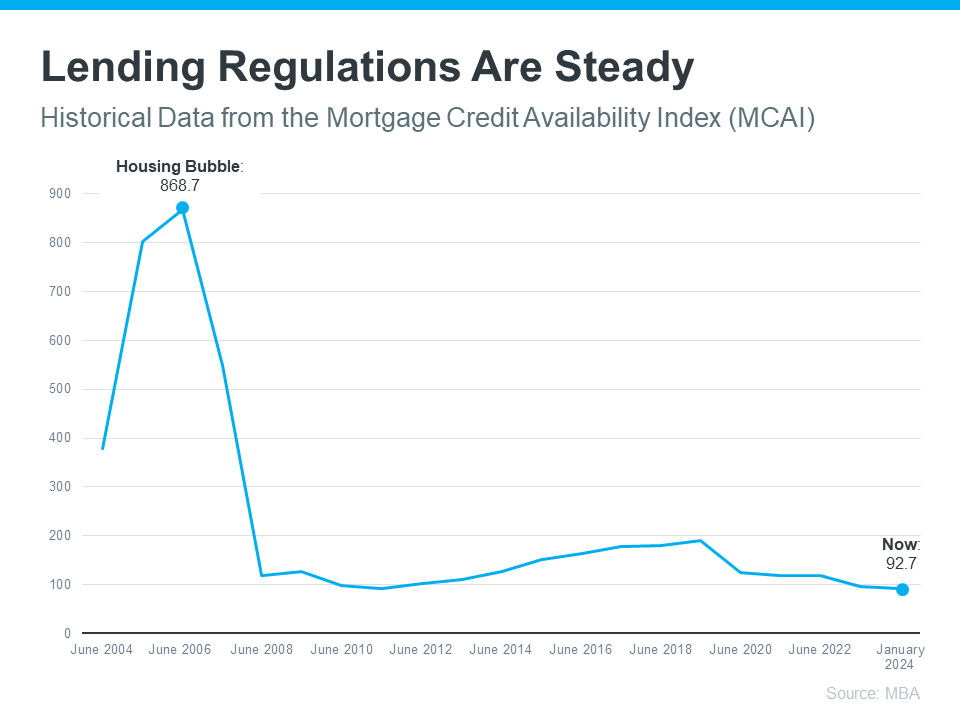
It was much easier to get a home loan during the lead-up to the 2008 housing crisis than it is today. Back then, banks had different lending standards, making it easy for just about anyone to qualify for a home loan or refinance an existing one.

Things are different today. Homebuyers face increasingly higher standards from mortgage companies. The graph below uses data from the Mortgage Bankers Association (MBA) to show this difference. The lower the number, the harder it is to get a mortgage. The higher the number, the easier it is:

a graph showing a line going up


The peak in the graph shows that, back then, lending standards weren’t as strict as they are now. That means lending institutions took on much greater risk in both the person and the mortgage products offered around the crash. That led to mass defaults and a flood of foreclosures coming onto the market.

There Are Far Fewer Homes for Sale Today, so Prices Won’t Crash

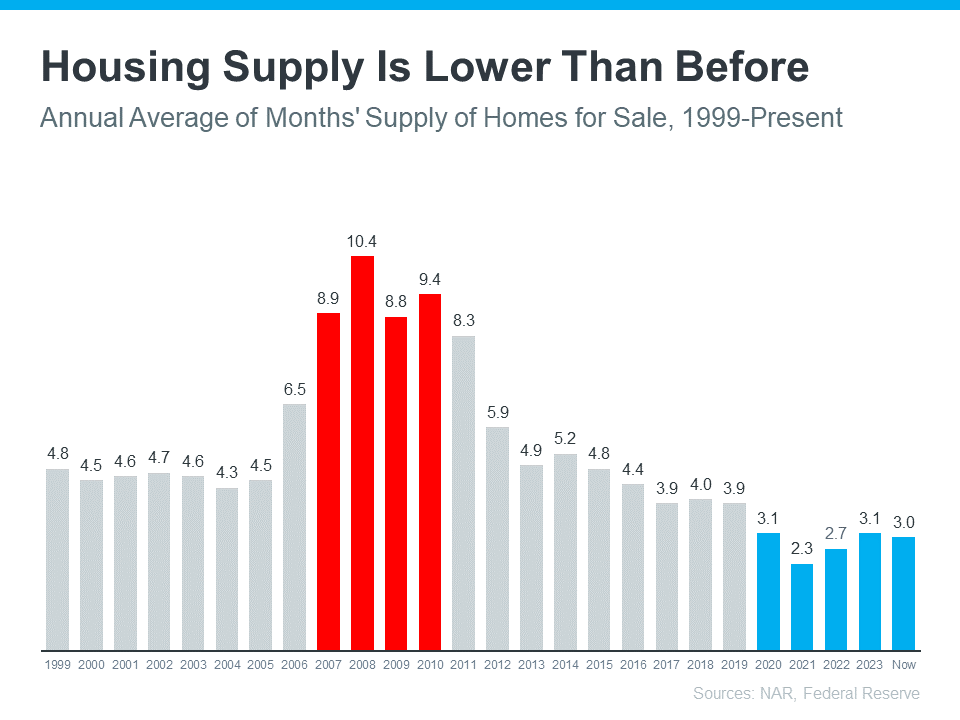
Because there were too many homes for sale during the housing crisis (many of which were short sales and foreclosures), that caused home prices to fall dramatically. But today, there’s an inventory shortage – not a surplus.

The graph below uses data from the National Association of Realtors (NAR) and the Federal Reserve to show how the months’ supply of homes available now (shown in blue) compares to the crash (shown in red):

a graph of a number of people


Today, unsold inventory sits at just a 3.0-months’ supply. That’s compared to the peak of 10.4 month’s supply back in 2008. That means there’s nowhere near enough inventory on the market for home prices to come crashing down like they did back then.

People Are Not Using Their Homes as ATMs Like They Did in the Early 2000s

Back in the lead up to the housing crash, many homeowners were borrowing against the equity in their homes to finance new cars, boats, and vacations. So, when prices started to fall, as inventory rose too high, many of those homeowners found themselves underwater.

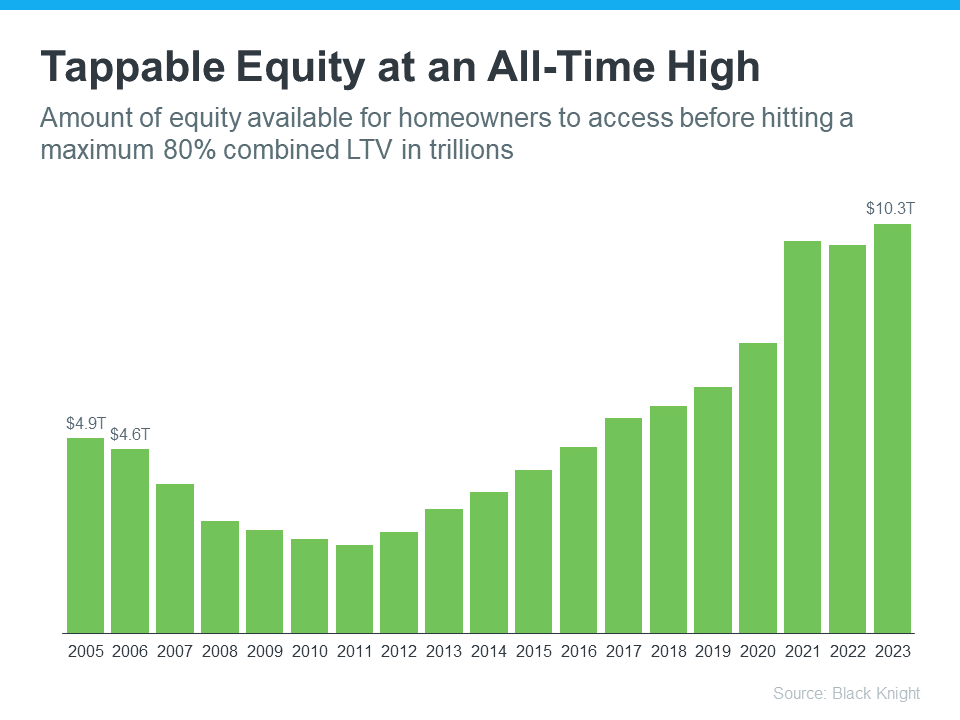
But today, homeowners are a lot more cautious. Even though prices have skyrocketed in the past few years, homeowners aren’t tapping into their equity the way they did back then.

Black Knight reports that tappable equity (the amount of equity available for homeowners to access before hitting a maximum 80% loan-to-value ratio, or LTV) has actually reached an all-time high:

 a graph of a growing graph


That means, as a whole, homeowners have more equity available than ever before. And that’s great. Homeowners are in a much stronger position today than in the early 2000s. That same report from Black Knight goes on to explain:

“Only 1.1% of mortgage holders (582K) ended the year underwater, down from 1.5% (807K) at this time last year.”

And since homeowners are on more solid footing today, they’ll have options to avoid foreclosure. That limits the number of distressed properties coming onto the market. And without a flood of inventory, prices won’t come tumbling down. 

Bottom Line

While you may be hoping for something that brings prices down, that’s not what the data tells us is going to happen. The most current research clearly shows that today’s market is nothing like it was last time.

Posted in Market Updates
March 8, 2024

Selling Homes with Pools in the Phoenix Market


When it comes to selling homes in Phoenix, there's one feature that can make a splash like no other: a pool. In the Valley of the Sun, where scorching summers are the norm and outdoor living is a way of life, having a pool can significantly enhance a property's appeal. In this blog, we'll explore why pools are such a hot commodity in the Phoenix real estate market and how sellers can leverage this feature to maximize their property's value.

Embracing the Desert Oasis Lifestyle

Phoenix residents know that summer temperatures can soar well into the triple digits. In such a climate, having a backyard oasis to retreat to becomes not just a luxury but a necessity. A pool offers a refreshing escape from the heat, providing homeowners with a private sanctuary where they can cool off, relax, and entertain friends and family.

Year-Round Enjoyment

While many parts of the country only get to enjoy their pools for a few months out of the year, Phoenix residents can take advantage of their pools nearly year-round. With mild winters and plenty of sunshine, even the cooler months are conducive to outdoor swimming and lounging by the poolside. This extended pool season adds tremendous value to homes with pools in the Phoenix market, making them desirable investments for buyers seeking an outdoor lifestyle.

Boosting Property Value

It's no secret that homes with pools command higher prices in the Phoenix market. According to local real estate experts, a well-maintained pool can increase a home's value by as much as 7-10%. This means that sellers who invest in a pool can not only recoup their initial investment but also potentially turn a tidy profit when it comes time to sell.

Attracting Buyers

When listing a home with a pool, sellers automatically widen their pool of potential buyers. Many house hunters in Phoenix specifically search for properties with pools, viewing them as must-have amenities rather than optional extras. By including a pool in their listing, sellers can attract more attention from motivated buyers who are willing to pay a premium for the added luxury and convenience.

Marketing Your Pool

To effectively market a home with a pool in the Phoenix market, sellers should highlight this feature in their listing materials. Professional photos and videos showcasing the pool area in its best light can capture buyers' imaginations and make them eager to see more. Sellers can also emphasize the low-maintenance aspects of modern pool systems, assuring buyers that they can enjoy all the benefits of pool ownership without the hassle.

Enhancing Curb Appeal

A well-maintained pool can greatly enhance a home's curb appeal, creating a visually striking focal point in the backyard. By investing in landscaping, lighting, and outdoor furniture, sellers can transform their pool area into an inviting outdoor oasis that beckons potential buyers to imagine themselves relaxing in the sun-drenched paradise.

Addressing Buyer Concerns

While pools are undeniably attractive to many buyers, some may have concerns about safety, maintenance, and operating costs. Sellers can ease these concerns by providing information about safety features such as pool fences and alarms, as well as offering insights into the cost of routine maintenance and utilities. By addressing these concerns upfront, sellers can reassure buyers that owning a home with a pool is not only enjoyable but also manageable.

Working with a Real Estate Professional

Selling a home with a pool in the Phoenix market requires a nuanced approach that takes into account local market dynamics, buyer preferences, and seasonal trends. To navigate this process successfully, sellers should consider partnering with a real estate professional who has experience selling properties with pools in the area. An experienced agent can provide valuable insights, marketing expertise, and negotiation skills to help sellers achieve their goals and maximize their returns.

Conclusion

In the Phoenix real estate market, a pool isn't just a feature – it's a lifestyle. Homes with pools offer an unparalleled opportunity for buyers to embrace outdoor living, beat the heat, and enjoy year-round relaxation and entertainment. By understanding the unique appeal of pools in the Phoenix market and leveraging this feature effectively, sellers can attract motivated buyers, command higher prices, and achieve greater success in selling their homes. So, if you're thinking about selling your home in Phoenix, why not make a splash with a pool?

March 7, 2024

The Power of Curb Appeal in Phoenix's Competitive Market. Include links to sources


Introduction: In the bustling real estate market of Phoenix, Arizona, where neighborhoods are as diverse as the desert landscape itself, the importance of curb appeal cannot be overstated. As sellers aim to make their properties stand out in a sea of listings, investing in enhancing curb appeal becomes a strategic move. From manicured lawns to eye-catching exteriors, every detail plays a significant role in attracting potential buyers and maximizing property value.

Understanding Curb Appeal: Curb appeal refers to the attractiveness of a property when viewed from the street. It encompasses various elements such as landscaping, exterior design, and overall maintenance. In a competitive market like Phoenix, where buyers have plenty of options, curb appeal serves as the first impression, influencing a potential buyer's perception of the property even before stepping foot inside.

Importance of Curb Appeal in Phoenix's Market:

  1. Distinctive Neighborhoods: Phoenix boasts a diverse range of neighborhoods, each with its own charm and character. Enhancing curb appeal helps properties blend seamlessly with the aesthetic of their surroundings, making them more appealing to buyers seeking a sense of community and belonging.

  2. High Demand: With its sunny climate, thriving economy, and vibrant cultural scene, Phoenix attracts a steady influx of newcomers looking to settle down. In such a high-demand market, homes with strong curb appeal have a competitive edge, often commanding higher prices and selling faster than those lacking visual appeal.

  3. Maximizing Property Value: Investing in curb appeal is an investment in the overall value of the property. According to studies, homes with well-maintained exteriors and landscaping can see a significant increase in their perceived value, translating into higher resale value and returns on investment.

Strategies for Enhancing Curb Appeal:

  1. Landscape Design: In the arid climate of Phoenix, xeriscaping—a landscaping method that conserves water through the use of drought-tolerant plants and materials—is not only environmentally friendly but also visually striking. Incorporating native plants, gravel pathways, and succulent gardens can add texture and color to the exterior, creating a welcoming atmosphere.

  2. Exterior Upgrades: Updating the exterior of a property can instantly elevate its curb appeal. Simple enhancements such as fresh paint, modern light fixtures, and stylish front doors can breathe new life into an otherwise mundane facade. Additionally, paying attention to details like clean windows, well-maintained roofing, and manicured hedges can make a world of difference in how a property is perceived.

  3. Outdoor Living Spaces: With Phoenix's mild winters and abundant sunshine, outdoor living spaces are highly desirable among homeowners. Investing in features like patios, pergolas, and fire pits not only expands the usable square footage of a property but also creates an inviting environment for entertaining and relaxation.

  4. Street View Optimization: In today's digital age, where the majority of homebuyers begin their search online, optimizing street view imagery is essential. Ensuring that the exterior of the property looks appealing in online photographs can significantly increase its visibility and attract more potential buyers.

Case Studies:

  1. Before and After Transformation: Highlighting a real-life example of a property that underwent a curb appeal makeover can provide readers with tangible evidence of the impact such enhancements can have on a home's marketability and value.

  2. Success Stories: Sharing success stories of homeowners who invested in curb appeal and reaped the rewards—whether through a quick sale, multiple offers, or a significant increase in property value—can serve as inspiration for readers contemplating similar improvements.

Conclusion: In the competitive real estate market of Phoenix, enhancing curb appeal is not just a suggestion but a necessity for homeowners looking to maximize their property's potential. From landscaping to exterior upgrades, every investment made in enhancing curb appeal pays dividends in attracting buyers, increasing property value, and ultimately securing a successful sale. By understanding the power of curb appeal and implementing strategic enhancements, homeowners can position their properties for success in Phoenix's dynamic market landscape.

Sources:

  1. National Association of Realtors. (n.d.). Curb Appeal: How Landscaping and Exterior Upgrades Can Boost Your Home’s ROI.
  2. HGTV. (n.d.). Boost Curb Appeal on a Budget.
  3. Houzz. (n.d.). How to Make Your Home’s Exterior More Inviting.
March 6, 2024

Why Today’s Housing Supply Is a Sweet Spot for Sellers

Why Today’s Housing Supply Is a Sweet Spot for Sellers


Wondering if it still makes sense to sell your house right now? The short answer is, yes. And if you look at the current number of homes for sale, you’ll see two reasons why.

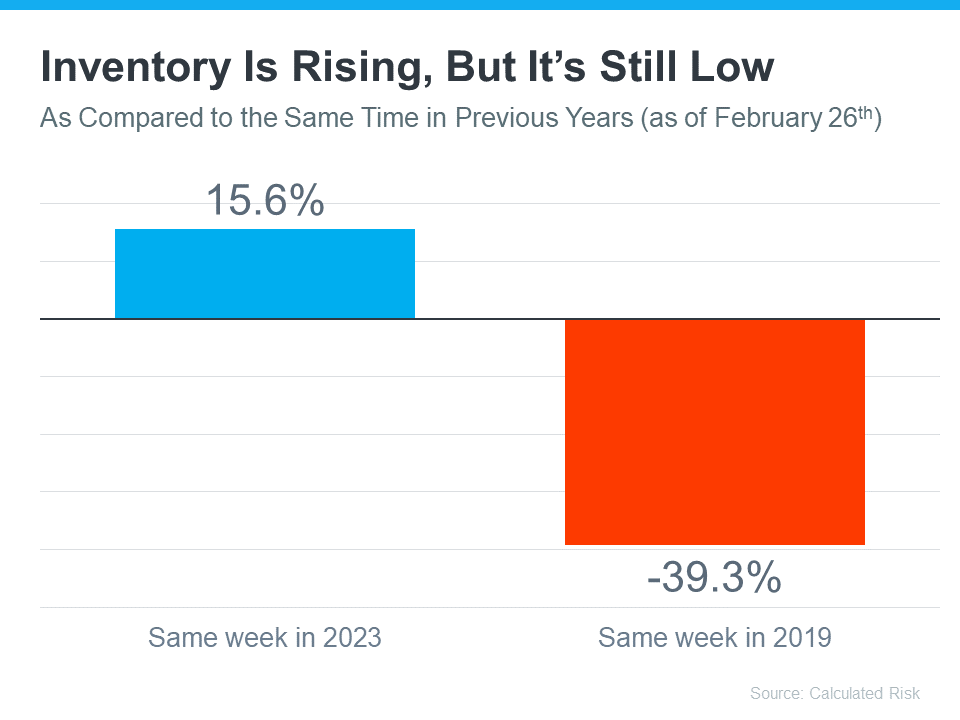
An article from Calculated Risk shows there are 15.6% more homes for sale now compared to the same week last year. That tells us inventory has grown. But going back to 2019, the last normal year in the housing market, there are nearly 40% fewer homes available now:

a graph with red and blue squares


Here’s a breakdown of how this benefits you when you sell.

1. You Have More Options for Your Move

Are you thinking about selling because your current house is too big, too small, or because your needs have changed? If so, the year-over-year growth gives you more options for your home search. That means it may be less of a challenge to find what you’re looking for.

So, if you were holding off on selling because you were worried you weren’t going to find a home you like, this may be just the good news you needed. Partnering with a local real estate professional can help you make sure you’re up to date on the homes available in your area.

2. You Still Won’t Have Much Competition When You Sell

But to put that into perspective, even though there are more homes for sale now, there still aren’t as many as there’d be in a normal year. Remember, the data from Calculated Risk shows we’re down nearly 40% compared to 2019. And that large a deficit won't be solved overnight. As a recent article from Realtor.com explains:

“. . . the number of homes for sale and new listing activity continues to improve compared to last year. However the inventory of homes for sale still has a long journey back to pre-pandemic levels.”

For you, that means if you work with an agent to price your house right, it should still get a lot of attention from eager buyers and could sell fast.

Bottom Line

If you're a homeowner looking to sell, now's a good time. You'll have more options when buying your next home, and there's still not a ton of competition from other sellers. If you’re ready to move, let’s connect to get the ball rolling.

Posted in Home Selling