Navigating The Phoenix Housing Market

Welcome to the official blog of Dominion Group Properties—your trusted resource for real estate news, market analysis, and expert guidance across Phoenix, Scottsdale, North Phoenix, Cave Creek, Carefree, and Anthem. Whether you're a home buyer, seller, investor, or planning a relocation within the Valley, our blog delivers timely content to keep you informed.

What We Cover

  • Local Market Trends & Housing Reports: Stay updated with monthly insights on inventory, pricing, and market shifts in Phoenix and the North Valley.
  • Home Buying & Selling Strategies: From financing manufactured homes to pricing historic properties, our articles cover every step of the process.
  • Community & Development News: Learn about upcoming neighborhoods like Desert Hills, emerging job centers, and how primed areas are shaping investment opportunities.
  • Property Management & Landlord Tips: Make informed decisions whether you're leasing, investing, or managing a residential property in Arizona.

Why Our Blog Stands Out

  • Content anchored in real-world market data and local expertise across Phoenix Metro and surrounding regions.
  • Written and curated by Jonathan Baer—broker, licensed loan officer, and real estate advisor with over 30 years’ experience and $240 million in closed transactions in Maricopa County.
  • Blog topics tailored for actionable insights, whether flipping a home in Cave Creek, planning a move to Anthem, or financing a manufactured home in Phoenix.

Bookmark this page and check back regularly for fresh updates, expert commentary, and smart strategies for navigating Arizona’s dynamic real estate market.

About the Author:
Jonathan Baer, Designated Broker and Real Estate Wealth Advisor at Dominion Group Properties, has completed over 1,000 transactions worth more than $240 million across Arizona.


Learn More About Jonathan Baer

March 6, 2024

Selling a Home Near Phoenix Universities: A Unique Market


Phoenix, Arizona, often referred to as the Valley of the Sun, is not just a city known for its scorching summers and breathtaking sunsets. It's also a vibrant hub of education, home to several prestigious universities. For homeowners looking to sell their property in this dynamic region, proximity to these educational institutions can be a significant selling point. In this blog post, we'll explore why selling a home near Phoenix universities presents a unique market opportunity, the benefits it offers to both buyers and sellers, and essential considerations for navigating this niche market.

The Appeal of Phoenix Universities

Phoenix boasts a diverse range of universities, each with its own strengths and specialties. From Arizona State University (ASU), the largest public university in the U.S. by enrollment, to private institutions like Grand Canyon University (GCU) and the University of Phoenix, there's a university to cater to every academic pursuit.

One of the primary draws for students attending these institutions is the vibrant campus life and the myriad of opportunities for academic and personal growth. As a result, demand for housing in close proximity to these universities is consistently high, making it an attractive market for sellers.

Benefits for Buyers

For prospective buyers, purchasing a home near a university offers several compelling advantages:

  1. Convenience: Living near campus reduces commute times, allowing students to spend more time studying or participating in extracurricular activities.

  2. Community: University neighborhoods often have a lively atmosphere, with plenty of amenities catering to students' needs, such as restaurants, cafes, and recreational facilities.

  3. Investment Potential: Properties near universities tend to retain their value well and may even appreciate over time, making them a sound investment opportunity.

  4. Rental Income: Many homeowners in university neighborhoods choose to rent out their properties to students, providing a steady source of rental income.

Benefits for Sellers

Selling a home near a Phoenix university also presents numerous benefits for sellers:

  1. High Demand: Properties in university neighborhoods typically experience high demand, leading to shorter listing times and potentially multiple offers.

  2. Competitive Pricing: With strong demand from buyers, sellers may be able to command competitive prices for their properties.

  3. Attractive Amenities: Proximity to universities means easy access to cultural events, sports facilities, and other amenities, which can be highlighted to attract potential buyers.

  4. Targeted Marketing: Sellers can tailor their marketing efforts to appeal to students, faculty, and staff looking for housing options near the university.

Navigating the Market

While selling a home near Phoenix universities offers many advantages, navigating this unique market requires careful planning and consideration. Here are some essential tips for sellers:

  1. Know Your Audience: Understand the demographics of potential buyers, whether they're students, faculty, or staff, and tailor your marketing strategy accordingly.

  2. Highlight Proximity: Emphasize the convenience of living near the university, including walking distance to campus, public transportation options, and nearby amenities.

  3. Showcase Features: Highlight any features of your property that would appeal to university residents, such as study spaces, high-speed internet access, or proximity to campus facilities.

  4. Consider Seasonality: Keep in mind that the real estate market near universities may fluctuate based on the academic calendar, with peak demand during the start of the school year and lower demand during breaks.

  5. Work with a Local Expert: Partner with a real estate agent who has experience selling properties near Phoenix universities and understands the unique dynamics of this market.

In conclusion, selling a home near Phoenix universities offers a unique market opportunity characterized by high demand, competitive pricing, and attractive amenities. By understanding the needs and preferences of university residents and employing targeted marketing strategies, sellers can maximize the value of their properties in this dynamic market.

Sources:

  1. Arizona State University: https://www.asu.edu/
  2. Grand Canyon University: https://www.gcu.edu/
  3. University of Phoenix: https://www.phoenix.edu/
  4. "The Impact of Universities on Local Housing Markets"

March 5, 2024

The Art of Selling Older Homes in Phoenix


In the heart of the Sonoran Desert lies Phoenix, Arizona, a city where the blend of modernity and tradition is as vibrant as its sunsets. With its rich history, Phoenix boasts a treasure trove of older homes, each with its own story to tell. Selling these homes requires a delicate balance of preservation, renovation, and strategic marketing. In this guide, we delve into the art of selling older homes in Phoenix, offering insights and strategies to navigate this unique real estate market.

Understanding the Appeal of Older Homes in Phoenix

Older homes in Phoenix carry a distinct charm that resonates with many buyers. From the historic neighborhoods of Roosevelt and Encanto to the mid-century gems of Arcadia and North Central, these homes exude character and craftsmanship that is often unmatched by newer constructions. Understanding the appeal of these homes is crucial in effectively marketing them to potential buyers.

Preservation and Restoration: Honoring the Past

Preserving the historical integrity of older homes is essential in maintaining their allure. Before listing a property, sellers should assess its historical significance and take steps to protect its architectural features. This may involve restoring original elements such as hardwood floors, crown moldings, or vintage fixtures. Collaborating with preservation experts and local historical societies can provide valuable guidance in this process.

Renovation and Modernization: Updating for Today's Lifestyle

While preserving historical features is important, it's equally essential to update older homes to meet the needs and preferences of modern buyers. Renovations should focus on enhancing functionality and comfort while preserving the home's unique character. This might include updating kitchens and bathrooms, improving energy efficiency, or adding modern amenities such as smart home technology. Striking the right balance between preservation and modernization is key to maximizing the home's appeal.

Highlighting Neighborhood Character and Amenities

In addition to the individual charm of older homes, the surrounding neighborhood plays a significant role in attracting buyers. Phoenix is home to a diverse array of historic districts, each with its own distinct character and amenities. From tree-lined streets and historic landmarks to vibrant cultural scenes and local businesses, showcasing the neighborhood's unique appeal can greatly enhance the desirability of a property. Utilizing professional photography and immersive virtual tours can effectively highlight these features and create an emotional connection with potential buyers.

Tapping into Nostalgia and Storytelling

Every older home has a story to tell, and tapping into this narrative can be a powerful marketing tool. Whether it's the former residents who shaped the neighborhood or the architectural styles that define its character, sharing these stories can evoke nostalgia and create a sense of belonging for prospective buyers. Incorporating storytelling into listing descriptions, social media campaigns, and open house events can help differentiate a property and resonate with buyers seeking a connection to the past.

Strategic Pricing and Positioning

Pricing older homes in Phoenix requires a nuanced approach that takes into account both their historical significance and modern amenities. Sellers should conduct thorough market research to understand the pricing dynamics of their neighborhood and consult with experienced real estate agents to determine an appropriate listing price. Positioning the home effectively in the market, emphasizing its unique features and value proposition, can attract the right buyers and maximize selling potential.

Marketing Across Multiple Channels

In today's digital age, effective marketing is essential for reaching a wide audience of potential buyers. Sellers should utilize a combination of online and offline channels to showcase their property. This may include professional photography and videography, virtual tours, targeted social media advertising, and traditional print media. Leveraging the expertise of real estate professionals and digital marketing specialists can ensure maximum exposure and engagement for the listing.

Navigating the Transaction Process

Selling an older home in Phoenix involves navigating various legal, financial, and logistical considerations. From negotiating offers to navigating inspections and disclosures, sellers should work closely with experienced real estate agents and legal professionals to facilitate a smooth transaction process. Building trust and transparency with buyers, addressing any concerns or questions promptly, and providing comprehensive documentation can instill confidence and streamline the closing process.

Conclusion: Embracing the Timeless Appeal of Older Homes

In the dynamic real estate market of Phoenix, selling older homes requires a blend of preservation, renovation, and strategic marketing. By honoring the past while embracing the present, sellers can unlock the timeless appeal of these unique properties and create memorable experiences for buyers. With careful planning, creativity, and collaboration, mastering the art of selling older homes in Phoenix becomes not just a transaction, but a celebration of history, craftsmanship, and community.

Sources:

  1. National Association of Realtors (NAR)
  2. City of Phoenix Historic Preservation Office
  3. Arizona Preservation Foundation
  4. Phoenix Historic Neighborhoods Coalition
March 5, 2024

Pre-Sale Home Renovations That Pay Off in Phoenix


Are you looking to sell your home in Phoenix and want to maximize your return on investment (ROI)? One effective strategy to increase the value of your property is to undertake pre-sale home renovations. These renovations can make your home more attractive to potential buyers and ultimately lead to a higher selling price. In this blog post, we'll explore some of the top pre-sale home renovations that pay off in Phoenix, backed by research and expert opinions.

  1. Curb Appeal Enhancements: The first impression matters, especially in the competitive Phoenix real estate market. Investing in curb appeal enhancements can significantly increase your home's attractiveness to potential buyers. Consider projects such as landscaping, exterior painting, updating the front door, and installing outdoor lighting. According to a report by the National Association of Realtors (NAR), curb appeal projects tend to have a high ROI, with an average return of 100% to 200%.

  2. Kitchen Remodeling: The kitchen is often considered the heart of the home and a major selling point for buyers. Updating your kitchen can yield a high ROI and make your home more appealing. Focus on improvements like replacing outdated countertops, installing new appliances, updating cabinet hardware, and adding a fresh coat of paint. According to Remodeling Magazine's Cost vs. Value report, a minor kitchen remodel typically recoups around 80% of the investment in the Phoenix area.

  3. Bathroom Renovation: Like the kitchen, bathrooms are key areas that buyers pay close attention to. Upgrading your bathrooms can give your home a competitive edge in the market. Consider replacing old fixtures, updating the flooring, re-grouting tiles, and adding modern lighting. According to the same report by Remodeling Magazine, a midrange bathroom remodel in Phoenix can yield a return of around 70% to 80%.

  4. Energy-Efficient Upgrades: With the scorching summers in Phoenix, energy-efficient upgrades can be a major selling point for potential buyers. Consider investing in projects such as installing a programmable thermostat, upgrading to energy-efficient windows, adding insulation, and replacing old HVAC systems with more efficient models. Not only do these upgrades appeal to eco-conscious buyers, but they can also lead to lower utility bills, which is a significant selling point.

  5. Flooring Replacement: Worn-out or outdated flooring can detract from the overall appeal of your home. Investing in new flooring can instantly freshen up the space and make it more inviting to buyers. Options such as hardwood, laminate, or tile flooring are popular choices among homeowners in Phoenix. According to data from HomeAdvisor, the average cost to install new flooring in Phoenix is around $3,000 to $8,000, depending on the material chosen. However, this investment can yield a high ROI, with an estimated return of around 70% to 80%.

  6. Painting: A fresh coat of paint can work wonders in transforming the look and feel of your home. Opt for neutral colors that appeal to a wide range of buyers and create a blank canvas for them to envision their own décor style. Focus on painting high-traffic areas such as the living room, kitchen, and master bedroom. According to HomeAdvisor, the average cost to hire a professional painter in Phoenix is around $380 to $790 per room. With an average ROI of around 50% to 100%, painting is a relatively inexpensive yet effective way to enhance your home's appeal.

  7. Smart Home Technology: Integrating smart home technology can make your home more desirable to tech-savvy buyers. Consider installing smart thermostats, security cameras, lighting systems, and door locks that can be controlled remotely via a smartphone or voice commands. According to a study by Coldwell Banker, homes with smart technology features tend to sell faster and at a higher price compared to traditional homes.

  8. Outdoor Living Spaces: In Phoenix, where outdoor living is a way of life, creating inviting outdoor spaces can greatly enhance the value of your home. Invest in projects such as building a deck or patio, adding a pergola or outdoor kitchen, and creating lush landscaping. These features not only extend the usable living space but also appeal to buyers who appreciate the Arizona climate.

By strategically investing in these pre-sale home renovations, you can increase the value of your property and attract more potential buyers in the competitive Phoenix real estate market. However, it's essential to prioritize renovations that offer the highest ROI and appeal to the preferences of local buyers.

Before embarking on any renovation project, it's advisable to consult with a local real estate agent or a professional home stager who can provide valuable insights into the features that are in high demand among buyers in your area.

Remember to budget wisely and carefully plan your renovations to ensure that you get the best return on your investment. With the right upgrades, you can sell your home faster and at a higher price, making it a win-win situation for both you and the buyer.

Sources:

  1. National Association of Realtors (NAR)
  2. Remodeling Magazine's Cost vs. Value report
  3. NASDAQ
  4. HGTV
March 4, 2024

The Truth About Down Payments

The Truth About Down Payments


If you’re planning to buy your first home, saving up for all the costs involved can feel daunting, especially when it comes to the down payment. That might be because you’ve heard you need to save 20% of the home’s price to put down. Well, that isn’t necessarily the case.

Unless specified by your loan type or lender, it’s typically not required to put 20% down. That means you could be closer to your homebuying dream than you realize.

As The Mortgage Reports says:

“Although putting down 20% to avoid mortgage insurance is wise if affordable, it’s a myth that this is always necessary. In fact, most people opt for a much lower down payment.

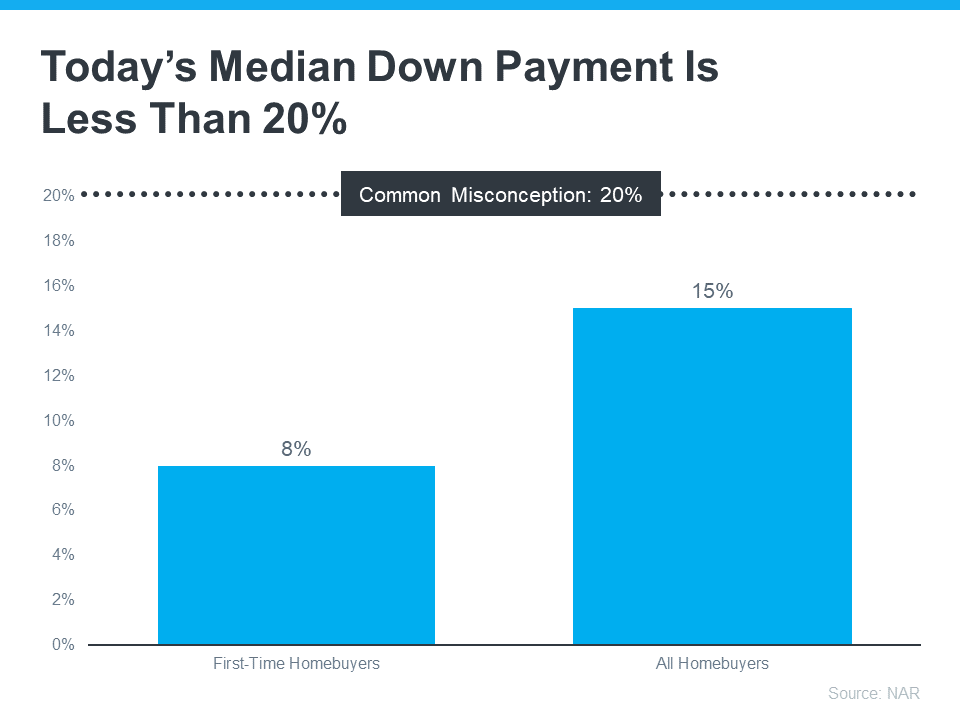
According to the National Association of Realtors (NAR), the median down payment hasn’t been over 20% since 2005. In fact, for all homebuyers today it’s only 15%. And it’s even lower for first-time homebuyers at just 8% (see graph below):

a graph of a number of blue squares


The big takeaway? You may not need to save as much as you originally thought.

Learn About Resources That Can Help You Toward Your Goal

According to Down Payment Resource, there are also over 2,000 homebuyer assistance programs in the U.S., and many of them are intended to help with down payments.

Plus, there are loan options that can help too. For example, FHA loans offer down payments as low as 3.5%, while VA and USDA loans have no down payment requirements for qualified applicants.

With so many resources available to help with your down payment, the best way to find what you qualify for is by consulting with your loan officer or broker. They know about local grants and loan programs that may help you out.

Don’t let the misconception that you have to have 20% saved up hold you back. If you’re ready to become a homeowner, lean on the professionals to find resources that can help you make your dreams a reality. If you put your plans on hold until you’ve saved up 20%, it may actually cost you in the long run. According to U.S. Bank:

“. . . there are plenty of reasons why it might not be possible. For some, waiting to save up 20% for a down payment may “cost” too much time. While you’re saving for your down payment and paying rent, the price of your future home may go up.”

Home prices are expected to keep appreciating over the next 5 years – meaning your future home will likely go up in price the longer you wait. If you’re able to use these resources to buy now, that future price growth will help you build equity, rather than cost you more.

Bottom Line

Keep in mind that you don't always need a 20% down payment to buy a home. If you're looking to make a move this year, let’s connect to start the conversation about your homebuying goals.

Posted in Home Buying
March 3, 2024

How to Use Real Estate Photography to Capture Your Homes Best Look.


In the digital age, where first impressions often happen online, captivating real estate photography can make all the difference in selling your property quickly and at the right price. Gone are the days of simple snapshots; today, buyers expect high-quality images that showcase every detail of a home's best features. Whether you're a homeowner looking to sell or a real estate agent aiming to attract buyers, mastering the art of real estate photography is essential. In this comprehensive guide, we'll explore the techniques and tips to help you capture your home's best look and stand out in a competitive market.

Understanding the Importance of Real Estate Photography

In a visually-driven society, compelling images play a crucial role in attracting potential buyers. Studies have shown that listings with professional-quality photos receive more views and sell faster than those with amateur images. With the majority of home buyers beginning their search online, captivating photography serves as their first impression of a property. Therefore, investing in high-quality real estate photography is a wise decision that can significantly impact your selling process.

Preparing Your Home for a Photoshoot

Before diving into photography techniques, it's essential to prepare your home to ensure it looks its best in photos:

  1. Declutter and Depersonalize: Remove personal items, excessive decorations, and clutter to create a clean and spacious environment that allows potential buyers to envision themselves living in the space.

  2. Clean and Organize: Ensure every room is spotless and well-organized. Pay attention to details such as making beds, arranging furniture, and tidying up countertops.

  3. Maximize Natural Light: Open curtains and blinds to let natural light flood into the rooms. Natural light enhances the ambiance of the space and makes photographs appear brighter and more inviting.

  4. Enhance Curb Appeal: The exterior of your home sets the tone for the entire photoshoot. Invest time in landscaping, cleaning the driveway, and ensuring the front entryway is welcoming.

Essential Equipment for Real Estate Photography

While professional photographers may have an array of specialized equipment, you can achieve impressive results with basic tools:

  1. Digital Camera: Invest in a DSLR or mirrorless camera with manual settings to have full control over exposure, aperture, and shutter speed.

  2. Wide-Angle Lens: A wide-angle lens allows you to capture more of the room in a single shot, making spaces appear larger and more spacious.

  3. Tripod: Stabilize your camera and ensure sharp images by using a tripod, especially in low-light conditions or when shooting HDR (High Dynamic Range) photos.

  4. Remote Shutter Release: Minimize camera shake by using a remote shutter release or the camera's self-timer function to capture photos without physically touching the camera.

Mastering Composition Techniques

Composition plays a crucial role in creating visually appealing real estate photos. Here are some essential techniques to keep in mind:

  1. Rule of Thirds: Divide the frame into thirds both horizontally and vertically, and position key elements such as focal points or architectural features along these lines or at their intersections.

  2. Leading Lines: Utilize architectural lines, such as hallways or staircases, to lead the viewer's eye into the photo and create a sense of depth.

  3. Balance and Symmetry: Aim for balanced compositions by distributing visual weight evenly throughout the frame. Symmetrical arrangements can create a sense of harmony and order.

  4. Foreground Interest: Incorporate elements in the foreground, such as furniture or plants, to add depth and context to the photograph.

Lighting Techniques for Real Estate Photography

Proper lighting can make or break a real estate photograph. Here are some techniques to master lighting in your photos:

  1. Natural Light: Whenever possible, rely on natural light to illuminate your space. Position yourself so that the light enters the room from the side rather than directly behind you, which can cause harsh shadows.

  2. Artificial Lighting: Supplement natural light with artificial lighting sources such as lamps or overhead lights to fill in shadows and create a warm ambiance.

  3. HDR Photography: In high-contrast lighting situations, use HDR photography to capture a range of exposures and blend them together in post-processing for a well-balanced image.

  4. Avoid Overexposure: Be mindful of overexposed areas, especially near windows, by adjusting your camera settings or using exposure bracketing techniques.

Post-Processing and Editing Tips

While capturing great photos is essential, post-processing can enhance your images further:

  1. Image Editing Software: Invest in professional editing software such as Adobe Lightroom or Photoshop to fine-tune exposure, color balance, and sharpness.

  2. HDR Editing: Merge bracketed exposures and adjust tonal range to create vibrant and well-exposed images that showcase the full dynamic range of the scene.

  3. Lens Correction: Correct distortion and perspective issues that may arise from using wide-angle lenses to ensure straight lines and accurate proportions.

  4. Attention to Detail: Pay attention to small details such as removing dust spots, straightening horizons, and enhancing colors to create polished final images.

Conclusion

Mastering real estate photography is a valuable skill that can elevate your property listings and attract more potential buyers. By understanding the importance of high-quality images, preparing your home effectively, utilizing essential equipment, mastering composition and lighting techniques, and enhancing your photos through post-processing, you can capture your home's best look and make a lasting impression on potential buyers.

Remember, every detail matters in real estate photography, from the cleanliness of your home to the composition of your shots. By following these tips and continuously honing your skills, you can create stunning photographs that effectively showcase your property and set it apart in a competitive market.

Sources:

  1. National Association of Realtors - Real Estate Photography: The Key to Selling Homes Faster
  2. Digital Photography School - Real Estate Photography Tips for Beginners
March 2, 2024

The Role of Landscaping in Selling Phoenix Homes


In the dynamic real estate market of Phoenix, Arizona, where the desert landscape meets urban sophistication, the significance of landscaping cannot be overstated. Beyond just creating an aesthetically pleasing environment, landscaping plays a crucial role in enhancing the curb appeal of homes, thereby influencing potential buyers' first impressions and ultimately impacting the sale. From drought-tolerant plants to strategic hardscaping, each element contributes to the overall attractiveness and perceived value of a property. In this blog post, we delve into the multifaceted role of landscaping in selling Phoenix homes.

Creating a Welcoming First Impression

The adage "first impressions matter" holds particularly true in real estate. As prospective buyers drive through Phoenix neighborhoods, the exterior of a home is the first thing they see. A well-maintained landscape not only catches their eye but also sets a positive tone for their entire viewing experience. Lush greenery, vibrant flowers, and neatly trimmed lawns create an inviting atmosphere, making potential buyers eager to explore further.

According to a study published in the Journal of Environmental Horticulture, landscaping can increase property values by up to 12%. 1 This statistic underscores the financial benefits of investing in landscaping, as it directly impacts the perceived value of a home. In Phoenix's competitive housing market, where every advantage counts, a professionally landscaped yard can make a significant difference in attracting buyers and commanding higher prices.

Embracing Desert-Friendly Designs

Phoenix's arid climate presents unique challenges and opportunities for landscaping. With scorching summers and limited rainfall, homeowners must prioritize water conservation and choose plants that can thrive in desert conditions. Xeriscaping, a landscaping approach that emphasizes water efficiency, has become increasingly popular in the Phoenix area.

By incorporating drought-tolerant plants, gravel beds, and efficient irrigation systems, homeowners can create visually stunning landscapes while minimizing water usage and maintenance requirements. Xeriscaped yards not only conserve water but also appeal to environmentally conscious buyers seeking sustainable living solutions.

Highlighting Outdoor Living Spaces

In Phoenix, where outdoor living is a way of life, the backyard serves as an extension of the home's living space. Savvy sellers capitalize on this by showcasing well-designed outdoor areas that enhance the overall appeal of the property. From cozy patios to refreshing swimming pools, outdoor amenities can significantly influence buyers' perceptions of a home's value.

According to a survey conducted by the National Association of Realtors, 63% of homebuyers consider outdoor living spaces to be "very important" or "somewhat important" when searching for a home. 2 This finding underscores the growing demand for properties with functional and aesthetically pleasing outdoor environments.

Enhancing Privacy and Security

Privacy and security are paramount considerations for homebuyers, especially in densely populated urban areas. Thoughtfully designed landscaping can provide both by creating natural barriers and screening undesirable views. Tall hedges, strategically placed trees, and decorative fencing can all contribute to a sense of seclusion and tranquility, making potential buyers feel more comfortable and secure.

Furthermore, well-lit pathways, motion-activated lighting, and trimmed shrubbery enhance the overall safety of the property, addressing concerns about nighttime visibility and potential security risks. By incorporating these elements into the landscape design, sellers can appeal to buyers' practical needs and promote a sense of well-being.

Differentiating Your Property in a Competitive Market

In a competitive real estate market like Phoenix, sellers must find ways to differentiate their properties and stand out from the crowd. Landscaping provides a valuable opportunity to do just that. By investing in professional landscaping services and implementing strategic design choices, sellers can create a unique selling proposition that sets their home apart from others on the market.

From eye-catching front yard designs to serene backyard retreats, every aspect of the landscape should be carefully curated to evoke emotions and capture buyers' imaginations. Whether it's a charming garden pathway or a shaded pergola perfect for outdoor entertaining, thoughtful landscaping adds character and charm to a property, making it more memorable and desirable to potential buyers.

Conclusion

In the fast-paced world of real estate, where first impressions are critical and every advantage counts, landscaping plays a pivotal role in selling Phoenix homes. From creating welcoming first impressions to enhancing outdoor living spaces and promoting privacy and security, a well-designed landscape can significantly impact a property's marketability and perceived value.

By embracing desert-friendly designs, showcasing outdoor amenities, and differentiating their properties in a competitive market, sellers can leverage landscaping to attract buyers, command higher prices, and ultimately achieve successful sales. In Phoenix's vibrant real estate landscape, investing in landscaping isn't just about beautifying a property—it's about maximizing its potential and capturing the imagination of prospective buyers.

Footnotes

  1. Smith, R. A., & Martin, C. A. (2010). Residential landscape architecture and housing market demand: Evidence from the Housing Market Index. Journal of Environmental Horticulture, 28(1), 8–15. Source ↩

  2. National Association of Realtors. (2021). 2021 Outdoor Living Report. Source

March 1, 2024

Expert Home Price Forecasts for 2024 Revised Up

Expert Home Price Forecasts for 2024 Revised Up


Over the past few months, experts have revised their 2024 home price forecasts based on the latest data and market signals, and they’re even more confident prices will rise, not fall.

So, let’s see exactly how experts’ thinking has shifted – and what’s caused the change.

2024 Home Price Forecasts: Then and Now

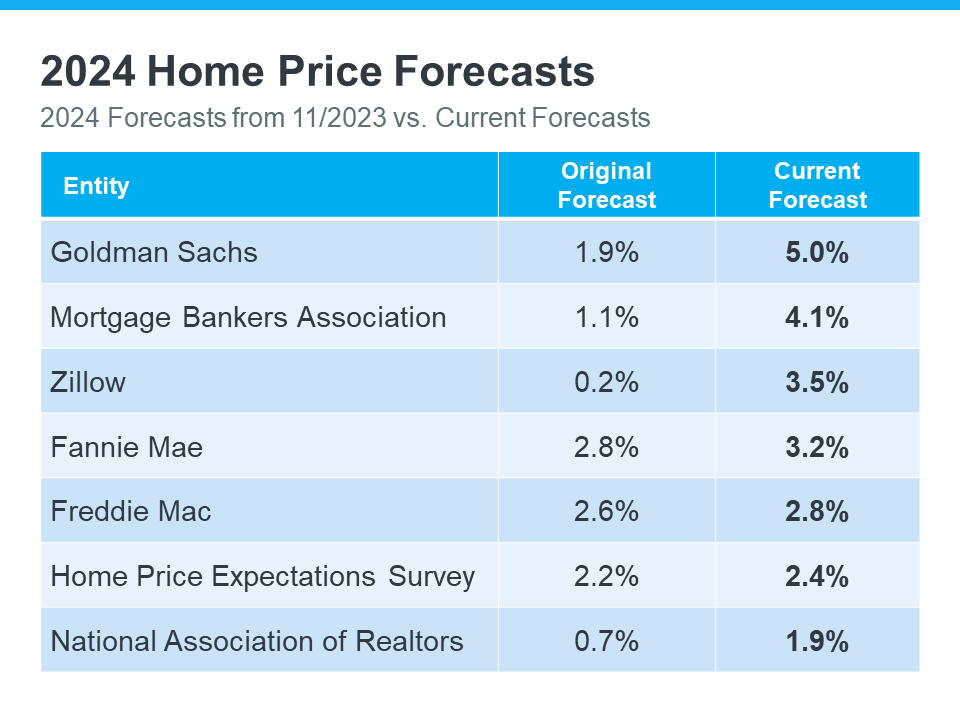
The chart below shows what seven expert organizations think will happen to home prices in 2024. It compares their first 2024 home price forecasts (made at the end of 2023) with their newest projections:

 a blue and white graph with text


The middle column shows that, at first, these experts thought home prices would only go up a little this year. But if you look at the column on the right, you'll see they've all updated their forecasts and now think prices will go up more than they originally thought. And some of the differences are major.

There are two big factors keeping such strong upward pressure on home prices. The first is how few homes are for sale right now. According to Business Insider:

Low home inventory is a chronic problem in the US. This has generally kept home prices up . . .”

A lack of housing inventory has been pushing prices up for a long time now – and that’s not expected to change dramatically this year. But what has changed a bit is mortgage rates.

Late last year when most housing market experts were calling for home prices to rise only a little bit in 2024, mortgage rates were up and buyer demand was more moderate.

Now that rates have come down from their peak last October, and with further declines expected over the course of the year, buyer demand has picked up. That increase in demand, along with an ongoing lack of inventory, is what’s caused the experts to feel the upward pressure on prices will be stronger than they expected a couple months ago.

A Look Forward To Get Ahead of the Next Forecast Revisions

Real estate experts regularly revise their home price forecasts as the housing market shifts. It’s a normal part of their job that ensures their projections are always up-to-date and factor in the latest changes in the housing market.

That means they’ll continue to revise their projections as the housing market changes, just as they’ve always done. How those forecasts change next is anyone’s guess, but pay attention to mortgage rates.

If they trend down as the year goes on, as they’re expected to do, that could lead to more buyer demand and even higher home price forecasts.

Basically, it’s all about supply and demand. With supply still so limited, anything that causes demand to go up will likely cause prices to go up, too.

Bottom Line

At first, experts believed home prices would only go up a little this year. But now, they've changed their minds and forecast prices will grow even more than they originally thought. Let’s connect so you know what to expect with prices in our area.

Posted in Market Updates
March 1, 2024

Selling Your Home in Phoenix: Dealing with Low Appraisals


Selling a home in Phoenix can be an exciting but challenging process, especially when faced with the hurdle of a low appraisal. With the real estate market in Phoenix being as dynamic as it is, fluctuations in property values are not uncommon. However, dealing with a low appraisal doesn't have to derail your plans or leave you feeling disheartened. In this guide, we'll explore why low appraisals happen, how they can impact your home sale, and most importantly, strategies for navigating this situation effectively.

Understanding Low Appraisals

An appraisal is an unbiased estimate of a property's fair market value conducted by a licensed appraiser. When a home's appraised value comes in lower than the agreed-upon purchase price, it can create challenges for both buyers and sellers. In Phoenix's competitive real estate market, low appraisals can occur due to various factors:

  1. Market Fluctuations: Real estate markets, including Phoenix, are subject to fluctuations influenced by factors such as supply and demand, economic conditions, and interest rates. These fluctuations can lead to disparities between listing prices and appraised values.

  2. Comparable Sales: Appraisers rely on comparable sales (comps) — recent sales of similar properties in the area — to determine a home's value. If there are few comparable properties or recent sales in your neighborhood, the appraiser may struggle to establish an accurate value for your home.

  3. Home Condition: The condition of your home plays a significant role in its appraised value. If your property requires extensive repairs or renovations, the appraiser may assign a lower value to account for these factors.

  4. Overpricing: Setting an unrealistic listing price can result in a home sitting on the market for an extended period, leading to a perception of overvaluation by appraisers.

The Impact of Low Appraisals on Your Home Sale

A low appraisal can have significant implications for both sellers and buyers:

  1. Renegotiation: When a home appraises for less than the agreed-upon purchase price, buyers may request a price reduction or ask the seller to cover the shortfall. This can lead to renegotiations that delay the closing process and potentially result in a lower sale price for the seller.

  2. Financing Challenges: Lenders typically base their loan amounts on the appraised value of the property. If the home's appraised value is lower than the contract price, buyers may struggle to secure financing or be required to make a larger down payment.

  3. Stalled Sales: In some cases, a low appraisal can cause the entire sale to fall through if the buyer is unable or unwilling to proceed with the purchase at the agreed-upon price.

Strategies for Dealing with Low Appraisals

While a low appraisal can be frustrating, there are several strategies sellers can employ to mitigate its impact and keep their home sale on track:

  1. Review the Appraisal Report: Carefully review the appraisal report to ensure that all relevant information about your property has been accurately documented. Look for any errors or discrepancies that could potentially affect the appraised value.

  2. Provide Additional Comparables: If you believe the appraiser overlooked relevant comparables or undervalued certain aspects of your property, provide additional comparable sales data to support your case. Highlight any unique features or upgrades that distinguish your home from others in the area.

  3. Consider an Appeal: In some cases, it may be possible to appeal a low appraisal if you believe there are legitimate grounds for doing so. Consult with your real estate agent or an experienced appraiser to determine whether an appeal is warranted and what the process entails.

  4. Explore Options for Increasing Value: If your home's appraised value falls short of expectations, consider making strategic improvements or updates to enhance its appeal and potentially increase its market value. This could include minor renovations, cosmetic enhancements, or staging to showcase the property in its best light.

  5. Negotiate with the Buyer: If the appraisal comes in lower than expected, be prepared to negotiate with the buyer to find a mutually acceptable solution. This may involve lowering the sale price, offering seller concessions, or exploring alternative financing options.

Conclusion

Dealing with a low appraisal when selling your home in Phoenix can be a challenging experience, but it's not insurmountable. By understanding the factors that contribute to low appraisals and implementing strategic tactics to address them, sellers can navigate this situation with confidence and minimize its impact on their home sale. Whether it's providing additional comparables, appealing the appraisal, or negotiating with the buyer, proactive communication and collaboration are key to achieving a successful outcome in the face of appraisal challenges.

As you prepare to sell your home in Phoenix, remember that working with a knowledgeable real estate agent who understands the local market dynamics can be invaluable. By leveraging their expertise and guidance, you can navigate the complexities of the appraisal process and maximize the value of your property in today's competitive real estate market.

Sources:

  1. National Association of Realtors (NAR) - Understanding Home Appraisals
  2. Zillow - What to Do If Your Home Appraisal Comes in Low
  3. Investopedia - How to Challenge a Low Real Estate Appraisal
  4. Realtor.com - What to Do When Your Home Appraisal Comes in Low
  5. Forbes - 5 Ways Sellers Can Prepare for a Home Appraisal

By following these tips and remaining proactive throughout the home selling process, you can increase your chances of a successful sale and achieve your desired outcome in the Phoenix real estate market.

Feb. 28, 2024

Strategic Tips for Buying Your First Home

Strategic Tips for Buying Your First Home


Buying your first home is a big, exciting step and a major milestone that has the power to improve your life. As a first-time homebuyer, it's a dream you can make come true, but there are some hurdles you'll need to overcome in today’s housing market – specifically the limited supply of homes for sale and ongoing affordability challenges.

So, if you're ready, willing, and able to buy your first home, here are three tips to help you turn your dream into a reality.

Save Money with First-Time Homebuyer Programs                                       

Paying the initial costs of homeownership, like your down payment and closing costs, can feel a bit daunting. But there are many assistance programs for first-time homebuyers that can help you get a loan with little or no money upfront. According to Bankrate:

“. . . you might qualify for a first-time homebuyer loan or assistance. First-time buyer loans typically have more flexible requirements, such as a lower down payment and credit score. Many help buyers with closing costs and the down payment through grants and low-interest loans.

To find out more, talk to your state's housing authority or check out websites like Down Payment Resource.

Expand Your Options by Looking at Condos and Townhomes

Right now, there aren’t enough homes for sale for everyone who wants to buy one. That’s pushing home prices up and making affordability tight for buyers. One way to deal with that issue and find a home right now is to consider condos and townhomes. Realtor.com explains:

For many newbies, it might just be a matter of making a shift toward something they can better afford—like a condo or townhome. These lower-cost homes have historically been a stepping stone for buyers looking for a less expensive alternative to a single-family home.”

One reason why they may be more affordable is because they’re often smaller. But they still give you the chance to get your foot in the door and achieve your goal of owning a home and building equity. And that equity can help fuel your move into a larger home later on if you decide you need something bigger in the future. Hannah Jones, Senior Economic Analyst at Realtor.comsays:

Condos can help prospective homebuyers who perhaps have a smaller budget, but who are really determined to get a foothold in the market and start to accumulate some equity. It can be a really great entry point.”

Consider Pooling Your Resources To Buy a Multi-Generational Home

Another way to break into the market is by purchasing a home with friends or loved ones. That way you can split the cost of things like the mortgage and bills, to make it easier to afford a home. According to Money.com:

“Buying a home with another person has some obvious advantages in the mortgage department. With two incomes in the mix, buyers can likely qualify for a larger mortgage — a big help in today’s high-cost market.

Bottom Line

By exploring first-time homebuyer assistance, condos, townhomes, and multi-generational living, it can be easier to find and buy your first home. When you’re ready, let’s connect.

Posted in Home Buying
Feb. 26, 2024

It’s Time To Prepare Your House for a Spring Listing

It’s Time To Prepare Your House for a Spring Listing


If you're thinking of selling your house this spring, now is the perfect time to start getting it ready. With the market gearing up for its busiest time of year, it'll be important to make sure your house shines bright among the competition.

Here are some valuable tips you can use to get your house market-ready.

Declutter and Organize

First impressions matter, and if your house is a mess, that can easily turn off potential buyers. Before listing, take the time to declutter and organize each room. Decluttering is about more than just tidying up – it's about creating a sense of space and openness that allows potential buyers to envision themselves living in your home. According to Moving.com:

Decluttering and organizing your space will go a long way in appealing to potential buyers. . . .decluttering will help the buyers see themselves living in your home. Less clutter inside a home also helps a place appear larger and cleaner, which should attract more buyers.”

Deep Clean Your Kitchen and Bathrooms

The kitchen and bathrooms are focal points for many buyers, and often influence their overall opinion of the house. Ensure these spaces dazzle by giving them a thorough deep cleaning. Pay attention to details like scrubbing grout lines, polishing fixtures, and decluttering countertops. A sparkling kitchen and bathroom can leave a lasting positive impression on potential buyers.

Maintain Your Yard

Your home’s exterior is the first thing potential buyers see, so it’s important to make a good impression from the moment they arrive. A well-maintained yard not only enhances curb appeal, but also shows buyers the home has been well taken care of.

Take the time to spruce up your yard by mowing the lawn, trimming bushes, and clearing away any debris or dead plants. Remember, the goal is to create a welcoming environment that entices buyers to step inside and imagine themselves living there. U.S. News says:

“A beautifully landscaped front yard can elevate an ordinary house into a charming home and will help homes sell faster and for more money.”

Find a Listing Agent

A skilled listing agent is your partner in minimizing stress when selling your home. Lean on your agent for advice on decluttering, staging, and enhancing your home's appeal to potential buyers. Their insights into market trends and recommendations for reliable contractors and stagers are invaluable. As Realtor.com says:

“A good listing agent will help you price your home . . . recommend a photographer and stager to make it look its best, and put your home on the multiple listing service.”

Bottom Line

By decluttering, deep cleaning, and tidying up your house, you can create a welcoming environment that resonates with buyers and increases your chances of a successful sale. Let’s connect on what you need to do to get your house ready to sell this spring.

Posted in Home Selling