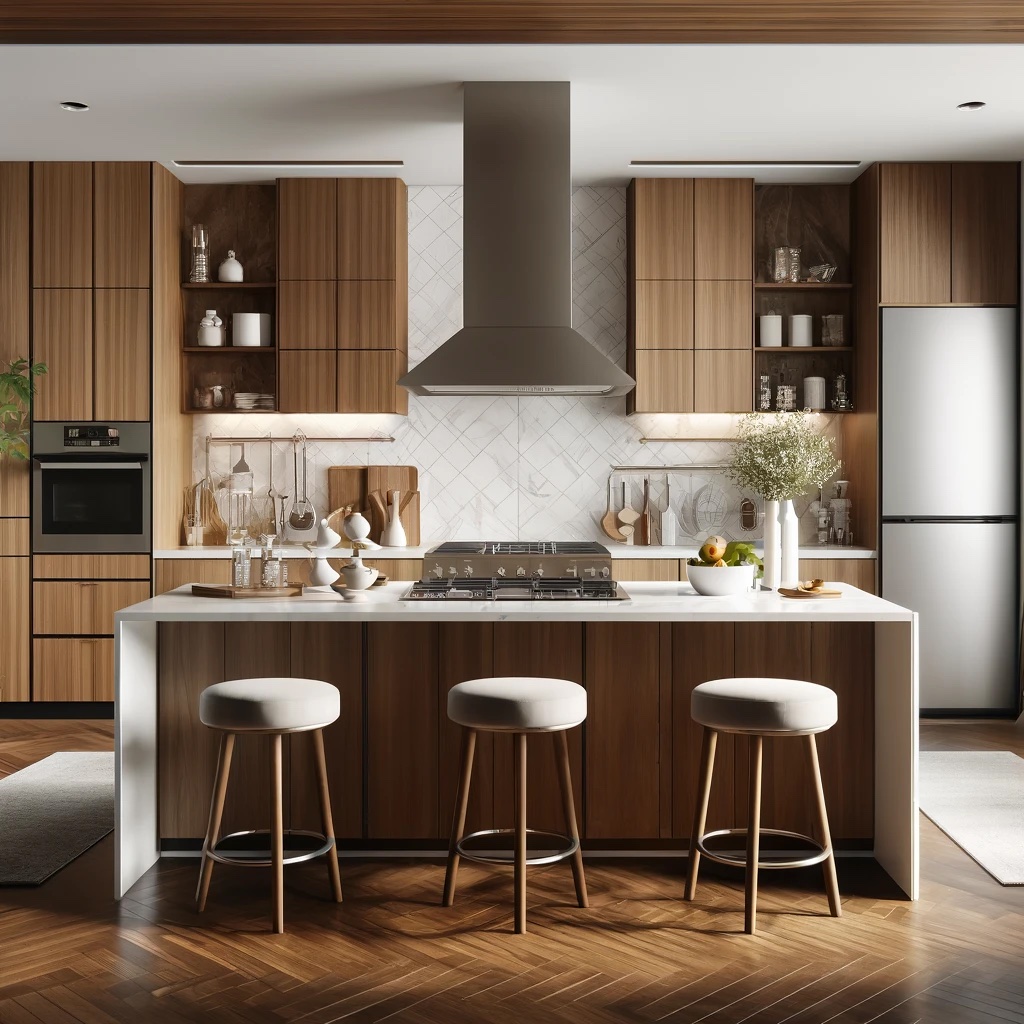
The Role of Home Staging in Selling Your Home
In the competitive real estate market, selling your home quickly and for the right price can be a challenge. Home staging has emerged as a powerful technique to enhance the appeal of a home to potential buyers. This strategic presentation not only helps the property to stand out in listings but can also significantly impact the final sale price and the time it spends on the market.
What is Home Staging?
Home staging is the process of preparing a home for sale in the real estate market. The objective is to make the home appealing to the highest number of potential buyers, enabling it to sell more quickly and for more money. This involves decluttering, re-arranging furniture, enhancing decor, and making minor repairs. A well-staged home creates a positive first impression, critical in attracting buyers.
The Importance of Home Staging
According to a 2019 National Association of Realtors report, 83% of buyers’ agents said staging a home made it easier for a buyer to visualize the property as a future home. The report also highlighted that 25% of buyers' agents said that staging a home increased the dollar value offered between 1% and 5% compared to other similar homes on the market that were not staged.
First Impressions Matter
First impressions are crucial in the home buying process. Buyers typically decide within a few seconds of entering a home whether it feels right. If a home appears cluttered, dated, or in disrepair, it can be challenging to overcome that negative first impression, no matter how ideal the location or size.
Faster Sales Time
A survey by the Real Estate Staging Association revealed that homes which had been staged spent 73% less time on the market. Staging a home helps to sell homes faster by attracting more interested buyers quickly.
Higher Offers
Staging can also influence the final sale price. A study from the Journal of Housing Research indicates that staged homes sell for 6% above the asking price on average. This can translate into a significant amount when applied to the price of homes.
Enhancing Property Appeal
Staging highlights the home's best features while downplaying its flaws. This can make the property more appealing and help buyers envision living there, which can lead to more competitive offers.
Effective Home Staging Strategies
Declutter and Clean
The first step in staging is to declutter and clean thoroughly. This helps to open up space and show off the property's true potential. Removing personal items and excessive furnishings can make the home feel larger and more inviting.
Focus on Key Rooms
The living room, master bedroom, and kitchen are critical areas for staging because they're where people spend most of their time. Ensuring these rooms are well-presented can have a significant impact on buyers’ decisions.
Neutralize
Using neutral colors and decor can help potential buyers imagine themselves in the space, making it easier to sell the home. Neutral colors appeal to a broader audience, making the home more universally appealing.
Light It Right
Good lighting is essential in home staging. It makes rooms look bigger and more welcoming. Increase the wattage in light fixtures and open curtains and blinds to let in natural light.
Address the Exterior
Curb appeal is your home's first chance to make a good impression. Simple improvements like painting the front door, planting flowers, and ensuring the lawn is neat can make a substantial difference.
DIY vs. Professional Staging
While some sellers choose to stage their homes themselves, hiring a professional stager can be a worthwhile investment. Professional stagers have an eye for what sells in a home and can transform spaces in ways that maximize the appeal to potential buyers.
Conclusion
In summary, staging a home is an effective real estate strategy that can lead to quicker sales and higher offers. By presenting a clean, attractive, and neutral property, sellers can effectively influence the buyer's perception and ultimately the sale's outcome. Whether you decide to hire a professional or tackle staging on your own, the effort you put into staging can make a significant difference in how quickly and profitably you can sell your home.
By incorporating strategic home staging, sellers can create an environment that stands out in the real estate market, enticing buyers to envision themselves living in the home and increasing their willingness to make a competitive offer.