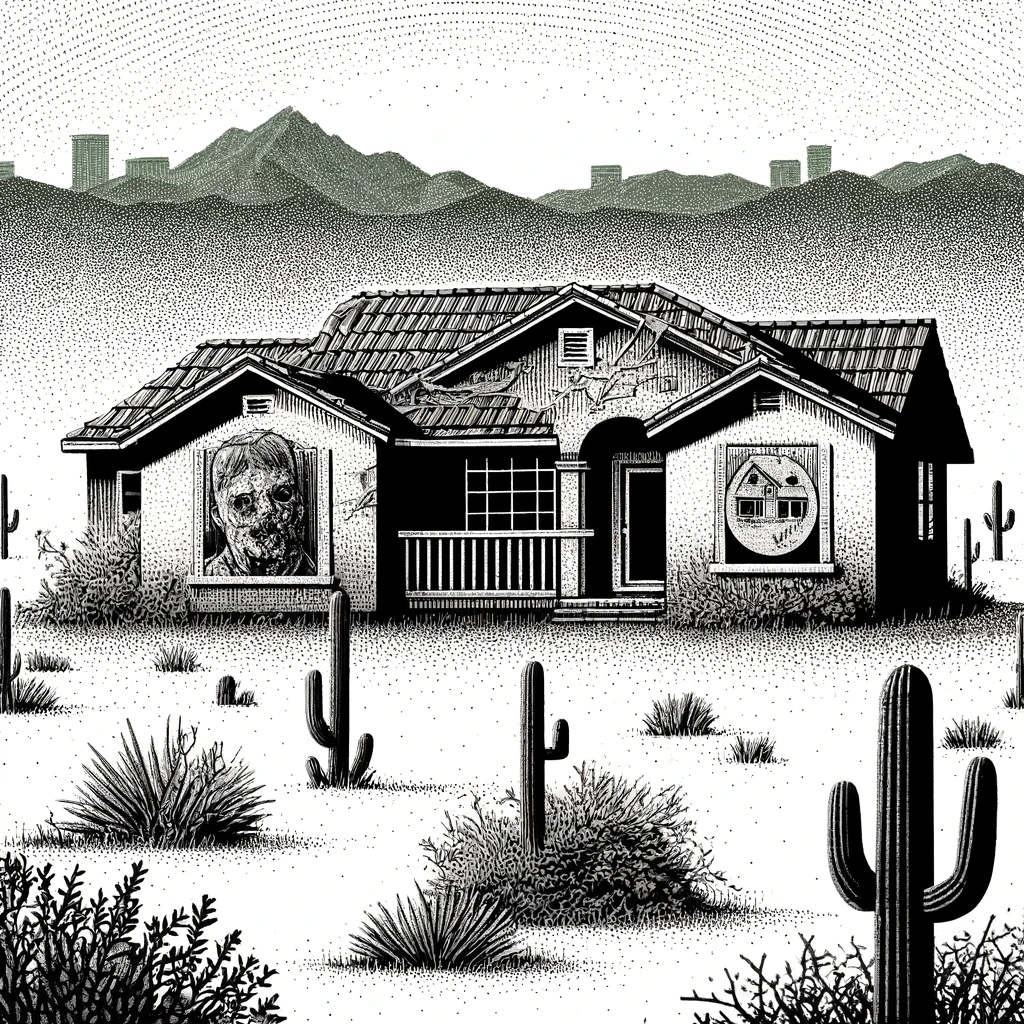
The Zombie Mortgage: An Emerging Issue in Arizona's Residential Real Estate
The term "zombie mortgage" might sound like something out of a horror movie, but it represents a very real and increasingly prevalent issue in the residential real estate market, including here in Arizona. A zombie mortgage occurs when a property is abandoned by the homeowner yet remains in a state of legal limbo where the foreclosure process is either stalled or not completed. This situation leaves the homeowner technically responsible for the property, including any associated debts and liabilities, without their knowledge or ability to act. This blog delves into the complexities of zombie mortgages in Arizona, their impact on homeowners and communities, and potential solutions.
Understanding Zombie Mortgages
Zombie mortgages typically arise from the following situations:
- Incomplete Foreclosures: Sometimes, lenders initiate foreclosure proceedings but do not complete them. This could be due to legal issues, financial considerations, or procedural delays.
- Abandoned Properties: Homeowners, under the impression that the foreclosure has been finalized or simply unable to maintain the property, abandon their homes.
- Lender Decisions: In some cases, lenders decide that completing the foreclosure is not financially viable, leaving the property and its debts hanging in the balance.
These scenarios create a state where the homeowner believes they have lost ownership of the property, but legally, they still retain responsibility.
The Impact on Homeowners in Arizona
Homeowners in Arizona caught in the trap of a zombie mortgage face numerous challenges:
- Legal and Financial Liability: They remain responsible for property taxes, homeowners association fees, and maintenance costs. Unpaid taxes can lead to liens, while neglected maintenance can result in fines and further legal issues.
- Credit Damage: The unresolved foreclosure continues to impact the homeowner's credit score, making it difficult to secure new housing or loans.
- Emotional and Psychological Stress: The uncertainty and inability to move on from the property can cause significant stress and emotional strain.
Community and Municipal Implications in Arizona
Zombie mortgages affect not only the individual homeowners but also the broader community and municipalities in Arizona:
- Blight and Property Values: Abandoned homes often fall into disrepair, becoming eyesores and lowering the property values of surrounding homes.
- Crime and Safety: Vacant properties can attract criminal activities, posing safety concerns for the neighborhood.
- Municipal Costs: Local governments may incur expenses related to maintaining or securing abandoned properties, which can strain municipal budgets.
Case Studies and Statistics in Arizona
A report by the National Community Reinvestment Coalition (NCRC) highlights the widespread nature of zombie mortgages. According to their findings, there were approximately 302,000 zombie properties across the United States in 2021, with a significant portion in states like Arizona. This represents a substantial part of the housing market and underscores the need for comprehensive solutions.
In Arizona, cities like Phoenix and Tucson have seen the adverse effects of zombie mortgages. Phoenix, in particular, has experienced a surge in zombie properties, contributing to neighborhood blight and increased municipal costs for property upkeep and security.
Legal and Policy Responses in Arizona
Addressing zombie mortgages in Arizona requires a multifaceted approach involving legal reforms, policy interventions, and community engagement:
- Foreclosure Process Reforms: Streamlining and expediting the foreclosure process can help ensure that properties do not linger in limbo. This might involve stricter timelines for completing foreclosures and better tracking systems to monitor progress.
- Mandatory Notifications: Lenders should be required to notify homeowners at each stage of the foreclosure process, ensuring that homeowners are fully aware of their legal status and responsibilities.
- Municipal Interventions: Local governments can adopt ordinances that allow them to take control of abandoned properties more swiftly, either through expedited foreclosures or property receivership programs.
Potential Solutions for Homeowners in Arizona
For homeowners trapped in a zombie mortgage, several strategies can help mitigate the damage:
- Legal Assistance: Seeking legal advice can help homeowners understand their rights and explore options such as negotiating with lenders or filing for bankruptcy to discharge debts.
- Loan Modifications and Short Sales: Homeowners might be able to negotiate loan modifications with their lenders to make payments more manageable. Alternatively, a short sale (selling the property for less than the outstanding mortgage) can help resolve the debt.
- Community Resources: Nonprofit organizations and community groups often provide resources and support for homeowners facing foreclosure, including counseling services and financial assistance programs.
The Role of Real Estate Professionals in Arizona
Real estate professionals in Arizona, including agents and brokers, can play a crucial role in addressing zombie mortgages by:
- Education and Advocacy: Educating clients about the risks and realities of zombie mortgages can help prevent such situations. Advocating for legislative and policy changes can also make a difference.
- Assistance with Sales and Purchases: Helping homeowners navigate the complexities of short sales or assisting buyers in purchasing foreclosed properties can contribute to resolving zombie mortgage issues.
- Community Involvement: Engaging with local government and community organizations to address abandoned properties and improve neighborhood conditions can have a positive impact.
Arizona-Specific Case Study: Phoenix
Phoenix, as the largest city in Arizona, has been particularly affected by the issue of zombie mortgages. Following the 2008 financial crisis, many homeowners faced foreclosure. While the market has since recovered, the remnants of incomplete foreclosures have left a lasting impact.
In some neighborhoods, abandoned properties have become hotspots for illegal activities, prompting the city to allocate additional resources for law enforcement and property maintenance. Local government initiatives, such as the Abandoned Property Program, aim to identify and rehabilitate zombie properties, but the process is slow and resource-intensive.
The Phoenix real estate market also faces challenges with housing affordability and availability, exacerbated by zombie mortgages that take potential homes off the market. By addressing these zombie properties, the city could improve housing availability and neighborhood conditions.
The Broader Arizona Context
Outside of Phoenix, other cities in Arizona such as Tucson, Mesa, and Glendale also grapple with zombie mortgages. These cities have implemented various strategies to manage the problem, including:
- Code Enforcement: Strengthening code enforcement to ensure that property owners maintain their properties, even if they are in foreclosure.
- Community Partnerships: Partnering with nonprofit organizations and community groups to provide support and resources for affected homeowners.
- Public Awareness Campaigns: Educating the public about the issue of zombie mortgages and encouraging homeowners to seek help early in the foreclosure process.
Conclusion
Zombie mortgages represent a significant and growing problem in Arizona's residential real estate market, affecting homeowners, communities, and municipalities alike. Addressing this issue requires a comprehensive approach involving legal reforms, policy changes, and community engagement. By understanding the complexities of zombie mortgages and working together to implement effective solutions, Arizona can mitigate their impact and create more stable, healthy communities.
- National Community Reinvestment Coalition (NCRC). "Zombie Properties: The Hidden Housing Crisis." Available at: NCRC Report
- National Association of Realtors (NAR). "Understanding Zombie Foreclosures and How to Combat Them." Available at: NAR Article