Navigating The Phoenix Housing Market

Welcome to the official blog of Dominion Group Properties—your trusted resource for real estate news, market analysis, and expert guidance across Phoenix, Scottsdale, North Phoenix, Cave Creek, Carefree, and Anthem. Whether you're a home buyer, seller, investor, or planning a relocation within the Valley, our blog delivers timely content to keep you informed.

What We Cover

  • Local Market Trends & Housing Reports: Stay updated with monthly insights on inventory, pricing, and market shifts in Phoenix and the North Valley.
  • Home Buying & Selling Strategies: From financing manufactured homes to pricing historic properties, our articles cover every step of the process.
  • Community & Development News: Learn about upcoming neighborhoods like Desert Hills, emerging job centers, and how primed areas are shaping investment opportunities.
  • Property Management & Landlord Tips: Make informed decisions whether you're leasing, investing, or managing a residential property in Arizona.

Why Our Blog Stands Out

  • Content anchored in real-world market data and local expertise across Phoenix Metro and surrounding regions.
  • Written and curated by Jonathan Baer—broker, licensed loan officer, and real estate advisor with over 30 years’ experience and $240 million in closed transactions in Maricopa County.
  • Blog topics tailored for actionable insights, whether flipping a home in Cave Creek, planning a move to Anthem, or financing a manufactured home in Phoenix.

Bookmark this page and check back regularly for fresh updates, expert commentary, and smart strategies for navigating Arizona’s dynamic real estate market.

About the Author:
Jonathan Baer, Designated Broker and Real Estate Wealth Advisor at Dominion Group Properties, has completed over 1,000 transactions worth more than $240 million across Arizona.


Learn More About Jonathan Baer

July 2, 2025

4958 E Desert Vista Trail, Cave Creek, AZ 85331

4958 E Desert Vista Trail, Cave Creek, AZ 85331


Cave Creek AZ Home Sold Remotely by Listing Agent Jonathan Baer

Cave Creek, Arizona – July 2, 2025

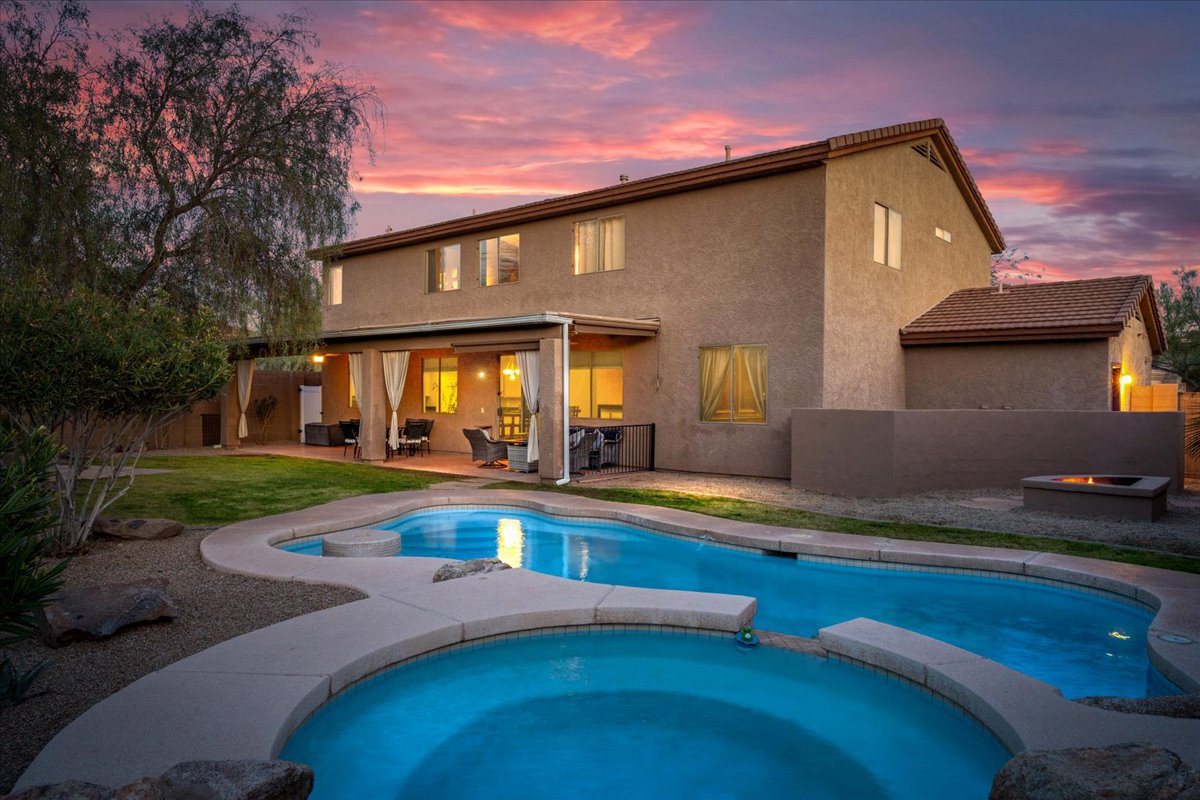
Dominion Group Properties, under the leadership of listing broker Jonathan Baer, is pleased to announce the successful sale of a distinguished former model home at 4958 E Desert Vista Trail in Cave Creek, AZ.

With the homeowner relocated out-of-state for a new job, Jonathan expertly managed the entire sales process from afar—securing a qualified buyer, managing showings, overseeing contract negotiations, and coordinating closing logistics to ensure a seamless remote transaction.

Property Highlights

  • Former model home spanning approximately 3,557 sq ft on a 0.23‑acre lot.
  • 4 bedrooms, 3 baths, soaring ceilings, loft/office space, and wood-paneled study
  • Expansive outdoor living area with pool, hot tub, and fire pit
  • Spacious kitchen and family room, ideal for entertaining

Remote Seller Support & Transaction Management

Despite the seller’s relocation, Jonathan ensured continuity and responsiveness throughout the process:

  • Identified and qualified buyers while the seller was out-of-state
  • Coordinated remote property tours and offer submissions
  • Handled closing logistics, inspections, and final walk-through remotely

Jonathan’s proactive communication and strategic handling made this remote sale stress-free for the seller.

About Dominion Group Properties

Dominion Group Properties—led by Jonathan Baer—is a full-service real estate brokerage serving Cave Creek, North Phoenix, Scottsdale, and surrounding areas. With over 1,000 transactions totaling more than $240 million in sales volume, Jonathan offers clients expertise in remote listings, executive relocations, and luxury home marketing.

View the Property Listing

Learn more about this home's features and community at the original listing:

https://www.dgpaz.com/property/6834934/

Posted in Press Releases
June 19, 2025

Phoenix Housing Market Update – June 2025

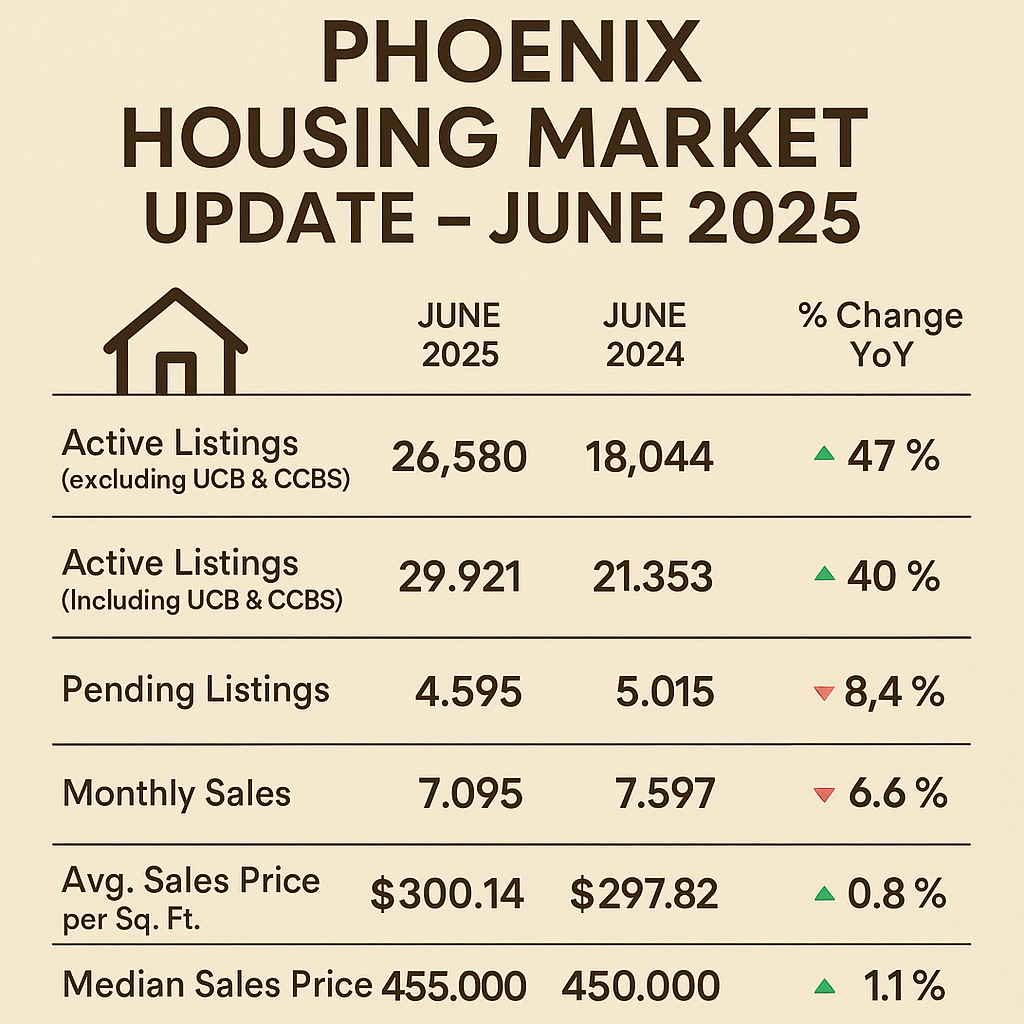
Infographic summarizing the Phoenix housing market update for June 2025, showing year-over-year changes in active listings, pending sales, monthly sales, and home prices. Data highlights include a 47% increase in active listings and a 6.6% decrease in monthly sales. Source: The Cromford Report.

🏜️ Phoenix Housing Market Update – June 2025

Source: The Cromford Report

As we head into the summer season, the Phoenix housing market continues to present a tale of two markets—one of rising supply and another of softening demand. Here’s what the numbers from June 1, 2025, are telling us and what it means if you’re thinking of buying, selling, or investing.

📊 Key Stats: June 1, 2025 vs. June 1, 2024

Data courtesy of The Cromford Report

Metric June 2025 June 2024 % Change YoY
Active Listings (excluding UCB & CCBS) 26,580 18,044 🔺 +47%
Active Listings (including UCB & CCBS) 29,921 21,353 🔺 +40%
Pending Listings 4,595 5,015 🔻 -8.4%
Under Contract Listings 7,936 8,324 🔻 -4.7%
Monthly Sales 7,095 7,597 🔻 -6.6%
Avg. Sales Price per Sq. Ft. $300.14 $297.82 🔺 +0.8%
Median Sales Price $455,000 $450,000 🔺 +1.1%

📈 Inventory Growth Slows—But Still High

For most of 2025, active inventory seemed to be growing non-stop. But in late May, that trend finally hit pause—not because of demand, but because fewer homeowners are listing their properties. Without that drop in new listings, today’s supply would be even higher.

Still, year-over-year inventory is up 47%, giving buyers more choices—especially in the mid-range price points that were once fiercely competitive.

📉 Demand Continues to Cool

Unfortunately, the number of homes going under contract declined by 12% month-over-month and nearly 5% year-over-year. Pending sales fell 14% compared to May.

May 2025 had only 20 working days, compared to 22 in May 2024. So while closings dipped by 6.6%, that actually reflects a decent pace on a per-day basis. Escrow teams, agents, and lenders are still getting the job done efficiently.

💸 Prices Are Stable—But Skewed by Luxury Sales

  • Avg. Price/Sq. Ft.: $300.14 (up 0.8%)
  • Median Sales Price: $455,000 (up 2.2% from last month)

This mild price growth isn’t necessarily driven by market strength. Instead, luxury homes made up a higher share of sales in May, giving average and median prices a lift. Entry-level and mid-tier homes, on the other hand, saw weaker volume.

Sellers should be cautious about interpreting these price gains as a sign of momentum.

🛠️ Buyers Want More Than Repairs—They Want Renovations

One of the more striking shifts in today’s market is buyer psychology. With fewer homes going under contract and little competitive pressure, buyers are now demanding not only repairs but full-blown upgrades. Common requests include:

  • New interior/exterior paint
  • Roof replacements
  • New HVAC systems
  • Updated kitchens and bathrooms

And desperate sellers—especially those who've lingered on the market—are starting to say “yes.”

If you’re a seller, you need to be strategic. Smart, targeted updates and proper pricing are critical to staying competitive.

🏦 Mortgage Rates Still Hovering Near 7%

Interest rates haven’t budged much. Fixed 30-year rates are stuck around 7%, and while some buyers are adapting, others remain hesitant.

Builder Incentives Alert: Many builders are offering 4.99% rate buy-downs and other perks—especially at quarter’s end. If you're considering new construction, now is a great time to negotiate.

📉 The Cromford® Market Index Drops to 73

A balanced market sits at 100. With a reading of 73, buyers clearly have the upper hand. This isn’t a crash, but sellers need to price carefully and understand they’re operating in a very different environment than 2021 or 2022.

💎 The Luxury Market Breaks the Mold

Luxury homes over $3 million had a strong May, with demand boosted by gains in the stock and crypto markets. Inventory in this segment actually dropped.

These buyers are often paying cash and buying second homes, largely unaffected by mortgage rate fluctuations. It’s a separate world—and it’s moving to its own rhythm.

🔮 Looking Ahead: Will Listings Stay Low?

The next few weeks will depend on new listing activity:

  • If new listings stay low, that will help absorb some of the excess inventory.
  • If new listings jump again, sellers could be in for tougher competition.

At the moment, we’re dealing with more supply than demand. Until that shifts, sellers need to be aggressive, flexible, and prepared.

🏁 Final Thoughts

The Phoenix market is cooling—but not crashing. We’re seeing:

  • Inventory up 47%
  • Fewer homes under contract
  • Stable (but fragile) prices
  • Buyers requesting renovations
  • Mortgage rates stuck near 7%

For Sellers: Make your home stand out. Focus on presentation, necessary updates, and smart pricing.

For Buyers: You have time and leverage. Explore incentives, negotiate repairs, and be patient.

📬 Need help navigating this market? Let’s talk. I’m here to help you make smart real estate moves in 2025 and beyond.

June 5, 2025

Selling Your Phoenix Home with Solar Panels: A Comprehensive Guide

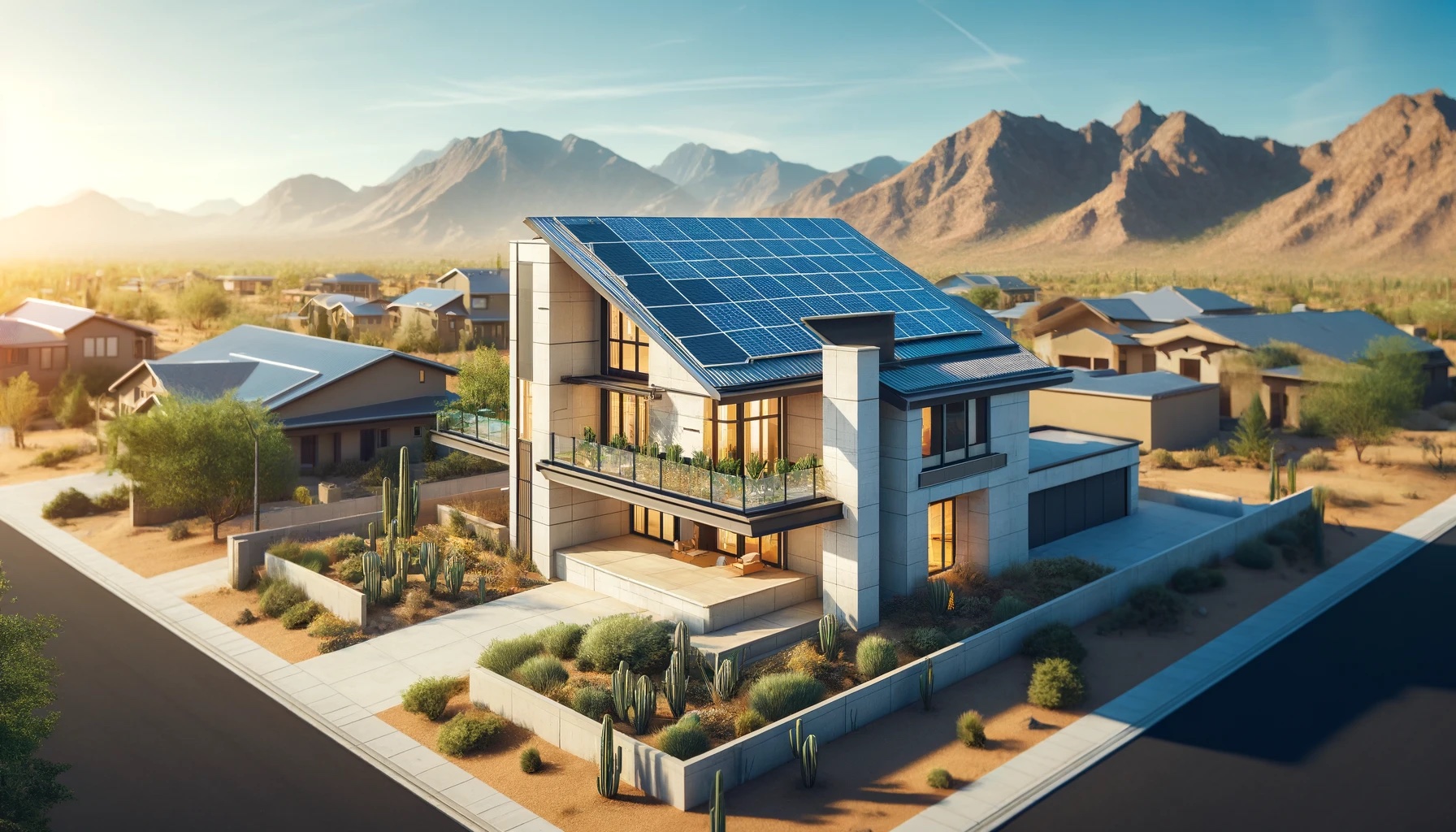
Solar Panels on a Home in North Phoenix


Selling Your Phoenix Home with Solar Panels: A Comprehensive Guide

Thinking about selling a home with solar panels in North Phoenix, Cave Creek, Carefree, or Desert Hills? You’re not alone. More homeowners in the Valley are embracing solar, and for good reason—energy savings, environmental impact, and added appeal to buyers. But when it’s time to sell, solar panels can raise a few eyebrows (and questions). Here's how to navigate the process like a pro.

Do Solar Panels Add Value to Your Phoenix-Area Home?

Yes—but with a big “if.”

Owned solar systems—especially those fully paid off—tend to increase a home’s market value in places like Desert Hills or Carefree. Buyers often see them as a bonus: lower utility bills, long-term energy savings, and no extra financial commitment.

On the flip side, leased solar systems or those under long-term financing agreements may cause hesitation. Some buyers shy away from assuming lease terms or contracts they didn’t negotiate.

Local insight: In our experience selling homes in North Phoenix and Cave Creek, homes with owned solar routinely attract more serious buyers and stronger offers than those with leased panels.

What Should Sellers Do Before Listing a Home with Solar Panels?

  • Gather your solar documentation: purchase contract, warranty, service agreement, and any transfer details.
  • Know your solar type: Owned or Leased? Buyers will want to know.
  • Schedule a solar performance check: Reassures buyers the system is functioning as expected.
  • Include utility bill comparisons: Showing reduced bills can be persuasive—especially in hot areas like Cave Creek.

How to Talk About Solar in Your Listing

When listing your North Phoenix or Carefree home, highlight:

  • Energy cost savings
  • Panel ownership status
  • Estimated remaining lifespan of the system
  • Recent maintenance or inspections

What About Appraisals and Solar?

If you own your system outright, make sure your appraiser knows. Owned solar panels can contribute real value to the home appraisal. Leased panels typically don’t, even if they offer monthly savings.

Tips for Sellers in North Phoenix, Cave Creek, Carefree, and Desert Hills

  • Highlight local advantages like year-round sun exposure.
  • Point out the high energy use in rural homes and the savings solar brings.
  • Market your home through agents who understand solar systems.

Final Thought: Is Solar a Selling Point?

Absolutely—if you know how to present it. In competitive real estate markets like North Phoenix and Carefree, having a solar-equipped home can set your property apart. Just make sure you're armed with knowledge, documentation, and the right agent.

FAQs About Selling a Home with Solar Panels in Arizona

Can I sell a home with leased solar panels?

Yes, but the lease must be transferred to the buyer. They must qualify and agree to the terms. Make sure you disclose the lease terms early.

Will solar increase my home’s appraised value?

If the system is owned and fully paid for, it can. Leased systems typically don’t impact the appraisal.

Should I get my solar system inspected before listing?

Definitely. A solar inspection during the buyer's due diligence period can boost confidence and help the deal move forward.

Are solar homes in Carefree or Desert Hills more desirable?

Many buyers in these areas value solar highly due to higher-than-average utility use—especially in larger properties or horse properties.

Posted in Home Selling
May 16, 2025

Phoenix Housing Market Update – May 2025 | Buyer’s Market Strengthens as Prices Fall


Phoenix Housing Market Update May 2025


Phoenix Housing Market Update – May 2025

Buyer’s Market Strengthens as Prices Fall

As we step into May, the Phoenix housing market is sending a clear message: buyers are gaining the upper hand.

Data for this update is sourced from the Cromford Report, comparing conditions as of May 1, 2025, with the same period in 2024.

Inventory Surges, Prices Slide

Active listings are up 53% compared to this time last year, with over 26,000 homes now on the market. Even from just last month, supply has grown another 4.8%, giving buyers significantly more options. In contrast, pending sales are nearly flat year-over-year and have only inched up 0.9% from April.

This oversupply, combined with soft demand, is putting real pressure on pricing:

  • 📉 Average price per square foot: $299.30 (down 3.7% from last month and 2.4% year-over-year)
  • 📉 Median home price: $445,000 (down 3.2% in one month and 1.1% from May 2024)

Why the Drop?

Three main reasons are fueling the price declines:

  • More lower-priced homes are selling, pulling averages down.
  • Luxury market activity has cooled off.
  • Buyers are in control, negotiating harder with more options available.

Market Outlook: Expect Continued Softening

Although April saw a small bump in sales volume (+3.7%), the decline in home values has outpaced it. The number of homes going under contract has dipped slightly since April, suggesting that even as prices fall, buyers may still be waiting for better deals.

With summer heat about to peak in Central Arizona, market activity typically slows. That seasonal slowdown—combined with already weak demand—means prices are likely to continue drifting lower into Q3.

Bottom Line for Sellers

If you're considering listing your home, it’s time to get serious about pricing. Overpricing in today’s climate can lead to longer days on market and deeper cuts later. Buyers have more choices—and they’re using that leverage.

Bottom Line for Buyers

This is your market. With more homes to choose from and prices trending down, negotiation is back on the table. Just be aware that other buyers may also start jumping in once they feel we’ve hit the bottom.

FAQ: Phoenix Real Estate Market – May 2025

Is it a good time to buy a home in Phoenix?
Yes, the market currently favors buyers. With prices declining and inventory growing, buyers have more negotiating power and choices than in recent years.
Why are home prices dropping in Phoenix?
Prices are falling due to a surge in active listings and weakening demand. According to the Cromford Report, inventory is up 53% year-over-year, and average price per square foot has dropped over 3% in the last month alone.
Will Phoenix home prices continue to fall?
Most indicators suggest that the downtrend will continue through the summer, especially as buyer activity tends to slow in the hotter months.
Should I wait to sell my home in Phoenix?
If you need to sell, it’s better to act now and price your home competitively. Waiting could lead to further price erosion, especially with buyers becoming more selective.
How can I get the best deal as a buyer in today’s market?
Work with an experienced local agent, compare multiple listings, and don’t be afraid to negotiate. With rising inventory, sellers are often more willing to accept lower offers or provide concessions.
May 15, 2025

5805 E Agave Place Carefree Arizona 85377


5805 E Agave Place Carefree AZ 85377

Carefree AZ Home Sold by Local Real Estate Broker Jonathan Baer

Carefree, Arizona – August 6, 2025

Dominion Group Properties is proud to announce the successful sale of a luxury home at 5805 E Agave Lane in the prestigious Carefree Mountain Estates community. The property was listed and sold by Jonathan Baer, a local expert in Carefree AZ real estate.

This stunning single-level estate, designed by Ilan Baldinger, features 5 bedrooms, 4 bathrooms, 3,329 square feet of modern living space, and sits on a private 1.13-acre lot with mountain views. The open-concept design includes a white-on-white kitchen, luxurious primary suite, and a detached guest casita—ideal for remote work or guest stays.

Property Highlights

  • Located in gated Carefree Mountain Estates
  • Four-car garage with RV access
  • High-efficiency HVAC & security system
  • Peaceful cul-de-sac setting
  • HOA-maintained grounds

Jonathan Baer implemented a strategic marketing campaign to position the home within the competitive luxury segment of Carefree AZ real estate. His experience with high-end desert properties helped ensure a smooth and timely sale.

About Dominion Group Properties – Carefree AZ Real Estate Experts

Founded by Jonathan Baer, Dominion Group Properties is a top-rated brokerage serving Carefree, Scottsdale, Phoenix, and surrounding communities. With over 1,000 successful transactions and $240 million in closed volume, Jonathan offers clients expert guidance in sales, financing, and property management.

Explore the Property Listing

View photos, amenities, and additional information about this home at:

https://www.dgpaz.com/property/6830837/

Posted in Press Releases
May 4, 2025

HUD Manufactured Home Foundation Requirements for Financing in 2025


HUD Standards for Manufactured Home Financing: What You Need to Know


HUD Standards for Manufactured Home Financing: What You Need to Know

Buying or selling a manufactured home? Whether you're working with FHA, VA, or conventional financing, the HUD manufactured home foundation requirements play a pivotal role in the loan approval process. If you've ever wondered why some mobile homes are financeable and others aren't, this guide explains the nuts and bolts—literally and figuratively.

What Is a HUD-Compliant Manufactured Home?

A manufactured home, also known as a mobile home, is built in a factory and delivered to its site, typically in one or more sections. For a home to be eligible for federally backed loans—like FHA, VA, or USDA—it must meet HUD standards, set by the U.S. Department of Housing and Urban Development.

The key is that the home must be:

  • Built after June 15, 1976, with a visible HUD data plate (also called a certification label)

  • On a permanent foundation

  • Titled as real property (not personal property)

  • Located on land that is owned or being purchased with the home

Why Foundation Matters in Manufactured Home Financing

You can’t finance a manufactured home with FHA or VA backing unless the foundation is permanent and HUD-compliant. That’s where the HUD manufactured home foundation requirements come into play. If the home sits on piers, is moveable, or lacks proper anchoring, financing will likely be denied.


HUD Manufactured Home Foundation Requirements Explained

HUD defines a permanent foundation as one that is "constructed of durable materials; site-built; and affixed to the real property in such a way as to be resistant to movement, frost heave, and wind uplift."

Here’s what that looks like in practical terms:

1. Permanent Attachment to Land

The home must be permanently affixed to the land, not just sitting on blocks. This typically means:

  • Concrete footings and piers

  • Steel anchoring systems or tie-downs

  • Load-bearing perimeter skirting (not just decorative)

2. Foundation Certification

A professional engineer must inspect and certify the foundation using HUD guidelines. This is commonly referred to as a Permanent Foundation Certification. It’s required for all FHA and VA loans on manufactured homes.

The certification report will confirm that:

  • The home is properly anchored against wind and seismic activity

  • There is adequate ventilation and access to the crawl space

  • The foundation complies with local building codes and HUD standards

3. Crawl Space or Basement

There must be a permanently enclosed crawl space or basement under the home. HUD requires:

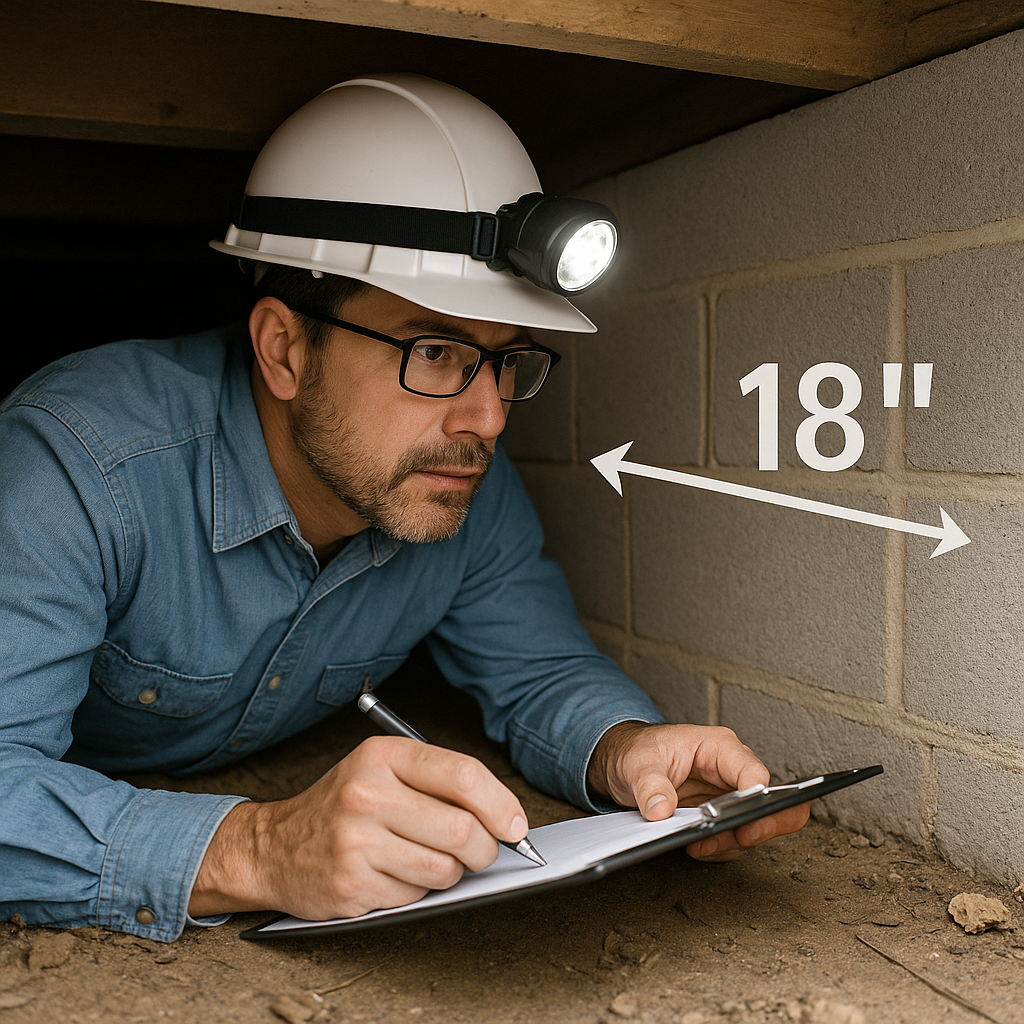
  • Minimum crawl space clearance (typically 18 inches)

  • Proper drainage to prevent water intrusion

  • Access panel to inspect utilities and structure

4. Utilities and Infrastructure

All utilities—water, sewer, gas, and electric—must be permanently connected and in compliance with local and national codes.


Financing a Manufactured Home with HUD Standards in Place

FHA Loans

FHA allows financing of manufactured homes only if they’re on a HUD-compliant foundation. The borrower must also meet standard FHA credit and income guidelines. A structural engineer’s foundation certification is mandatory.

VA Loans

The Department of Veterans Affairs follows similar rules. The VA appraisal process will include a review of the foundation, and any deficiencies can delay or derail a loan unless corrected and re-certified.

Conventional Loans (Fannie Mae & Freddie Mac)

Some conventional lenders offer financing for manufactured homes, but they also require that the home meet HUD foundation standards. Often, lenders will follow FHA guidelines for simplicity.


What If the Foundation Doesn’t Meet HUD Requirements?

You have two options:

  1. Retrofit the Foundation
    Hire a contractor experienced in HUD-compliant foundations. After the work is done, get it certified by a licensed engineer. Costs can range from $3,500 to $10,000+, depending on the existing setup and local conditions.

  2. Seek Cash Buyers or Specialty Lenders
    If upgrading the foundation isn’t feasible, you may be limited to selling for cash or working with a portfolio lender that does not follow FHA/VA guidelines.


Pro Tips for Buyers and Sellers

For Buyers:

  • Ask early: Always ask if the home has a HUD-compliant foundation and a prior certification report.

  • Budget for certification: If one isn't available, expect to pay $400–$700 for an engineer to inspect and certify.

  • Verify title: Make sure the home is legally classified as real property (not a DMV-titled vehicle).

For Sellers:

  • Get ahead of financing issues: If you're listing your manufactured home for sale, consider getting a foundation certification before putting it on the market.

  • Disclose land status: If the land is leased and not owned, financing options are extremely limited unless it's a HUD-approved leasehold.


Arizona Spotlight: HUD-Compliant Foundations in the Desert

If you’re in Phoenix, Anthem, Desert Hills, or rural areas like New River or Wittmann, be aware that older manufactured homes may sit on non-permanent supports or have outdated skirting. Upgrading to a HUD-compliant foundation can dramatically expand your buyer pool, especially if you're targeting FHA or VA buyers.

Also, not all local contractors understand the HUD process. It’s smart to work with professionals who have experience installing or retrofitting manufactured home foundations to federal standards.


Final Thoughts

Meeting HUD manufactured home foundation requirements isn’t just red tape—it’s the gateway to financing. Whether you’re buying your first manufactured home or preparing to sell one, understanding these standards can save you time, stress, and money.


Need help navigating manufactured home financing or connecting with a qualified foundation inspector in Arizona? Reach out—my team has experience with these unique transactions and can help you get it done right the first time.

May 4, 2025

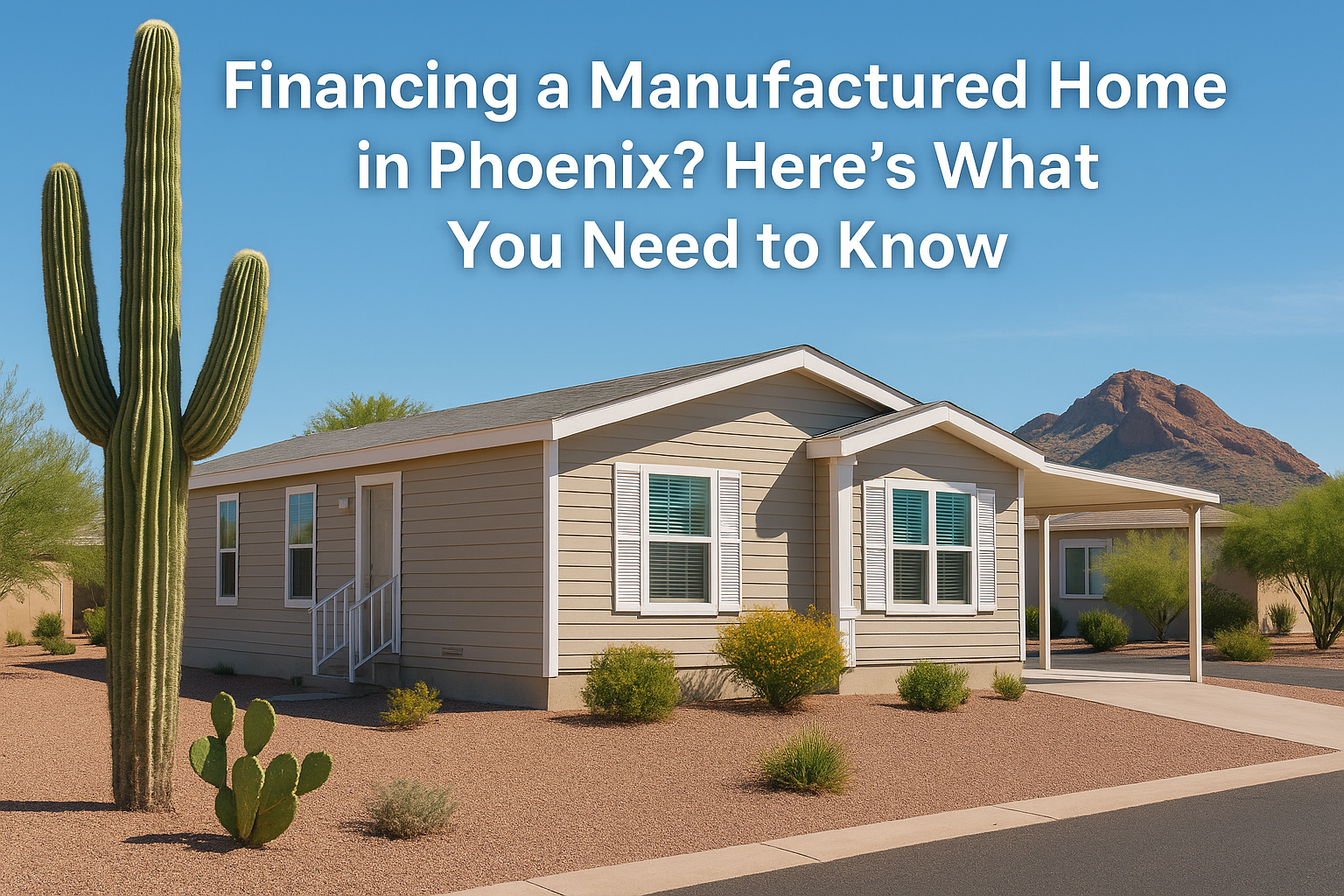
Can You Get a Loan for a Mobile Home? A Complete Guide to Financing Manufactured Homes in Phoenix, Arizona

Can You Get a Loan for a Mobile Home? Understanding Manufactured Home Financing in Phoenix, Arizona


Can You Get a Loan for a Mobile Home? Understanding Manufactured Home Financing in Phoenix, Arizona

If you're considering buying a manufactured home in Phoenix, Arizona, you're not alone. As home prices have risen across Maricopa County, many buyers are looking toward more affordable housing options—and manufactured homes can offer a cost-effective, comfortable path to homeownership. But before jumping in, it’s important to understand the financing landscape, especially if you're new to buying a home.

So… can you get a loan for a mobile home? Yes—but with conditions.

In this guide, we’ll walk you through:

  • The difference between manufactured homes and mobile homes

  • The importance of land ownership vs. renting

  • What standards your home must meet to qualify for financing

  • Loan programs available through Fannie Mae, FHA, and VA

  • Additional tips for buying manufactured homes in Phoenix, AZ

Let’s dig in.


What Is a Manufactured Home—and Why It Matters for Financing

Before we explore your loan options, it’s important to define what kind of home we’re talking about.

Manufactured vs. Mobile vs. Modular Homes

  • Mobile Homes: This term technically refers to homes built before June 15, 1976. These homes were not built to the strict HUD standards introduced after that date, and most lenders will not finance them.

  • Manufactured Homes: These are factory-built homes constructed after June 15, 1976, in compliance with the U.S. Department of Housing and Urban Development (HUD) code. They are built on a permanent steel chassis and delivered in one or more sections.

  • Modular Homes: Unlike manufactured homes, modular homes are built to local building codes (like stick-built homes) and assembled on site. These are usually treated like traditional site-built homes by lenders.

If you're buying a manufactured home in Phoenix, Arizona, that means it must be built post-1976, on a permanent chassis, and affixed to land to qualify for most loans.


Do You Own the Land—or Rent It?

Here’s where it gets tricky—and this will affect whether or not you can qualify for a loan.

Option 1: You Own the Land

If the manufactured home is affixed to land you own, it’s treated much like a traditional real estate transaction. That means:

  • You may qualify for conventional, FHA, or VA loans

  • You could receive better loan terms and lower interest rates

  • The property will be eligible for resale or refinancing more easily

This is the best-case scenario when it comes to financing.

Option 2: You Lease the Land

If your home is located in a park or community where you lease the land, the home is considered personal property, not real estate. Financing becomes limited to:

  • Chattel loans, which often come with higher interest rates and shorter terms

  • Specialty lenders that offer mobile home financing (not affiliated with government-backed programs)

In short: If you want access to the widest range of home loans, owning the land is key.


Fannie Mae Guidelines for Manufactured Homes

One of the largest sources of conventional home loans, Fannie Mae will finance manufactured homes under their MH Advantage® and HomeReady® programs, but there are requirements.

Fannie Mae Requirements

To finance a manufactured home through Fannie Mae, your home must:

  • Be built after June 15, 1976

  • Be double-wide (at least 12 feet wide and 600+ square feet)

  • Be titled as real property

  • Be permanently affixed to a foundation system that meets HUD standards

  • Be located on land you own (not leased)

  • Have HUD certification label(s) and Data Plate affixed to the home

Fannie Mae Financing Benefits

  • Down payments as low as 3% (for HomeReady® qualified buyers)

  • 30-year fixed interest rate options

  • Possibility of reduced mortgage insurance costs

This is a great route for buyers who meet income qualifications or are purchasing in underserved areas like some parts of Phoenix, AZ.


FHA Loans for Manufactured Homes

The Federal Housing Administration (FHA) offers two programs to help you buy a manufactured home: one for the home and land together, and one for the home only (if it's placed on leased land).

FHA Title II Loan

Used when you’re buying both the home and the land together. Requirements include:

  • The home must be new or relatively new (many lenders want less than 10–15 years old)

  • Must be built after June 15, 1976

  • Must be on a permanent foundation with a certified engineer’s report

  • You must own the land or lease it long-term (minimum 3-year lease)

Down payments are as low as 3.5% for qualified buyers, and credit scores can be as low as 580 (sometimes lower with higher down payment).

FHA Title I Loan

Used when you’re purchasing only the manufactured home—often the case when leasing space in a mobile home park.

  • Max loan term: 20 years for a single-section home, 25 years for multi-section

  • Less stringent property requirements

  • Higher interest rates than real property loans

  • Loan limits typically between $69,000 to $92,000

This can be a useful option if you're looking for a mobile home in Phoenix but aren't ready to purchase land.


VA Loans for Manufactured Homes

If you’re a veteran, active-duty service member, or qualifying spouse, a VA loan is one of the most powerful financing tools available—even for manufactured homes.

VA Loan Eligibility for Manufactured Homes

The VA will back loans for manufactured homes only if:

  • The home is permanently affixed to land

  • You own the land or are purchasing it as part of the transaction

  • The home meets HUD standards

  • A VA appraisal confirms value and condition

  • The home is considered real property

You’ll also need:

  • A certificate of eligibility (COE)

  • An eligible credit score (most lenders prefer 620+)

  • A foundation inspection by a licensed engineer

Benefits of VA Loans

  • No down payment

  • No private mortgage insurance (PMI)

  • Low fixed interest rates

  • Can be assumed by future buyers

In Phoenix, where many veterans reside, this is an ideal route for purchasing a manufactured home in Arizona with affordable financing.


Common Barriers to Financing a Manufactured Home

Even if you meet the basic loan requirements, a few issues can derail your ability to get financing.

1. Home Is Too Old

Homes built before 1976 are rarely eligible for financing unless they’ve been moved to a local building code (which is rare and costly). These are often better suited for cash purchases.

2. Home Has Been Moved Multiple Times

Some lenders won’t finance manufactured homes that have been moved more than once, due to concerns over structural integrity.

3. No HUD Tags or Data Plate

Without the required certification labels, it’s very hard to verify the home meets HUD standards. Replacements can be ordered, but it may delay the process.

4. Foundation Not Up to Code

If your home is not on a permanent foundation, or lacks a certified engineer’s inspection, you may be required to retrofit the foundation before closing.


Buying Manufactured Homes in Phoenix, AZ: What You Need to Know

Phoenix and the surrounding areas like Glendale, Mesa, and Apache Junction are home to thousands of manufactured homes—many located in active adult communities, all-age parks, and rural land settings. Here’s what to consider:

Local Zoning

Some parts of Phoenix prohibit or restrict manufactured homes. Make sure your target property is in a zone that allows them, especially if you're buying vacant land to place a new home.

Property Taxes

Manufactured homes titled as real property are assessed like any single-family home. If it's still personal property (not affixed), the taxes are typically lower but may include fees for the park lease.

Insurance Requirements

Lenders will require manufactured home insurance, which may be slightly more expensive than traditional homeowners’ insurance due to higher perceived risk.


Pros and Cons of Manufactured Home Financing

Pros Cons
Lower purchase price Limited loan availability for leased-land homes
Government-backed loans available Higher insurance and interest rates (in some cases)
Newer models are energy efficient Must meet stricter condition and foundation standards
Good option for first-time buyers Some stigma and zoning restrictions remain

Final Thoughts: Yes, You Can Get a Loan for a Mobile Home

So, can you get a loan for a mobile home? Absolutely—if the home and your situation meet the requirements. In Phoenix, Arizona, manufactured homes represent a smart option for buyers looking to enter the housing market without breaking the bank.

The key is understanding:

  • Whether the home is real property or personal property

  • If the foundation and build date meet HUD standards

  • Which loan type suits your situation—Fannie Mae, FHA, or VA


If you’re ready to explore manufactured homes in Phoenix AZ, make sure to work with a real estate professional who understands the ins and outs of manufactured home financing. It can make the difference between a stressful process and a successful move-in day
April 28, 2025

Cadora Desert Hills: Luxury Gated Community Coming to Desert Hills, AZ

CADORA DESERT HILLS LLC

Cadora Desert Hills: A New Luxury Community Coming to North Phoenix

Exciting news is on the horizon for North Phoenix and Desert Hills! Toll Brothers, one of the nation’s premier luxury homebuilders, has set its sights on developing a brand-new upscale community—Cadora Desert Hills. If you're keeping an eye on future opportunities in Maricopa County real estate, this is a development you'll want to know about.

What is Cadora Desert Hills?

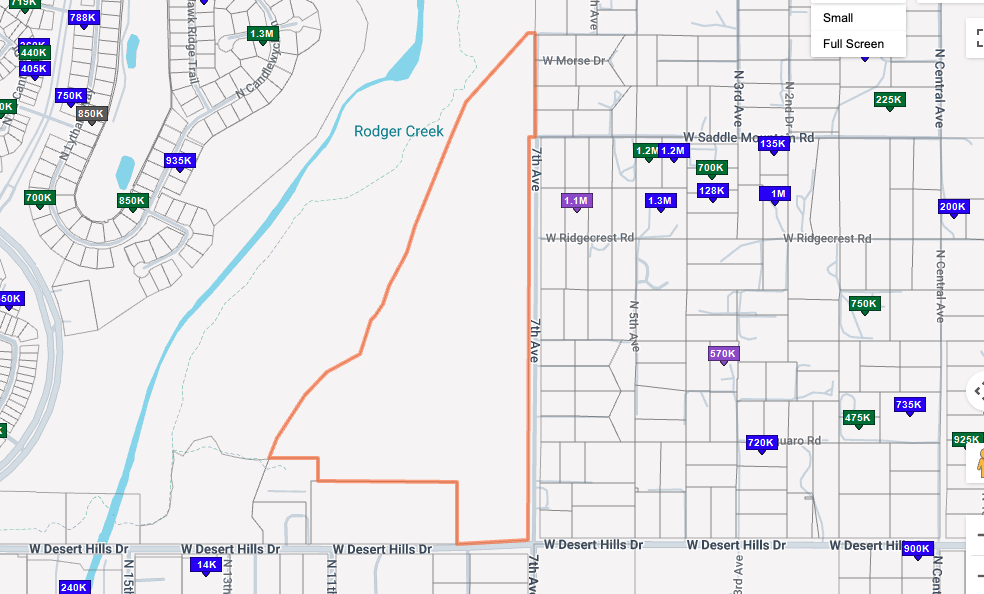
Cadora Desert Hills is a proposed residential subdivision currently in the planning stages with Maricopa County. Nestled near the scenic intersection of 7th Avenue and Desert Hills Drive, this 74-acre community promises spacious living, luxury design, and the tranquility Desert Hills is known for.

Here’s what we know so far:

  • Developer: Toll Brothers

  • Location: Northwest corner of 7th Avenue & Desert Hills Drive, Desert Hills, AZ

  • Size: 74 acres

  • Homes Planned: 56 luxury single-family homes

  • Lot Size: Minimum 35,000 sq. ft. per lot

  • Bonus: Optional casitas for added flexibility

  • Access: Two gated entrances—one from Desert Hills Drive and one from 7th Avenue

If you're someone who values privacy, space, and high-end finishes, Cadora Desert Hills is shaping up to be a community that checks all those boxes.

What Makes This Development Unique?

Unlike many new subdivisions that prioritize density, Cadora Desert Hills will maintain the area’s rural charm with large estate-sized lots—perfect for those who want room to breathe, add a workshop, store recreational toys, or simply enjoy wide open spaces.

Originally, past plans for this land included an equestrian center, but Toll Brothers has opted for a more streamlined residential focus, removing that amenity to cater to today’s luxury homeowner preferences.

Additionally, the community will feature gated entries, offering both privacy and security—two things that are always in demand in Desert Hills real estate.

Infrastructure & Community Details

Water services will be provided by EPCOR, and families will fall within the highly regarded Deer Valley Unified School District. For commuters or those needing quick access to city amenities, Desert Hills offers a peaceful escape while still being conveniently close to North Phoenix services.

One notable aspect of the planning process is a request to adjust the right-of-way dedication along Desert Hills Drive—from 65 feet down to 40 feet. This aligns with Maricopa County’s long-term transportation vision and ensures that the rural character of the area isn’t lost to overbuilt roadways.

A traffic impact study is also underway to ensure smooth access in and out of the community without disrupting the existing flow of Desert Hills living.

Where Does the Project Stand Now?

As of spring 2025, Cadora Desert Hills is still moving through the Maricopa County Planning & Zoning process. No public hearings have been scheduled just yet, but once dates are set, notices will be posted on-site for community input.

For buyers, investors, or anyone dreaming of a future home in Desert Hills, this project represents a rare opportunity—luxury homes on oversized lots, built by a trusted name in home construction.

Why Should You Care About Cadora Desert Hills?

Whether you're a buyer looking for a custom-feel new build, a current Desert Hills homeowner curious about how this might impact property values, or an investor watching North Phoenix growth—Cadora Desert Hills is worth keeping on your radar.

Toll Brothers developments tend to attract discerning buyers, which could elevate the overall market perception of the Desert Hills area. With only 56 homes planned, exclusivity will be part of the appeal.

Stay Updated with Local Real Estate Insights

At Dominion Group Properties, we keep a close eye on projects like Cadora Desert Hills because they shape the future of our local market. If you're interested in learning more about this development—or want to explore existing homes and land opportunities in Desert Hills, Anthem, or Cave Creek—we’re here to help.

Feel free to reach out if you'd like to discuss:

  • Future availability in Cadora Desert Hills

  • How nearby developments impact your home’s value

  • Finding land or luxury homes in Desert Hills today

Want to Stay Ahead of the Curve?


Sign up for our newsletter or contact us directly for updates on Cadora Desert Hills and other luxury communities coming to North Phoenix.

April 11, 2025

April 2025 Phoenix Housing Market Update | Inventory Up, Rates Surge

pril 2025 Phoenix Housing Market Update | Inventory Up, Rates Surge

🌵 Navigating the Phoenix Housing Market – April 2025 Edition

As we step into spring, the Phoenix housing market is sending mixed signals—but for buyers and sellers who understand the dynamics, there’s opportunity to be found.

Let’s start with the numbers. Active listings are up 47% from this time last year and rose 4.4% from last month alone. That’s a significant jump—and an unusual one for March to April—signaling growing supply. Buyers, this means you’ve got more options. Sellers, it’s time to sharpen your pricing and presentation.

Pending listings are up 1.8% from last year and 5% from last month. Monthly sales are up 2.6% year over year, and a full 19% compared to March. In short, demand is waking up—just not fast enough to keep pace with rising supply. This is one of those rare moments where both buyer and seller activity is rising at the same time, creating a fast-moving and competitive market.

Prices are holding—for now. The median sales price nudged up to $459,500, a 3.3% gain year-over-year. Price per square foot is $311.19, still higher than last year, though just a tick below March. But before sellers get too confident, it’s worth noting: this strength is being propped up by earlier luxury deals that were inked before the recent stock market turbulence. The high-end market is softening fast, and list prices in that segment are already adjusting.


💸 What’s Going On With Mortgage Rates?

This past week has been nothing short of a rollercoaster in the financial world, and mortgage rates weren’t spared. According to Mortgage Rates Daily, the U.S. bond market just experienced its biggest week-over-week increase since 1981—with the 10-year Treasury yield, the benchmark for many loan products, leading the charge.

Mortgage rates are tightly linked to the bond market, so this kind of volatility has a direct impact on what homebuyers pay. The average 30-year fixed rate jumped to 7.125% for top-tier borrowers, about half a percent higher than just one week ago—marking the steepest weekly spike since early 2022.

Why the sudden jump? There’s no single culprit. It’s a complex mix of shaken investor confidence, uncertainty over fiscal policy, and broad concerns over U.S. Treasury demand. The underlying mechanics are technical, but the bottom line is simple: investors are nervous, and when they get nervous, rates go up.

For home buyers, higher mortgage rates reduce purchasing power. For sellers, this puts added pressure on pricing, especially in markets that are already experiencing a flood of inventory. Everyone needs to be more strategic.


🏠 Where Does That Leave the Phoenix Market?

The Cromford® Market Index has now slipped below 80, signaling downward pressure on prices across the board. Inventory continues to grow, with year-to-date new listings up nearly 20% from this time last year. Supply is outpacing demand, and the market is feeling it.

Even new construction is shifting. Builders had a strong start to the year, but they're beginning to respond to rising rates and growing inventory. KB Home has already cut base prices, and other major builders are ramping up concessions. Publicly traded homebuilders are also showing signs of stress—Lennar and DR Horton are both down over 20%, while even Toll Brothers is off significantly.

In this type of market, buyers gain leverage. They have more properties to choose from and more negotiating power—especially in outlying or entry-level areas. With patience and a bit of persistence, they can find great value. Sellers who are realistic and price their homes according to the market will still find motivated buyers. Those who aren’t? Well, buyers are walking away more confidently than before.


📌 The Bottom Line

We’re in a transition market—one that’s shifting more power into the hands of buyers, even as demand inches up. Pricing is holding—for now—but the foundation is softening under the weight of high rates and rising supply.


Whether you're looking to buy, sell, or just stay informed, it's never been more important to watch the market closely and partner with professionals who know how to navigate these changing conditions.

March 13, 2025

March 2025 Update: Phoenix Housing Market Trends and Insights

March 2025 Update: Phoenix Housing Market Trends and Insights

March Edition of "Navigating the Phoenix Housing Market"

Welcome Back, Phoenix Home Enthusiasts!

Let's dive into the freshest scoop from the Cromford Report for Phoenix as of March 1, 2025, and see how it stacks up against last year. It's been an interesting month, and I’m here to break it all down for you in our casual catch-up style.

Market at a Glance

There’s been quite a stir in the listing numbers! We're looking at 23,934 active listings (excluding UCB & CCBS), which marks a 44% jump from last year. Counting UCB & CCBS, we’re at 27,377, up 38%. This surge tells us that there’s a hefty inventory hitting the streets compared to what we saw this time last year.

What’s Selling?

Despite the uptick in homes hitting the market, sales are holding steady. We saw 5,745 homes sold this March, nearly mirroring last year’s numbers. What's more interesting is the 21% spike in sales from just last month—talk about a spring comeback!

Price Points

On the pricing front, each square foot is fetching a bit more than it did last year, with an average of $312.54, up 6.8%. And if we’re talking about the median home price, that’s up to $459,000, which is a tidy 6.7% increase from last year.

Luxury Living

The high rollers aren’t slowing down either. The luxury segment saw 73 homes fetching over $3 million, punching at an average of $882 per sq. ft. Interestingly, these high-ticket transactions skew our average a bit—if we sideline these luxury listings, the average price per square foot would drop to $291.

Hot Spots and Not Spots

Not everywhere is feeling the heat equally. Places like Maricopa and Buckeye, where new builds are plentiful, are seeing some price dips thanks to the sheer volume of options available. Meanwhile, other areas of the market are holding strong, likely to even tick up as we roll through the year.

Wrapping Up

With more houses to choose from, Phoenix buyers are in a sweet spot to negotiate a deal that makes them smile. Sellers? It’s time to sharpen those strategies, because the market’s buzzing and it’s not waiting for anyone.


Keep tuning in, and I’ll keep you posted with all the latest trends and shifts in our Phoenix housing market. Here’s to making smart moves and finding dream homes!

Posted in Market Updates