Navigating The Phoenix Housing Market

Welcome to the official blog of Dominion Group Properties—your trusted resource for real estate news, market analysis, and expert guidance across Phoenix, Scottsdale, North Phoenix, Cave Creek, Carefree, and Anthem. Whether you're a home buyer, seller, investor, or planning a relocation within the Valley, our blog delivers timely content to keep you informed.

What We Cover

  • Local Market Trends & Housing Reports: Stay updated with monthly insights on inventory, pricing, and market shifts in Phoenix and the North Valley.
  • Home Buying & Selling Strategies: From financing manufactured homes to pricing historic properties, our articles cover every step of the process.
  • Community & Development News: Learn about upcoming neighborhoods like Desert Hills, emerging job centers, and how primed areas are shaping investment opportunities.
  • Property Management & Landlord Tips: Make informed decisions whether you're leasing, investing, or managing a residential property in Arizona.

Why Our Blog Stands Out

  • Content anchored in real-world market data and local expertise across Phoenix Metro and surrounding regions.
  • Written and curated by Jonathan Baer—broker, licensed loan officer, and real estate advisor with over 30 years’ experience and $240 million in closed transactions in Maricopa County.
  • Blog topics tailored for actionable insights, whether flipping a home in Cave Creek, planning a move to Anthem, or financing a manufactured home in Phoenix.

Bookmark this page and check back regularly for fresh updates, expert commentary, and smart strategies for navigating Arizona’s dynamic real estate market.

About the Author:
Jonathan Baer, Designated Broker and Real Estate Wealth Advisor at Dominion Group Properties, has completed over 1,000 transactions worth more than $240 million across Arizona.


Learn More About Jonathan Baer

March 13, 2025

Eternity Technologies Settles in Phoenix: Investment Sparks North Valley Real Estate Opportunities

Eternity Technologies Settles in Phoenix: Investment Sparks North Valley Real Estate Opportunities

Eternity Technologies Sparks Economic Buzz in Phoenix: A Golden Opportunity for Investors

Big news, Phoenix! Eternity Technologies has announced a game-changing move to set up its North American headquarters and a cutting-edge battery facility right in our backyard in Deer Valley Business Park. With a hefty $20 million investment, this global leader in industrial batteries is bringing not only innovation but a flurry of high-tech jobs to the area.

Why does this matter to you? Well, imagine the possibilities for residential real estate in the North Valley! As Eternity Technologies gears up to start operations, the influx of professionals and the company's commitment to sustainable manufacturing are set to boost the local economy and demand for housing. This is a call to action for savvy investors and homebuyers looking to capitalize on an area on the brink of transformation. Curious about what this means for your investment portfolio? Think about the potential growth in property values and rental demand!

For those intrigued by the vast potential of this development, delve deeper into the details by visiting the original article on the Arizona Commerce Authority’s website. This isn't just a win for Phoenix; it's a golden opportunity for anyone ready to invest in a flourishing future. Don't miss out on the chance to be part of this exciting development! Read more here.

Feb. 25, 2025

Exploring the Diverse Tapestry of the Valley of the Sun: A Comprehensive Guide


Discovering the Valley of the Sun: A Journey Through Arizona’s Most Unique Communities

Welcome to the Valley of the Sun, where the spirit of the Southwest meets modern urban life. From the bustling energy of Phoenix to the quiet charm of Carefree, every city in this vast metropolitan area has its own personality, culture, and hidden gems waiting to be explored.

Ready for a deep dive into some of the most intriguing spots in the Valley? Let’s go!

Vibrant Cities & Hidden Treasures

Anthem: A Desert Oasis with Small-Town Charm

Tucked away in the northernmost part of the Valley, Anthem offers a perfect blend of outdoor adventure and community spirit. With sprawling parks, scenic hiking trails, and a family-friendly atmosphere, it’s a haven for nature lovers. Don’t miss Anthem Community Park, where locals gather for concerts, farmers' markets, and seasonal events.

Cave Creek: Where the Old West Lives On

If you’re looking for cowboy country with a modern twist, Cave Creek delivers. Wander through quirky Western shops, enjoy a cold drink at an authentic saloon, or ride horseback through the Sonoran Desert. Want a real taste of the Wild West? Time your visit for one of the town’s bull-riding events.

Carefree: A Name That Says It All

Looking to escape the hustle? Carefree is your go-to retreat. Stroll through the lush Desert Gardens, admire the massive Sundial, and soak up the town’s laid-back, artistic vibe. Whether you're browsing local art galleries or indulging in a spa day, life slows down in Carefree.

Scottsdale: The Pinnacle of Desert Luxury

With its world-class resorts, fine dining, and vibrant nightlife, Scottsdale blends Southwest heritage with modern elegance. Shop in the boutiques of Old Town, explore the stunning McDowell Sonoran Preserve, or indulge in the city’s thriving art and culinary scenes.

Phoenix: The Beating Heart of the Valley

Phoenix is the ultimate melting pot of history, culture, and adventure. Whether you’re wandering through the exhibits at the Heard Museum, hiking Camelback Mountain, or sampling global cuisine, the city offers endless experiences. For sports fans, catching a Suns, Cardinals, or Diamondbacks game is a must!

Tempe: A College Town with a Big Personality

Home to Arizona State University, Tempe pulses with energy. Walk along Tempe Town Lake, explore the artsy Mill Avenue District, or catch a live performance at the Tempe Center for the Arts. It’s a hotspot for music, food, and youthful vibes.

Chandler: Historic Meets Hip

With its charming historic downtown, Chandler effortlessly blends old-school charm with modern attractions. Foodies will love its emerging culinary scene, while outdoor lovers can explore the Chandler Nature Center and Veterans Oasis Park.

Gilbert: From Farmland to Thriving Suburb

Once known for agriculture, Gilbert has grown into a vibrant suburban community. Stroll through the Heritage District, filled with trendy restaurants and coffee shops, or spend a day at the popular Riparian Preserve, a hidden oasis teeming with wildlife.

Mesa: Culture and Adventure in One Place

Arizona’s third-largest city, Mesa is a mix of urban energy and outdoor beauty. Dive into history at the Arizona Museum of Natural History, catch a show at the Mesa Arts Center, or take in the breathtaking views of Usery Mountain Regional Park.

Queen Creek: Small-Town Charm with Big Adventures

For a slower pace, Queen Creek offers a mix of farm-fresh experiences and outdoor fun. Visit Schnepf Farms for seasonal festivals, tour the Queen Creek Olive Mill, or explore the San Tan Mountain Regional Park.

Goodyear: Sports and Sunshine

Named after the Goodyear Tire Company, this fast-growing city is home to spring training baseball, scenic parks, and a lively community atmosphere. Catch a game at Goodyear Ballpark or explore the trails at Estrella Mountain Regional Park.

Avondale: A Growing Hub of Excitement

With its rich history, shopping centers, and outdoor attractions, Avondale is quickly gaining popularity. Get your adrenaline fix at Phoenix Raceway, or take a relaxing day at Friendship Park with family and friends.

Peoria: The Outdoor Enthusiast’s Dream

From the Peoria Sonoran Preserve to the city’s many golf courses, Peoria is an outdoor lover’s paradise. Take a scenic hike, kayak at Lake Pleasant, or enjoy live performances at the Peoria Center for the Performing Arts.

Glendale: Sports, Shopping, and Entertainment

Whether you’re catching an NFL game at State Farm Stadium, seeing a concert at Desert Diamond Arena, or shopping at the Arrowhead Towne Center, Glendale is a hub of excitement. Don't forget to explore the charming Historic Downtown Glendale.

Surprise: More Than Meets the Eye

Despite its name, Surprise is packed with pleasant surprises. The city boasts fantastic golf courses, hiking spots, and family-friendly attractions. Sports fans flock here for MLB spring training games, while nature lovers explore White Tank Mountain Regional Park.

Buckeye: The Valley’s Fastest-Growing City

Buckeye is booming with new communities and businesses, yet it still maintains its small-town charm. Take in the Skyline Regional Park’s vast desert landscapes, visit the Buckeye Valley Museum, or check out the local farmers’ markets for fresh produce.

Where Will Your Journey Take You?

Every city in the Valley of the Sun offers something special. Whether you're drawn to the historic charm of Cave Creek, the luxury of Scottsdale, or the adventure of Buckeye, there's always more to explore.

So, what’s next on your Arizona adventure? Whether you’re a local or just visiting, the Valley of the Sun is full of surprises—and we’d love to help you discover them!

Sources:

  1. Anthem Community Council - https://www.onlineatanthem.com/
  2. Town of Cave Creek - https://www.cavecreek.org/
  3. Town of Carefree - https://www.carefree.org/
  4. Experience Scottsdale - https://www.experiencescottsdale.com/
  5. City of Phoenix - https://www.phoenix.gov/
  6. City of Tempe - https://www.tempe.gov/
  7. City of Chandler - https://www.chandleraz.gov/
  8. Town of Gilbert - https://www.gilbertaz.gov/
  9. City of Mesa - https://www.mesaaz.gov/
  10. Town of Queen Creek - https://www.queencreek.org/
  11. City of Goodyear - https://www.goodyearaz.gov/
  12. City of Avondale - https://www.avondaleaz.gov/
  13. City of Peoria - https://www.peoriaaz.gov/
  14. City of Glendale - https://www.glendaleaz.com/
  15. City of Surprise - https://www.surpriseaz.gov/
  16. City of Buckeye - https://www.buckeyeaz.gov/

 

Feb. 12, 2025

Reverse Mortgages: How They Work & What You Need to Know

Reverse Mortgages: How They Work & What You Need to Know

Reverse Mortgages: What You Need to Know

If you're 62 or older and worried about money in retirement, a reverse mortgage might help. It lets you use your home’s value to get cash without selling your house or making monthly payments. But how does it work? Let’s break it down in simple terms.

What Is a Reverse Mortgage?

A reverse mortgage is a special loan for homeowners 62 and older. It lets you turn part of your home’s value into cash. You don’t make monthly payments—instead, the loan is paid off when you sell your home, move out, or pass away.

The most common type is the Home Equity Conversion Mortgage (HECM), which is backed by the government. There are also private reverse mortgages for higher-value homes.

How Can It Help You?

  • No Monthly Mortgage Payments – You won’t have to pay a mortgage bill every month.

  • Stay in Your Home – You still own your home as long as you follow the loan rules.

  • Choose How to Get Your Money – You can get a lump sum, monthly payments, a line of credit, or a mix.

  • Tax-Free Money – The money you get isn’t taxed because it’s a loan, not income.

  • You Won’t Owe More Than Your Home’s Value – No matter what happens, you or your heirs won’t have to pay back more than what your home is worth.

What Are the Rules?

To qualify, you must:

  • Be at least 62 years old

  • Own your home (or have a small mortgage that can be paid off with the loan)

  • Live in the home as your main residence

  • Keep up with property taxes, insurance, and home maintenance

  • Complete a government-approved counseling session to make sure you understand the loan

Fixed vs. Variable Reverse Mortgages

Fixed-Rate Reverse Mortgage

  • You get one big payout at closing.

  • The interest rate stays the same for the life of the loan.

  • Best if you need a large sum of money right away, like to pay off debt.

Variable-Rate Reverse Mortgage

  • The interest rate changes over time.

  • You can get your money in monthly payments, a line of credit, or both.

  • The line of credit grows, meaning you could access more money later.

  • Best if you don’t need all the money at once and want more flexibility.

How Much Money Can You Get?

The amount depends on:

  • Your age (the older you are, the more you can get)

  • Your home’s value

  • Current interest rates

  • How much you still owe on your mortgage

Want to find out how much equity you could tap into? Use this online calculator: [Insert Link to Reverse Mortgage Calculator]

Is a Reverse Mortgage Right for You?

A reverse mortgage could be a great option if you:

  • Want to stay in your home

  • Need extra money to cover living expenses

  • Don’t want to make monthly mortgage payments

But keep in mind:

  • It reduces the amount of home equity you can pass to your heirs.

  • You must keep up with taxes, insurance, and home maintenance.

  • If you move out or pass away, the loan will need to be repaid.

Final Thoughts

A reverse mortgage can help you stay in your home and get extra money for retirement. But it’s important to understand the rules and pick the right option for you.

Want to learn more?  Contact Jonathan Baer at 623-252-1424.  

Feb. 11, 2025

Navigating the Phoenix Housing Market – February 2025

Navigating the Phoenix Housing Market – February 2025

Navigating the Phoenix Housing Market – February 2025: Trends, Prices & What to Expect

The Phoenix housing market is seeing a mix of rising home prices and increased inventory, creating both opportunities and challenges for buyers and sellers. As we analyze the latest real estate trends, we’ll break down key statistics, what’s driving the market, and what to expect in the coming months.

Phoenix Housing Market Trends – February 2025

As of February 1, 2025, there are 22,432 active home listings, a 44% increase from the same time last year. Compared to last month, inventory has also climbed 12.1%, giving buyers significantly more options. Pending sales stand at 4,408, slightly down (-3.7%) from a year ago but up 33% from last month. The number of homes under contract is nearly unchanged year-over-year at 7,403 (-0.3%), though up 35% from January.

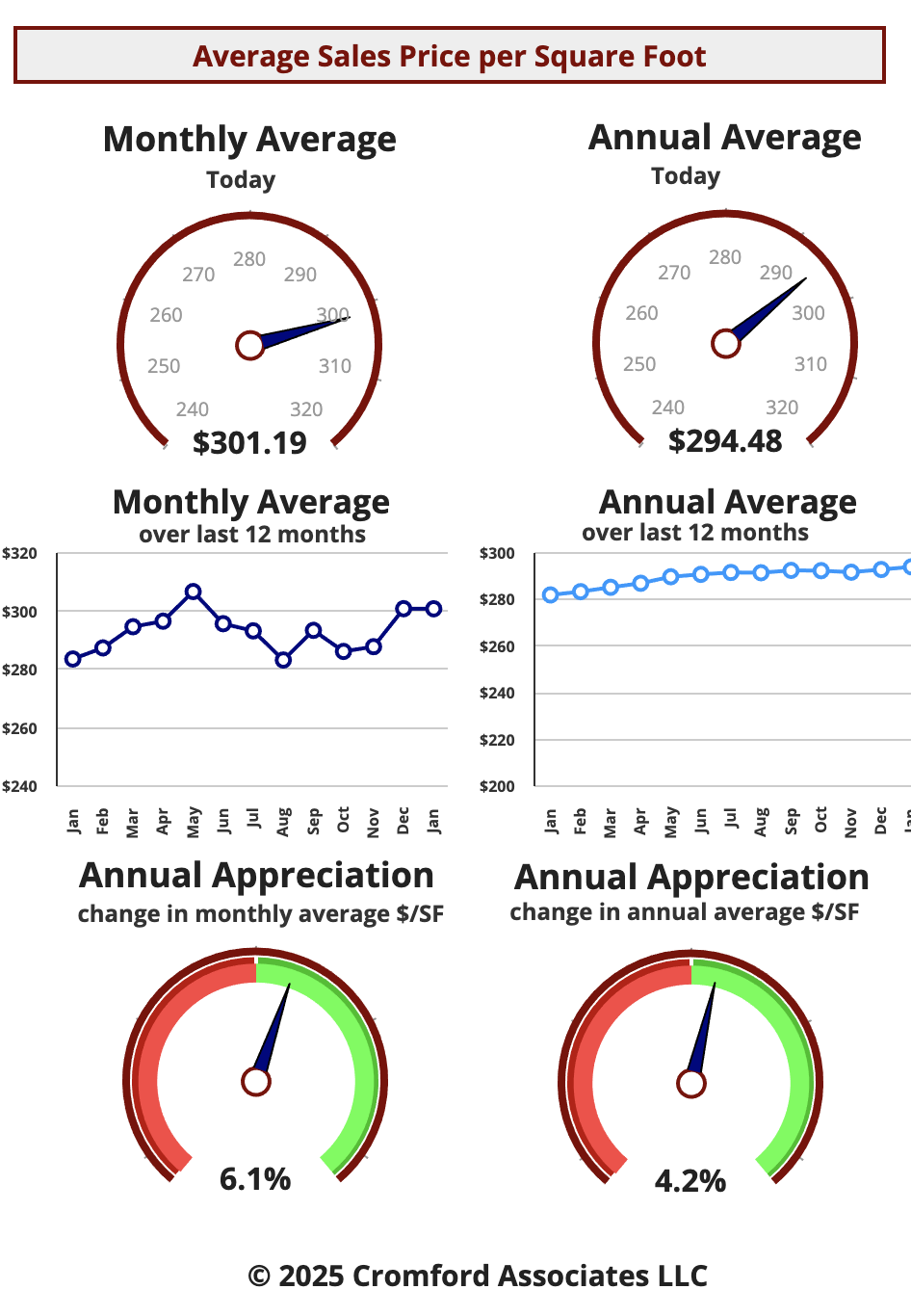
The Phoenix real estate market is still seeing price growth, though much of it is being driven by the luxury sector. The average price per square foot is now $314.24, reflecting an 8.8% year-over-year increase and a 3.6% jump from last month. Meanwhile, the median home price has reached $453,500, up 5.5% from February 2024 and 0.8% higher than last month.

Is Phoenix a Buyer’s or Seller’s Market in 2025?

For home sellers, rising inventory is a growing challenge. The number of active listings has surged over the past year, giving buyers more options and putting pressure on sellers to stay competitive. This is a bigger jump than last year, when listings rose by only 7% in January. While home sales are 5.5% higher than a year ago, buyers remain cautious, leading to slower-than-expected growth in pending contracts.

For buyers, the increase in available homes provides more negotiation power, but interest rates remain a concern. The 30-year fixed mortgage rate is still above 7%, limiting affordability. However, if inventory continues to rise, buyers may find better deals in the coming months.

Luxury Home Sales Are Inflating Phoenix Housing Prices

The luxury home market in Phoenix is experiencing a boom, significantly impacting the overall price data. Over the last two months, 142 homes priced at $3 million or more have sold, up from 92 last year. Even more striking, 35 homes priced at $6 million or more have closed, compared to just 9 a year ago—a 289% increase.

This surge in high-end home sales is inflating the average sales price per square foot, making it appear that the entire market is experiencing strong price growth. However, for most homebuyers and sellers, the median home price is a more accurate measure of price trends—and that figure has barely moved in the past three months.

Mortgage Rates & The Future of the Phoenix Housing Market

Although mortgage rates have come down slightly from their peak, they remain above 7%, and the Federal Reserve has not signaled any immediate rate cuts. This means that housing affordability in Phoenix will continue to be a challenge for many buyers, keeping demand relatively low. With supply increasing, sellers may need to adjust expectations as competition rises.

The Cromford Market Index, a key indicator of market strength, is slowly declining, suggesting that Phoenix’s housing market will likely remain balanced but cautious in the near term. However, luxury home buyers remain unaffected by mortgage rates, as their purchasing decisions are more influenced by the stock market and crypto investments. If those markets cool, high-end home sales could slow down, but if they remain strong, luxury real estate in Phoenix will likely continue to thrive.

Phoenix Real Estate Market Forecast – What’s Next?

Looking ahead, the Phoenix housing market in 2025 is expected to remain dynamic and competitive. Buyers will benefit from more choices, while sellers will need to adapt to rising inventory levels. The luxury sector will likely continue its strong performance, but its influence on the overall market remains limited.

For those considering buying or selling a home in Phoenix, staying informed about mortgage rates, market trends, and inventory shifts will be essential. Whether you’re entering the market now or waiting for conditions to shift, working with an experienced real estate professional can help you navigate the evolving landscape.

📌 Source: The Cromford Report

Feb. 8, 2025

Navigating Home Sales: How Listing Agents Aid Unrepresented Buyers and Benefit Homeowners

Navigating Home Sales: How Listing Agents Aid Unrepresented Buyers and Benefit Homeowners

How Listing Agents Can Facilitate the Home Buying Process for Unrepresented Buyers and Reduce Stress for Homeowners

When selling a home, encountering a buyer without an agent — known as an unrepresented buyer — can introduce unique challenges and opportunities. In such scenarios, the expertise of your listing agent becomes invaluable, not only in facilitating the transaction but also in minimizing stress and risk for you as the homeowner. Here's a look at how a skilled listing agent can bridge the gap between you and an unrepresented buyer to ensure a smooth and successful home sale.

The Role of the Listing Agent in Transactions with Unrepresented Buyers

1. Educating and Guiding the Buyer

An unrepresented buyer may lack detailed knowledge about the home buying process, which can lead to misunderstandings and delays. A proficient listing agent can step in to educate the buyer on essential steps such as making an offer, securing financing, and understanding the escrow process. This guidance helps ensure the buyer feels more confident and informed, which can streamline the transaction and reduce delays.

2. Ensuring Compliance and Transparency

Real estate transactions involve numerous legal requirements and paperwork that can be daunting for an unrepresented buyer. Your listing agent can help by ensuring that all legal and procedural requirements are met, thereby protecting all parties involved. They ensure that disclosures are fully and accurately completed and that the buyer understands their implications, minimizing potential liabilities and future disputes.

3. Negotiating Effectively

Without a buyer’s agent, the negotiation process can become directly focused between the seller’s agent and the buyer. Your listing agent can use their negotiation expertise to fairly represent your interests while also creating a respectful and cooperative atmosphere. By managing negotiations professionally, they can help in achieving a win-win outcome that satisfies both you and the buyer.

4. Managing Documentation and Deadlines

The abundance of paperwork and strict deadlines can be overwhelming for buyers without an agent. Your listing agent plays a critical role in managing this aspect, ensuring that all documents are correctly handled and that important deadlines are met. This level of organization is crucial for preventing errors and ensuring that the transaction proceeds smoothly without unnecessary stress or delay.

5. Facilitating Inspections and Appraisals

A listing agent coordinates necessary appointments such as property inspections and appraisals, which are pivotal parts of the buying process. They ensure that these evaluations are conducted fairly and professionally, providing necessary access and information to the relevant professionals and helping the buyer understand the outcomes and any implications for the negotiation.

Understanding Dual Agency

Dual agency occurs when a single real estate agent or brokerage represents both the buyer and the seller in the same transaction. While it can simplify communications and procedures, dual agency can also present significant challenges:

  • Conflicts of Interest: The agent must remain neutral, which can complicate their ability to advocate aggressively on behalf of either party.
  • Reduced Advocacy: Each party might not receive the full benefit of an agent’s advice and expertise, as the agent must avoid favoring one client over the other.

Why Sellers Might Prefer Exclusive Representation

Given the complexities and potential conflicts inherent in dual agency, many sellers prefer to have their listing agent focus solely on their interests. Here are key reasons why:

  • Dedicated Representation: An agent solely representing you can fully advocate for your interests without the need to balance opposing needs of a buyer.
  • Clear Communication: There is no risk of miscommunication stemming from an agent trying to serve both sides.
  • Maximized Sale Potential: Your agent can focus on marketing your property, negotiating the best sale terms, and navigating the transaction with your goals as the priority.

Benefits to the Homeowner

  • Reduced Stress: By taking on the responsibility of guiding the buyer through the process, your listing agent can significantly reduce the stress you face during the sale.
  • Decreased Risk: With a professional ensuring that all parts of the deal are executed correctly, the legal and financial risks to you as the homeowner are minimized.
  • Efficiency and Speed: Expert handling of negotiations and paperwork can speed up the transaction, making it more efficient and less likely to encounter delays.

Conclusion

Handling a home sale with an unrepresented buyer doesn't have to be a daunting challenge. With a knowledgeable and experienced listing agent, the process can be made much simpler and safer. They not only facilitate the transaction by providing necessary guidance and managing details but also protect your interests as a homeowner, ensuring that the sale concludes successfully and satisfactorily for everyone involved. This professional support is invaluable in maximizing the benefits of the sale while minimizing potential stresses and risks.

Jan. 29, 2025

What Determines Mortgage Rates? It's Not the Fed - The Real Factors Explained

What Determines Mortgage Rates? It's Not the Fed - The Real Factors Explained

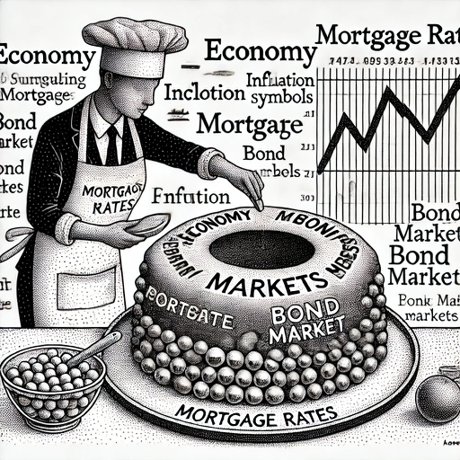
What Determines Mortgage Rates? Spoiler: It's Not the Fed (Surprise!)

Ah, mortgage rates. Those little numbers that can make or break your dream of homeownership, right? You might be thinking, "Well, the Federal Reserve is probably to blame for the rate I’m seeing, isn’t it?" While it might be fun to blame the Fed for all your woes, unfortunately, that’s not how this whole mortgage rate thing works. So, let’s take a deep dive into what actually drives those rates and why your friendly neighborhood Fed isn’t the root cause of your financial headaches.

1. The Economy (Not Just the Fed)

Yes, the broader economy is a huge player when it comes to mortgage rates. It’s like saying the weather affects your mood; the economy’s ups and downs play a big part in where rates land. If the economy is humming along nicely—low unemployment, strong growth, people spending money—the demand for loans can increase. That means mortgage rates might rise to help slow things down a bit (we don’t want the economy overheating now, do we?).

On the flip side, if the economy is struggling, say there’s a recession or consumers aren’t buying as much, the Fed might cut rates to encourage more borrowing. But guess what? That’s just one factor in a much bigger picture.

2. Inflation: That Pesky Beast

The real culprit behind mortgage rates (and probably your student loans, credit cards, and that overpriced latte you just bought) is inflation. When inflation is high, the purchasing power of your money decreases, and lenders are less keen to hand out loans. To combat that, they raise interest rates to make borrowing more expensive. That means mortgage rates go up because lenders need to stay competitive and ensure they get a good return on their money.

So, no, it’s not just the Fed raising rates because they’re bored—it's the economy telling everyone, “Hey, slow down, you’re spending too much.”

3. The Bond Market (Where the Magic Really Happens)

Okay, now we get to the secret sauce. The bond market is the real behind-the-scenes player when it comes to mortgage rates. Specifically, when you hear about "10-year Treasury notes" and "government bonds," you’re hearing about what investors are willing to pay for those bonds.

When bond prices go up, mortgage rates go down. Why? Because bond yields (what investors earn) move in the opposite direction of bond prices. If bonds become more attractive to investors, they buy more, which pushes rates down, and vice versa. It’s all about supply and demand—and guess what? The Fed doesn’t have control over the global bond market.

4. Your Personal Creditworthiness (Yes, You!)

Okay, now that we’ve tackled the economy and the bond market, let’s talk about you, the borrower. Mortgage rates are also affected by your personal credit profile. If your credit score is stellar, you’ll probably get a lower rate because lenders see you as less risky. If your score is in the dumps, well, prepare for a higher rate—because lenders are going to charge you more for the privilege of borrowing their money.

So, despite the headline-grabbing headlines about "Fed raises rates," your creditworthiness and how you manage your debt can be the deciding factor for your mortgage rate.

5. Global Factors (Because, Why Not?)

Let’s not forget about the global market. Yes, we live in a global economy, and mortgage rates in the U.S. can be affected by what happens overseas. When things go south in other countries, investors often flock to safer investments like U.S. Treasury bonds, which pushes yields down and, consequently, mortgage rates lower.

It’s a crazy interconnected world out there, and it turns out, the Fed’s power is just one small cog in a much larger machine.

6. The Fed's Role (Surprise, It’s Smaller Than You Think)

Now, here’s the part where we admit the Fed does play a role—but it’s not as big as you might think. Yes, they set short-term interest rates, which can have an indirect effect on longer-term mortgage rates. However, as we’ve seen, mortgage rates are influenced by so many factors—economic growth, inflation, the bond market—that the Fed’s influence is just one piece of the puzzle.

So, no, if you’re sitting around waiting for the Fed to save the day and magically lower your mortgage rate, you’re going to be in for a long wait.

In Conclusion: It's Not the Fed (Honestly)

In short, mortgage rates are driven by a mix of economic factors, inflation, the bond market, and—yes—your personal credit history. The Fed is just one piece of this intricate puzzle, and it's not the one holding the magic key to lower rates. So, next time you hear someone blame the Fed for their mortgage woes, just know that there’s a much bigger financial dance going on behind the scenes—and the Fed is just doing the cha-cha on the sidelines.

Mortgage rates are what they are because of a million things happening at once. And while we may not have control over all of them, understanding the key players in this game can help you make smarter decisions.


For more information on the mortgage market.  

Jan. 11, 2025

Navigating the Phoenix Housing Market: January 2025 Insights

Navigating the Phoenix Housing Market: January 2025 Insights

A Detailed Look at the Current Trends and What They Mean for You

As we step into the new year, understanding the latest dynamics of the Phoenix housing market is crucial for anyone involved in real estate, whether you're buying, selling, or just keeping an eye on trends. Here’s a simplified breakdown of the latest data from the Cromford Report as of January 1, 2025, and how it compares to last year:

Overview of Market Activity

  • Active Listings: There has been a significant increase in active listings at the start of 2025 with 20,007 active listings, up 37% from last year, although this is a slight decrease of 7.3% from the previous month.
  • Under Contract Listings: Listings that are pending or under contract show a modest increase of 7.2% from last year to 5,496.
  • Monthly Sales: Sales have notably increased by 13.4% compared to last year, with a total of 5,581 properties sold.

Pricing Trends

  • Average Sales Price per Square Foot: There’s a noticeable increase in the average sales price per square foot, now at $303.62, which is 6.8% higher than last year.
  • Median Sales Price: The median sales price has shown a steady increase to $450,000, up 4.7% from last year.

Analysis of Current Market Conditions

The data indicates a robust recovery in several key areas of the Phoenix real estate market:

  • Supply Decrease: The decline in active listings as compared to last month suggests a seasonal pattern, typically expected during the winter months. However, the increase from last year indicates that more homes are entering the market, albeit at a slower pace than demand grows.
  • Closed Sales Growth: The growth in closed sales both from last month and year-over-year reflects an improving market scenario, albeit still below the long-term average.

What Does This Mean for Buyers and Sellers?

  • Sellers: The increase in prices and the decrease in active listings compared to last month create a more favorable market for sellers. Fewer listings mean less competition, potentially higher selling prices, and quicker sales.
  • Buyers: While the market is moving towards a balance, certain areas remain buyer-friendly, particularly the more remote locations. High mortgage rates over 7% continue to challenge the market, keeping some potential buyers cautious.

The Luxury Market and Home Builders

  • Luxury Market: The upscale luxury home market remains strong, driven by a frothy stock market and high cryptocurrency values, which have bolstered the financial position of the affluent, increasing demand for high-end properties.
  • Home Builders: Despite the earlier gains in 2024, home builders have seen a fluctuation in stock values by year-end due to persistent high mortgage rates. The increase in unsold new home inventories may lead to more negotiation room for buyers looking for new construction homes ready to move in.

Looking Ahead

The next few months are critical for the Phoenix housing market. The amount of new listings will dictate whether the market continues to balance or shifts back towards a buyer's market. Monitoring these trends will be crucial for making informed decisions in the real estate space.

Stay tuned to the latest updates and insights from the Cromford Report as we continue to navigate through the complexities of the Phoenix housing market in 2025. Whether you're planning to buy, sell, or simply stay informed, understanding these patterns will help you make smarter, more strategic decisions in the real estate world.


January 2025 Market Snap Shot

Jan. 6, 2025

A Buyer's Guide to Low Interest Rates


Why Home Buyers in Phoenix Should Consider Assumable Loans for Low Interest Rates

Why Home Buyers in Phoenix Should Consider Assumable Loans for Low Interest Rates

The housing market in Phoenix is dynamic and full of opportunities, but one factor that’s constantly on homebuyers’ minds is securing a favorable mortgage rate. With interest rates climbing over the past year, many potential homebuyers are finding themselves priced out of their dream homes or paying significantly more for financing. However, there is an often-overlooked strategy that can help buyers find a home with a much lower interest rate: purchasing a property with an existing VA or FHA loan that can be assumed by the buyer.

In this blog, we’ll delve into the benefits of buying a home with an assumable loan, particularly one that has a VA or FHA loan attached, and how this option can be an excellent strategy for buyers seeking lower interest rates in the 2-3% range. If you’re in the market for a home in Phoenix, Arizona, and are looking for ways to lock in a low interest rate, you won’t want to miss this opportunity!

What is a Loan Assumption?

A loan assumption is the process where a buyer takes over the existing mortgage loan of the seller instead of getting a new mortgage from a lender. Essentially, the buyer "assumes" the seller’s loan. In the case of VA or FHA loans, this can be a powerful tool because these loans typically offer lower interest rates, and assuming the loan allows buyers to bypass today’s higher rates.

It’s important to note that not all loans are assumable. Most conventional loans (which are not backed by a government entity) do not allow loan assumptions. However, government-backed loans such as the Department of Veterans Affairs (VA) loans and Federal Housing Administration (FHA) loans often have clauses that allow the buyer to assume the loan. These loans are typically more favorable for buyers who are looking for lower interest rates.

Why Should a Home Buyer in Phoenix Consider Loan Assumption?

  1. Lock in Lower Interest Rates The biggest draw for homebuyers considering an assumable loan is the opportunity to lock in an interest rate that is significantly lower than today’s rates. For example, many VA and FHA loans taken out in the past few years are in the 2-3% range. In contrast, rates in 2024 are much higher, with the average rate on a 30-year fixed mortgage hovering around 6-7%.

    When a buyer assumes the seller’s VA or FHA loan, they don’t have to worry about today’s higher interest rates. They simply inherit the existing loan and continue to pay it off at the favorable rate the seller originally secured. For buyers in Phoenix who may feel discouraged by the high current rates, this can be a game-changer.

  2. Less Competition The current market environment has created fierce competition among homebuyers. Many buyers are bidding on the same properties, and some homes are selling for well above the asking price. Buyers who are seeking to take advantage of low-interest loans may find fewer competing buyers for homes with assumable loans. Not every buyer understands or is willing to pursue this option, which can give you a distinct advantage.

  3. Simplified Closing Process Assumable loans tend to have a simpler closing process compared to traditional loans. Since the buyer is assuming an existing loan, there may be fewer hurdles when it comes to underwriting and approval. The buyer doesn’t need to secure new financing, which can streamline the process and potentially save on closing costs.

  4. Opportunities for Veterans If you are a military veteran or active service member, this is an especially attractive option. VA loans are designed to help veterans purchase homes with favorable terms, including no down payment and low interest rates. If you qualify for a VA loan, assuming a seller’s VA loan could be an excellent way to purchase a home in Phoenix with a very low interest rate.

  5. FHA Loan Flexibility FHA loans are another great option for buyers seeking low interest rates. While FHA loans typically require a down payment, they also come with lower credit score requirements, making them more accessible to a wide range of buyers. If a seller’s FHA loan has a low interest rate, assuming it can help buyers save money on financing while still securing a home that fits their needs.

How Loan Assumptions Work with VA and FHA Loans

Before you jump into assuming a loan, it’s important to understand how the process works, especially with VA and FHA loans. Here’s a breakdown of the steps involved:

1. The Seller’s Loan Must Be Assumable

As we mentioned earlier, not all loans are assumable. For a VA or FHA loan, the loan documents will specify whether or not the loan can be assumed by another borrower. VA loans, for instance, are generally assumable, but there are some specific rules that must be followed. If the seller’s loan is assumable, this will open the door for the buyer to take over the loan.

2. Get Approval from the Lender

Even if the loan is assumable, the buyer still has to be approved by the lender. This means that the buyer will have to meet the lender’s credit and financial requirements. For FHA and VA loans, the approval process may be less stringent than for conventional loans, but it’s still necessary to prove financial stability.

The good news is that because the buyer is assuming an existing loan, they may not have to go through a full underwriting process as they would with a traditional loan. The lender’s main concern is that the buyer can handle the mortgage payments.

3. Seller’s Responsibility to Release Liability

If the buyer is assuming the seller’s loan, the seller must be released from liability for the loan. This means that the seller’s obligation to repay the loan is transferred to the buyer. However, in some cases, the seller may remain on the hook for the loan if the buyer defaults, so it’s essential for both the buyer and seller to fully understand their respective responsibilities.

4. Terms of the Loan

The buyer will inherit the existing loan terms, including the interest rate, monthly payment, and remaining balance. If the seller has a 2.5% VA loan with a balance of $300,000, the buyer can assume that loan and continue making payments at that low interest rate.

In some cases, the buyer may need to pay the seller some money upfront if the loan balance is less than the sale price of the home. This is especially common when there’s significant equity in the home. However, the buyer can negotiate with the seller to determine how to handle this situation.

5. Review the Mortgage Terms

It’s important to review the terms of the mortgage when considering assuming a loan. Some terms may be more favorable than others, and buyers should ensure that the loan is in good standing and that there are no penalties or hidden costs involved in assuming it.

How I Can Help You Find and Buy Homes with Low-Interest Rates via Loan Assumption

As a real estate broker, I have extensive knowledge of the Phoenix market and can help you find homes that are eligible for loan assumption. If you’re interested in exploring this option, here’s how I can assist:

  1. Identifying Properties with Assumable Loans I can help you locate properties where the seller has an assumable VA or FHA loan. While this is not always widely advertised, I have access to resources that can help you track down these opportunities. I’ll keep an eye out for sellers who may be motivated to sell their home with an assumable loan, allowing you to take advantage of the lower interest rates.

  2. Facilitating the Assumption Process I can guide you through the entire assumption process, from finding the right property to ensuring that all of the lender’s requirements are met. This can be a complicated process, but with my expertise, you can feel confident that you’re making a smart decision.

  3. Negotiating the Best Terms Once you find the right home, I can help negotiate with the seller to ensure that you get the best possible deal, whether it’s securing a favorable price for the home or working out the details of the loan assumption. My goal is to help you make an informed and financially sound decision.

  4. Providing Financing Guidance Although you may be assuming a loan, there are still financial details to consider. I can help you explore additional financing options, if needed, to ensure you’re able to secure the home of your dreams without taking on more debt than necessary.

Conclusion

In today’s market, where interest rates are climbing and homebuyers are looking for ways to secure affordable financing, assuming a VA or FHA loan offers a fantastic opportunity. If you’re a potential homebuyer in Phoenix, buying a property with an existing low-interest loan can save you a significant amount of money in the long run.

As a real estate professional with years of experience in Phoenix, I am here to help you find homes with assumable loans and guide you through the process. With my expertise, you can enjoy the benefits of a low-interest rate and avoid the stress of today’s higher mortgage rates. Let’s work together to find the perfect home and secure a great deal with an assumable loan!

Dec. 20, 2024

What Happened This Week with Mortgage Rates – Week 51, 2024

What Happened this week with mortgages

What Happened This Week with Mortgage Rates – Week 51, 2024

This week, mortgage rates have slightly improved, offering a bit of relief for those in the market for a new home or considering refinancing. The average 30-year fixed-rate mortgage is now at 7.04%, down 0.10% from the previous week. While this decrease is a positive development, rates remain higher than usual, making home buying and refinancing a bit more expensive than in previous years.

Despite this modest improvement, mortgage rates are expected to remain volatile, influenced by ongoing economic factors like inflation and Federal Reserve policies. While there are hopes that rates could ease in the future, they are still on the higher end of historical trends, which means homebuyers and those looking to refinance need to carefully consider their options.

If you are in the market to buy or refinance and want to better understand how these rates will affect your financial situation, Jonathan Baer is here to help. As a licensed real estate broker and a licensed loan officer in Arizona, Jonathan can offer expert guidance on both the real estate and financing aspects of your transaction. Reach out to Jonathan today for personalized advice tailored to your needs.


Dec. 19, 2024

How Often Do Mortgage Rates Change?

How Often Do Mortgage Rates Change?

How Often Do Mortgage Rates Change?

If you’re planning to buy a home or refinance an existing mortgage, one of the biggest questions you might have is: How often do mortgage rates change? The short answer is that mortgage rates can change frequently—sometimes even daily. In this blog post, we’ll explore why rates fluctuate and what factors influence those changes. We’ll also touch on how Jonathan Baer, a loan officer and mortgage broker, can help you navigate these changes and secure the best loan for your situation.

Why Do Mortgage Rates Change?

Mortgage rates don’t stay the same for long, and there are a number of factors that can cause them to go up or down. Some of the most important factors that influence mortgage rates include:

1. The Federal Reserve’s Monetary Policy: The Federal Reserve (or "Fed") sets key interest rates, and those rates directly affect the cost of borrowing. When the Fed raises or lowers its rates, it can cause mortgage rates to follow suit. While mortgage rates don't directly track the Fed’s actions, there’s often a correlation.

2. Inflation and Economic Data: Mortgage lenders keep a close eye on economic reports, including inflation data, employment numbers, and GDP growth. When inflation is high, the cost of borrowing tends to rise, which drives mortgage rates up. On the other hand, when inflation is low or economic growth slows, rates may decrease.

3. Global Events: International markets and geopolitical events can also play a role. For example, a global crisis like a natural disaster or political instability may cause lenders to adjust rates due to increased uncertainty.

4. Bond Market: Mortgage rates are closely tied to the yields on U.S. Treasury bonds, particularly the 10-year Treasury note. When bond yields rise, mortgage rates typically do as well. Investors’ demand for bonds is influenced by factors like inflation expectations and the general state of the economy.

5. Lender Competition: Lenders are always looking to stay competitive in the market. This competition can sometimes result in mortgage rate changes as lenders adjust their rates to attract borrowers.

How Often Do Rates Change?

Mortgage rates can fluctuate on a daily basis due to all the factors listed above. This doesn’t necessarily mean that rates will change every single day, but it is common for them to adjust frequently. In fact, the market is dynamic enough that rates can even change multiple times within the same day. Therefore, if you're actively house-hunting, it’s important to be aware of these changes and stay in touch with a mortgage professional to ensure you're getting the best rate possible.

Rates tend to be more volatile during times of economic uncertainty, such as when inflation is high or when major global events occur. This means that if you're not locking in a rate when you apply for a mortgage, you may see a shift in your loan’s terms before closing.

How Jonathan Baer Can Help

Navigating mortgage rates can feel like a challenge, but having an experienced loan officer and mortgage broker like Jonathan Baer on your side can make all the difference. Jonathan understands the ins and outs of the mortgage industry and is equipped to help you choose the right loan product based on your unique situation.

As a loan officer, Jonathan works with a wide variety of loan options, and as a mortgage broker, he can shop multiple lenders to ensure you get the most competitive rates available. He takes the time to understand your goals—whether you’re a first-time homebuyer, refinancing, or looking to invest—and can tailor a loan that works best for you, no matter how often rates change.

In conclusion, mortgage rates can change frequently—sometimes even daily. These changes are driven by a variety of economic, market, and global factors. The good news is that with the right help, like Jonathan Baer’s expertise, you can stay ahead of rate fluctuations and secure a loan that fits your needs.

If you’re ready to explore your options, reach out to Jonathan Baer today for personalized guidance on how to lock in the best mortgage rate for your situation.